The Shadow of the Mughal Gardens
6 days long
Advised budget $555
(2 persons, 3-star hotel, mid-range restaurants)
(2 persons, 3-star hotel, mid-range restaurants)
India
-
Delhi
Culture and Art - 50%
Nature - 27%
City Walk - 22%
Other - 1%
Nature - 27%
City Walk - 22%
Other - 1%
Day 1
Roshanara Garden
Park
2.0 hours
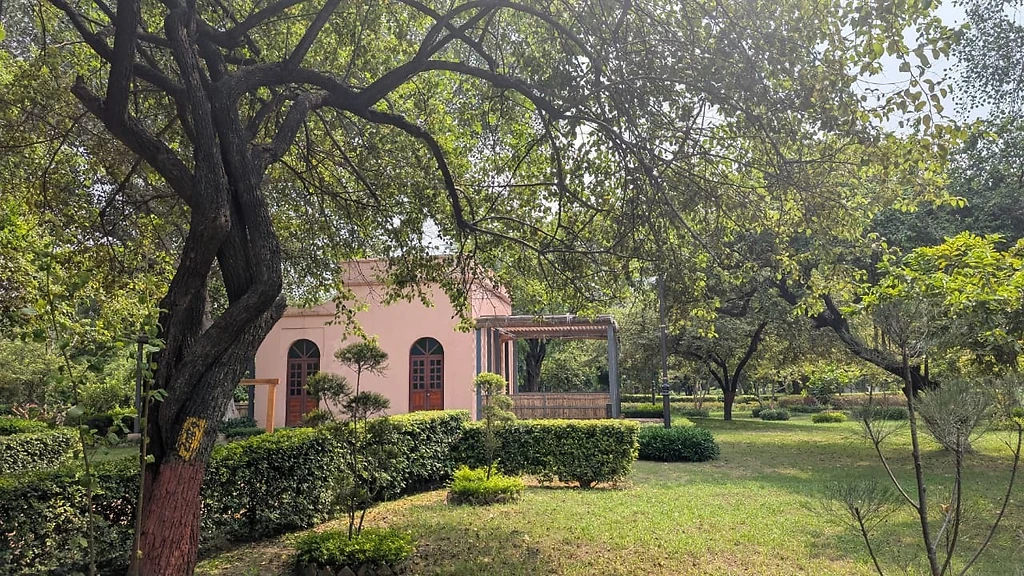
Roshanara Garden feels like a hidden retreat tucked away in the bustle of North Delhi. Built by Roshanara Begum, daughter of Shah Jahan, it carries the aura of Mughal elegance but without the crowds of more famous sites. Its shaded pathways, old M...
ughal structures, and lotus‑filled ponds create a calm rhythm that appeals to morning walkers and families seeking respite. Unlike Lodhi Gardens or Shalimar Bagh, Roshanara Garden is less manicured and more lived‑in — a place where history quietly coexists with everyday leisure. For visitors, it’s not just a garden but a glimpse into Delhi’s layered past, softened by greenery and community life.
more info
ughal structures, and lotus‑filled ponds create a calm rhythm that appeals to morning walkers and families seeking respite. Unlike Lodhi Gardens or Shalimar Bagh, Roshanara Garden is less manicured and more lived‑in — a place where history quietly coexists with everyday leisure. For visitors, it’s not just a garden but a glimpse into Delhi’s layered past, softened by greenery and community life.
Red Fort
Historic Place, Monument, Park
2.0 hours
$5.33
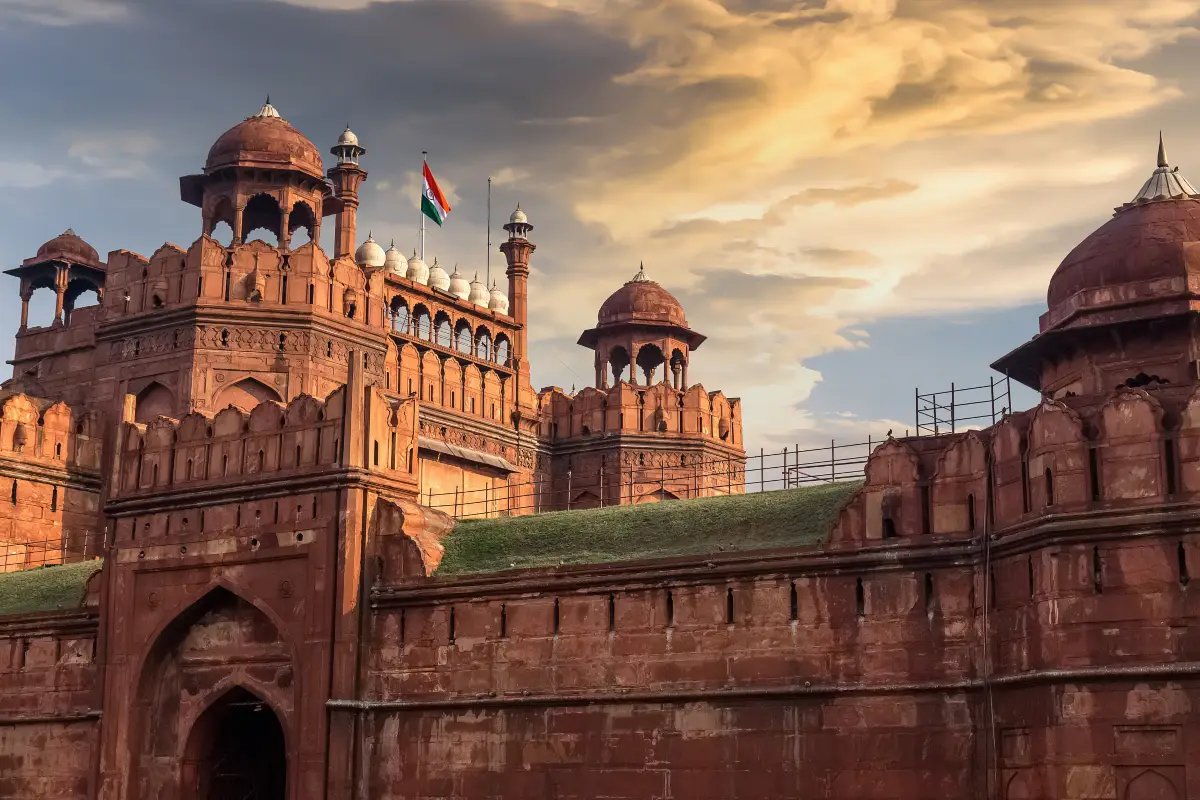
Built by Mughal Emperor Shah Jahan in 1639, The Red Fort (Lal Qila) in Old Delhi is a UNESCO World Heritage Site and one of India’s most iconic monuments. Its role in both Mughal history and modern India makes it a unique blend of past and present...
. (A fee for photos and videos can be taken)
more info
. (A fee for photos and videos can be taken)
Jama Masjid
Historic Place, Religious Sight
2.0 hours
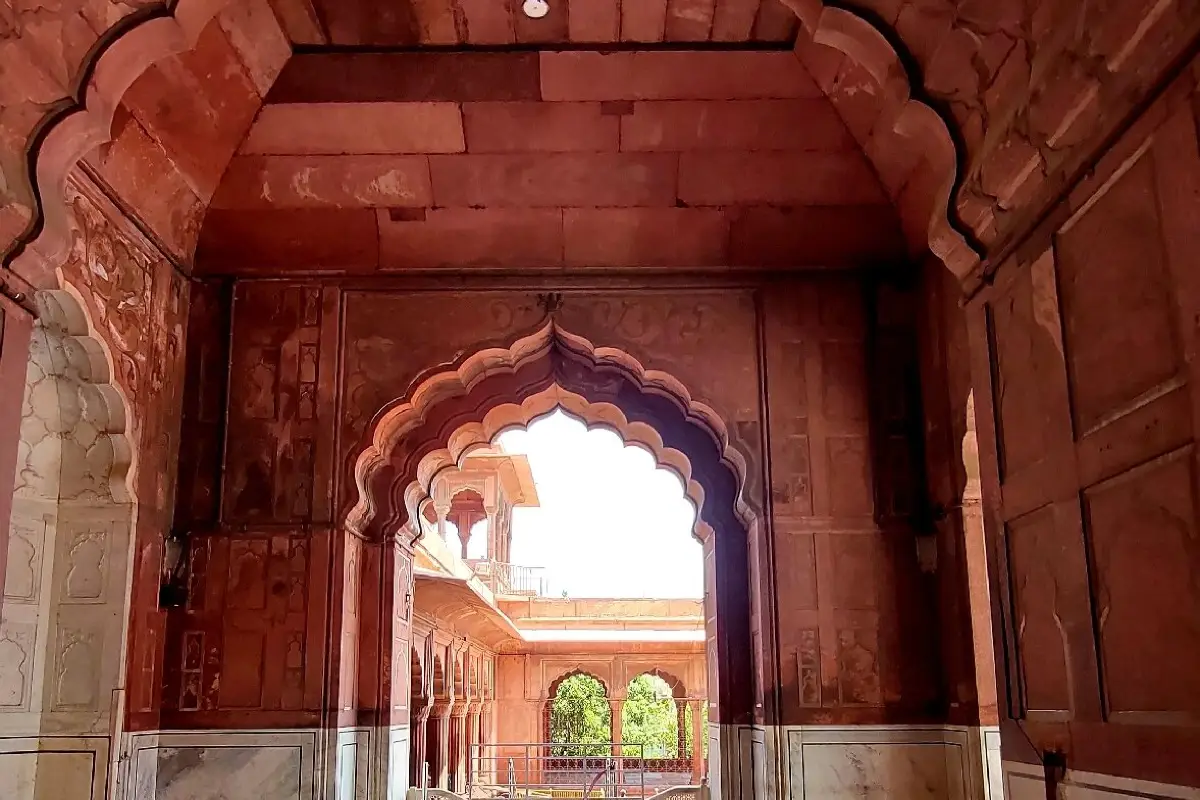
Built by Mughal Emperor Shah Jahan between 1650–1656, Jama Masjid in Old Delhi is India’s largest mosque, accommodating up to 25,000 worshippers and is a masterpiece of Indo-Islamic architecture with red sandstone, marble domes, and towering minar...
ets. It is worth visiting because it is both a spiritual center and a masterpiece of Mughal architecture. {(Daily: 7:00 AM – 12:00 PM, 1:30 PM – 6:30 PM) Closed during prayer times for non-Muslim visitors}
more info
ets. It is worth visiting because it is both a spiritual center and a masterpiece of Mughal architecture. {(Daily: 7:00 AM – 12:00 PM, 1:30 PM – 6:30 PM) Closed during prayer times for non-Muslim visitors}
Chandni Chowk Market
Market
4.0 hours
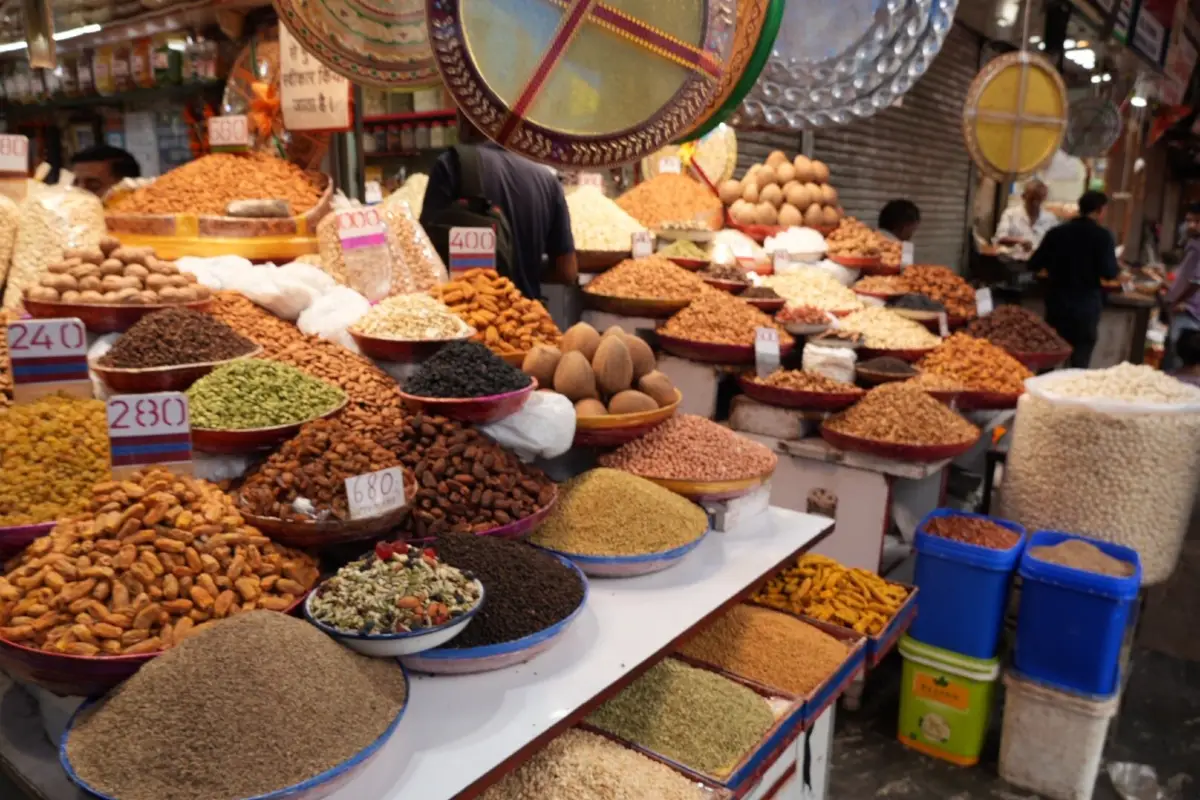
Chandni Chowk Market, the beating heart of Old Delhi, is a kaleidoscope of colors, scents, and sounds. At dawn, its narrow lanes awaken with the aroma of sizzling parathas and brewing chai, while by midday, the streets pulse with the bustle of ric...
kshaws, shoppers, and merchants calling out their wares. As evening falls, strings of lights shimmer above stalls brimming with silks, spices, and jewelry, turning the market into a dazzling labyrinth of treasures. More than a marketplace, Chandni Chowk is a living tapestry of history and culture, where Mughal grandeur meets everyday life, and every corner tells a story of Delhi’s timeless spirit.
more info
kshaws, shoppers, and merchants calling out their wares. As evening falls, strings of lights shimmer above stalls brimming with silks, spices, and jewelry, turning the market into a dazzling labyrinth of treasures. More than a marketplace, Chandni Chowk is a living tapestry of history and culture, where Mughal grandeur meets everyday life, and every corner tells a story of Delhi’s timeless spirit.
Day 2
Qutb Minar
Historic Place, Monument
2.0 hours
$7.0
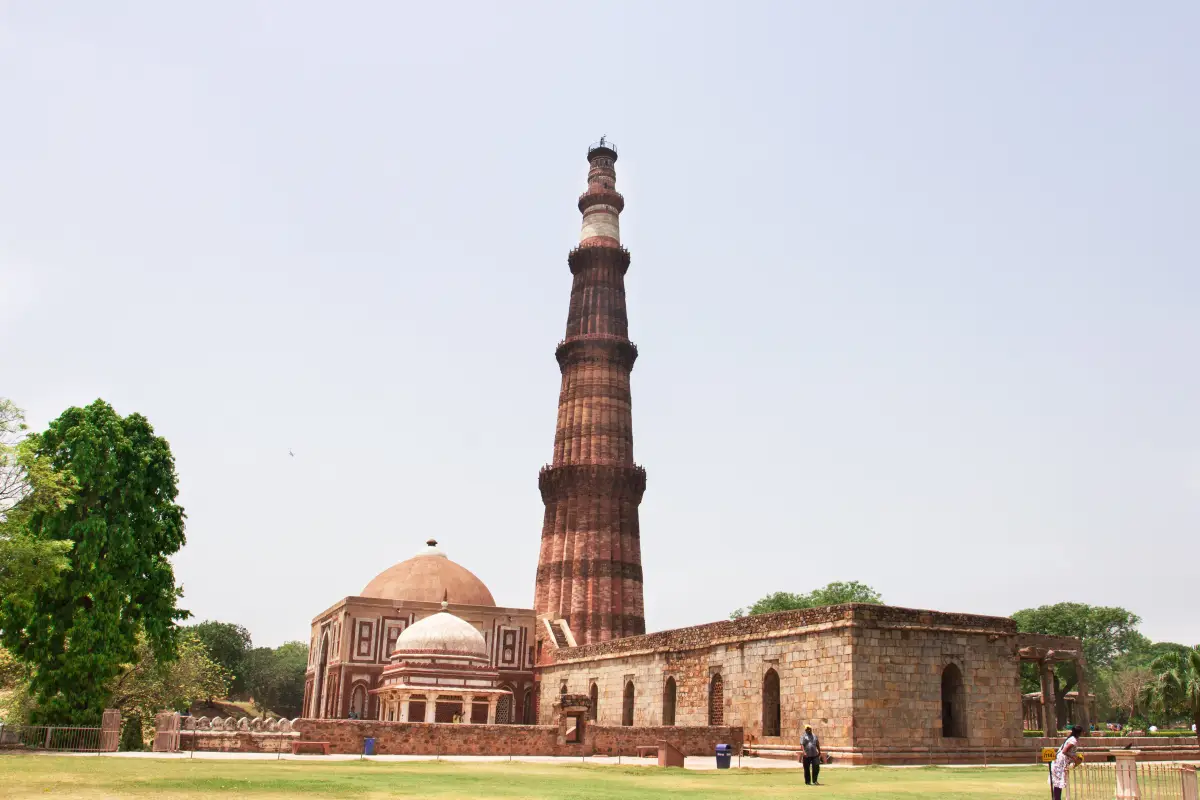
Built in the early 13th century by Qutb-ud-din Aibak and completed by Iltutmish, Qutb Minar in New Delhi is a UNESCO World Heritage Site, standing 72.5 meters tall and is one of Delhi’s most visited monuments, famous for its Indo-Islamic architect...
ure and historical significance. (A fee for photos and videos can be taken)
more info
ure and historical significance. (A fee for photos and videos can be taken)
Register Suggestion
Action

Trip plan customization, personalized recommendations, special filters Moods and even more is available for registered users.
Iron Pillar
Monument

1.0 hours
$6.0
The Iron Pillar feels like Delhi’s most enigmatic relic. Rising 7.2 meters in the courtyard of the Quwwat‑ul‑Islam Mosque, its dark metal surface has resisted rust for over 1,600 years. Scholars marvel at its Sanskrit inscriptions, which speak of ...
Chandragupta II’s reign, while visitors are drawn to its quiet defiance of time and science. Unlike the towering Qutub Minar beside it, the pillar’s power lies in subtlety — a slender column that has become a global symbol of ancient metallurgical genius. Standing before it, you sense both mystery and mastery: a monument that whispers of India’s scientific heritage as much as its spiritual past.
more info
Chandragupta II’s reign, while visitors are drawn to its quiet defiance of time and science. Unlike the towering Qutub Minar beside it, the pillar’s power lies in subtlety — a slender column that has become a global symbol of ancient metallurgical genius. Standing before it, you sense both mystery and mastery: a monument that whispers of India’s scientific heritage as much as its spiritual past.
Mehrauli Archaeological Park
Historic Place, Park
2.0 hours
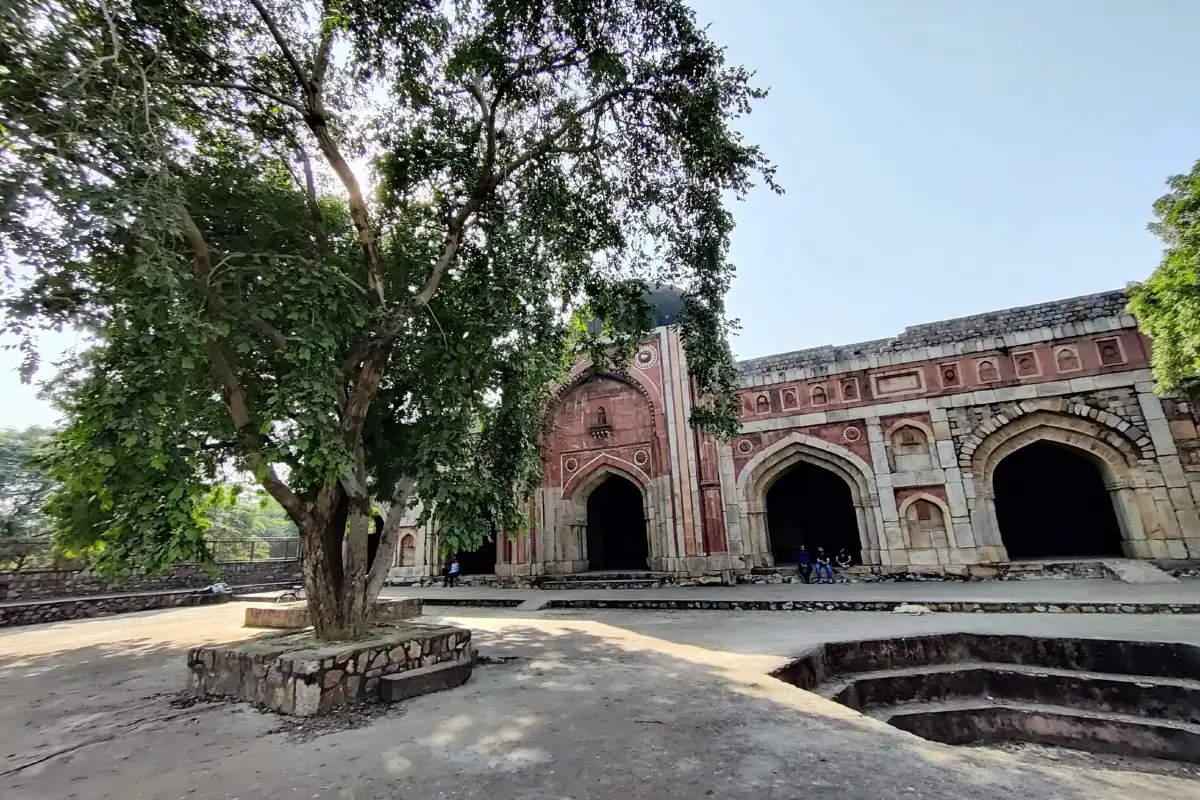
Imagine owning Delhi’s oldest fort and its surrounding ruins: the Lal Kot walls built by the Tomar Rajputs, the elegant Jamali Kamali mosque and tomb, Balban’s tomb with its early Islamic arches, and stepwells that whisper centuries of stories. Fa...
milies can wander shaded paths, children can explore hidden courtyards, and history enthusiasts find endless layers of dynasties — Tuglaq, Lodi, Mughal, and British — all in one place. It feels like a personal time capsule, where every stone belongs to you.
more info
milies can wander shaded paths, children can explore hidden courtyards, and history enthusiasts find endless layers of dynasties — Tuglaq, Lodi, Mughal, and British — all in one place. It feels like a personal time capsule, where every stone belongs to you.
Mehrauli
Neighborhood, Photospot
2.0 hours
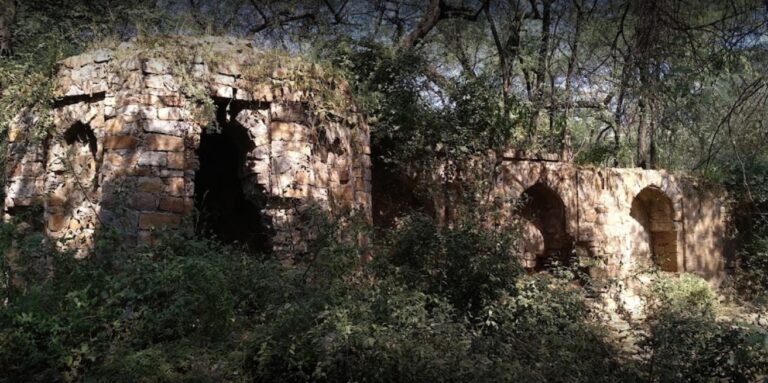
Mehrauli is not just a neighborhood; it is Delhi’s oldest continuously inhabited area, where layers of history overlap like pages in a palimpsest. Walking through Mehrauli feels like stepping into a living museum — the Qutub Minar rises as a senti...
nel of the Sultanate era, while scattered tombs, stepwells, and ruined palaces whisper stories of dynasties long gone. Unlike the polished grandeur of New Delhi, Mehrauli’s charm lies in its raw authenticity: narrow lanes lined with Mughal-era havelis, bustling bazaars, and sudden glimpses of centuries-old stonework tucked behind modern houses. It is a place where faith, folklore, and daily life coexist — from the Sufi shrines that draw pilgrims to the Mehrauli Archaeological Park that attracts history enthusiasts.
more info
nel of the Sultanate era, while scattered tombs, stepwells, and ruined palaces whisper stories of dynasties long gone. Unlike the polished grandeur of New Delhi, Mehrauli’s charm lies in its raw authenticity: narrow lanes lined with Mughal-era havelis, bustling bazaars, and sudden glimpses of centuries-old stonework tucked behind modern houses. It is a place where faith, folklore, and daily life coexist — from the Sufi shrines that draw pilgrims to the Mehrauli Archaeological Park that attracts history enthusiasts.
Day 3
Purana Quila
Historic Place, Monument
1.0 hours
$5.0
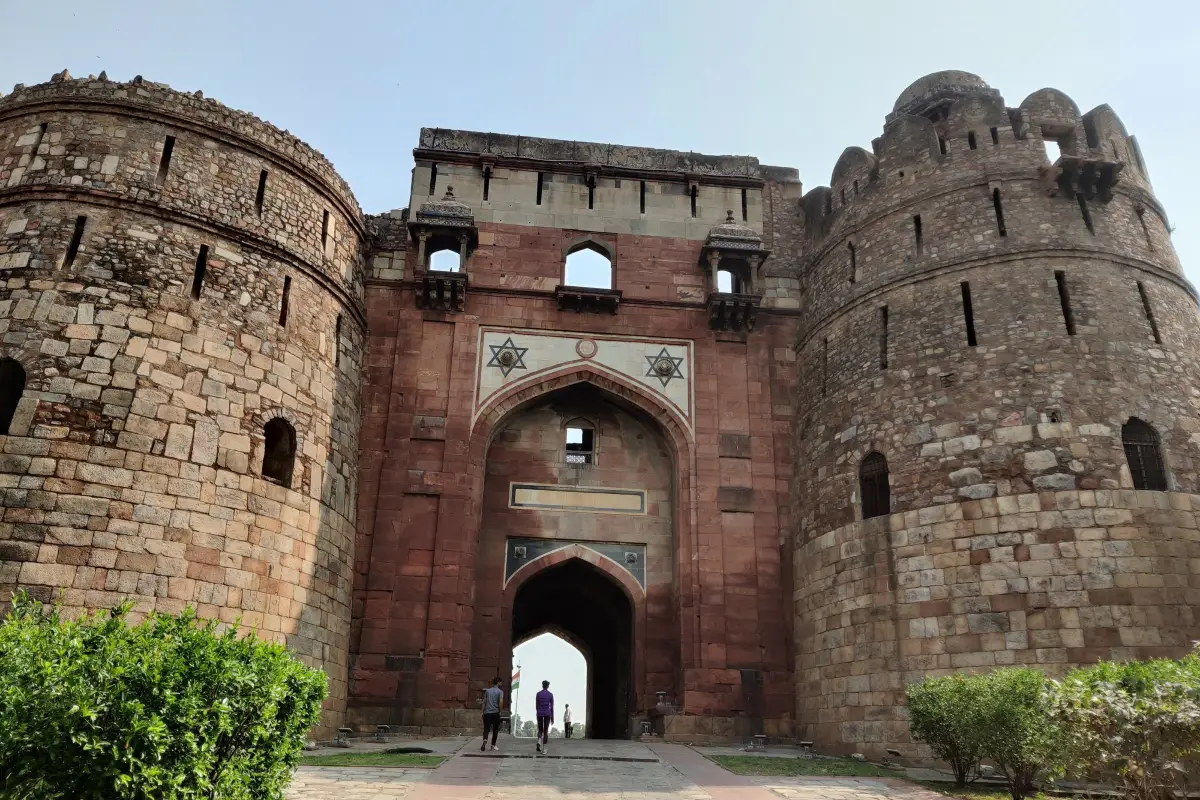
Built between 1533 and 1540 by Mughal emperor Humayun and later strengthened by Sher Shah Suri, Purana Qila (Old Fort) in New Delhi is one of the city’s most atmospheric and historically significant monuments. Its expansive lawns and quiet pathway...
s make it a serene escape from Delhi’s bustle, while evening sound‑and‑light shows narrate the city’s layered history.
more info
s make it a serene escape from Delhi’s bustle, while evening sound‑and‑light shows narrate the city’s layered history.
Sunder Nursery
Park, Reserve/Zoo

2.0 hours
$3.0
Sunder Nursery is Delhi’s ecological jewel — a place where Mughal monuments, themed gardens, and biodiversity zones coexist. Once a government plant nursery, it has been transformed into a vibrant landscape with six UNESCO‑listed tombs, ornamental...
lakes, butterfly habitats, and over 300 species of trees. Walking through the Lotus Garden, Azim Bagh, and Flower Valley, you feel both the grandeur of Mughal heritage and the freshness of a modern ecological park. It is serene yet alive, making it ideal for families, photographers, and heritage explorers.
more info
lakes, butterfly habitats, and over 300 species of trees. Walking through the Lotus Garden, Azim Bagh, and Flower Valley, you feel both the grandeur of Mughal heritage and the freshness of a modern ecological park. It is serene yet alive, making it ideal for families, photographers, and heritage explorers.
Humayun’s Tomb
Historic Place, Monument
2.0 hours
$7.0
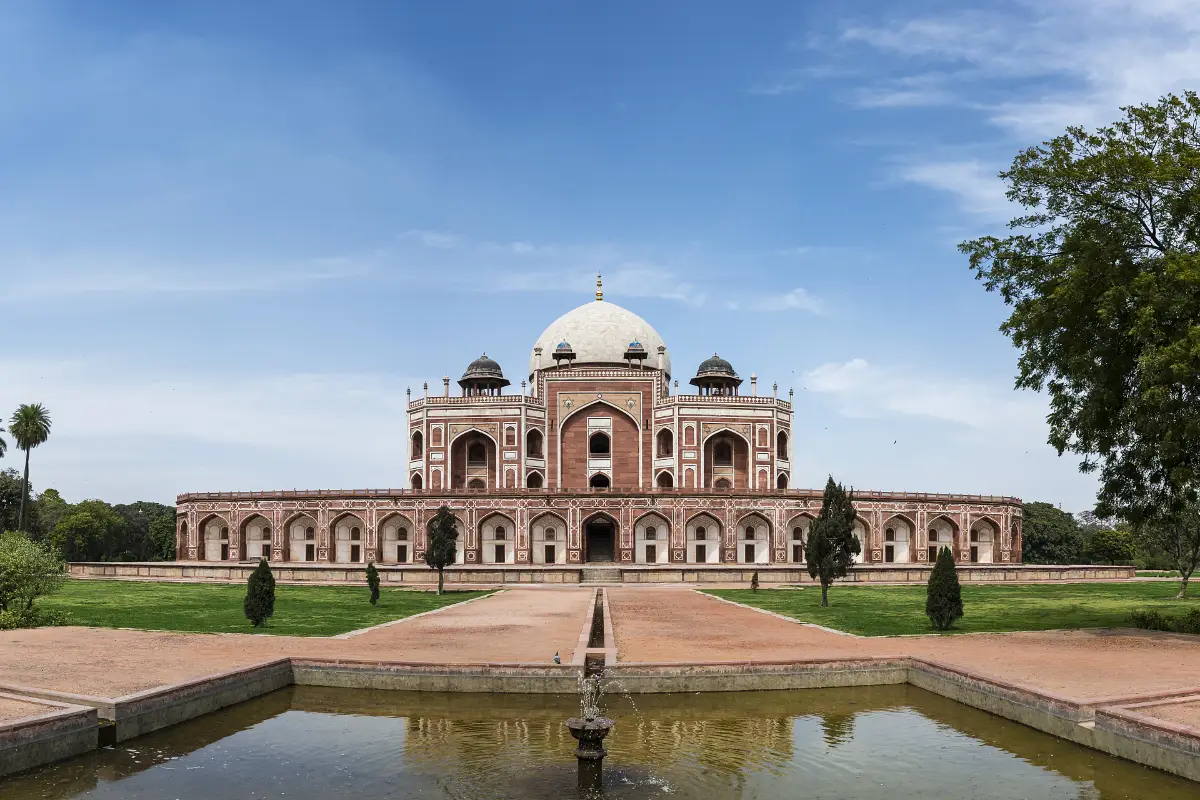
Often called the “precursor to the Taj Mahal” because of its pioneering garden-tomb design, Humayun’s Tomb is one of Delhi’s most iconic Mughal monuments, built in 1565 by Empress Bega Begum (Humayun’s widow). It was the first grand Mughal tomb in...
India and set the template for later masterpieces. Visiting it offers both a historical journey and a peaceful retreat in the heart of Delhi. (A small fee can be taken for video.)
more info
India and set the template for later masterpieces. Visiting it offers both a historical journey and a peaceful retreat in the heart of Delhi. (A small fee can be taken for video.)
Hazrat Nizamuddin Dargah Baoli
Religious Sight

2.0 hours
The Baoli at Hazrat Nizamuddin Dargah feels like a hidden heartbeat beneath Delhi’s chaos. Its stone steps descend into cool silence, where water shimmers with centuries of faith and legend. Pilgrims pause at the edge, believing the spring carries...
healing power, while the surrounding dargah hums with qawwalis and prayers. The baoli is not just architecture — it is a living memory of devotion, resilience, and community, a place where history and spirituality flow together like the water it holds.
more info
healing power, while the surrounding dargah hums with qawwalis and prayers. The baoli is not just architecture — it is a living memory of devotion, resilience, and community, a place where history and spirituality flow together like the water it holds.
Day 4
Amrit Udyan
Fountain, Park
2.0 hours
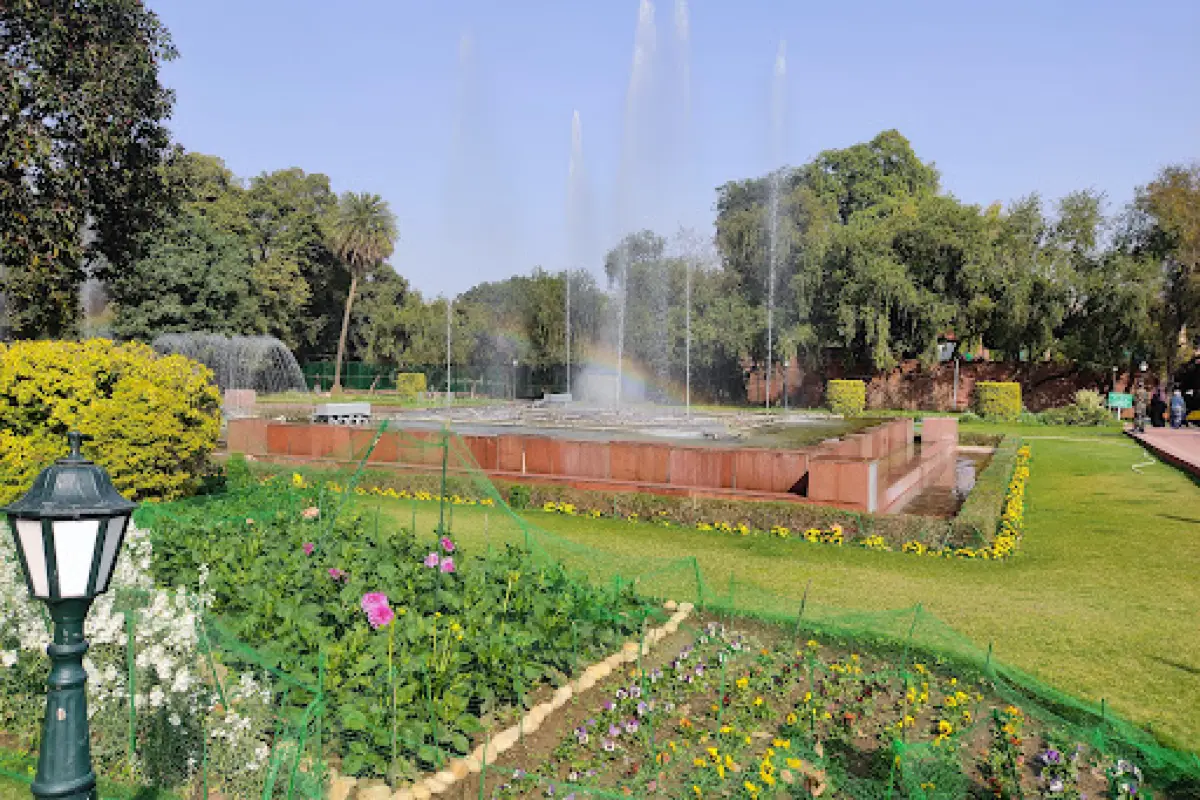
Nestled inside the Rashtrapati Bhavan estate, Amrit Udyan is a sprawling 15-acre garden that blends Mughal, English, and Indian landscaping traditions. Originally designed in 1929 by Sir Edwin Lutyens, the gardens feature lush lawns, fountains, an...
d flowerbeds that burst into color during spring. Recent additions include the Herbal Garden, Bonsai Garden, Tactile Garden, and Arogya Vanam, alongside the new Babbling Brook with sculptural spouts and reflective pools. Families will especially enjoy Bal Vatika, a children’s garden with a 225-year-old Sheesham tree, treehouse, and nature classroom. It’s a serene escape offering both heritage and horticultural marvels. (Seasonal opening: Feb–March). (Free of charge, but online booking is mandatory via Rashtrapati Bhavan’s official website.)
more info
d flowerbeds that burst into color during spring. Recent additions include the Herbal Garden, Bonsai Garden, Tactile Garden, and Arogya Vanam, alongside the new Babbling Brook with sculptural spouts and reflective pools. Families will especially enjoy Bal Vatika, a children’s garden with a 225-year-old Sheesham tree, treehouse, and nature classroom. It’s a serene escape offering both heritage and horticultural marvels. (Seasonal opening: Feb–March). (Free of charge, but online booking is mandatory via Rashtrapati Bhavan’s official website.)
Rashtrapati Bhavan
Historic Place, Monument
2.0 hours
$1.0
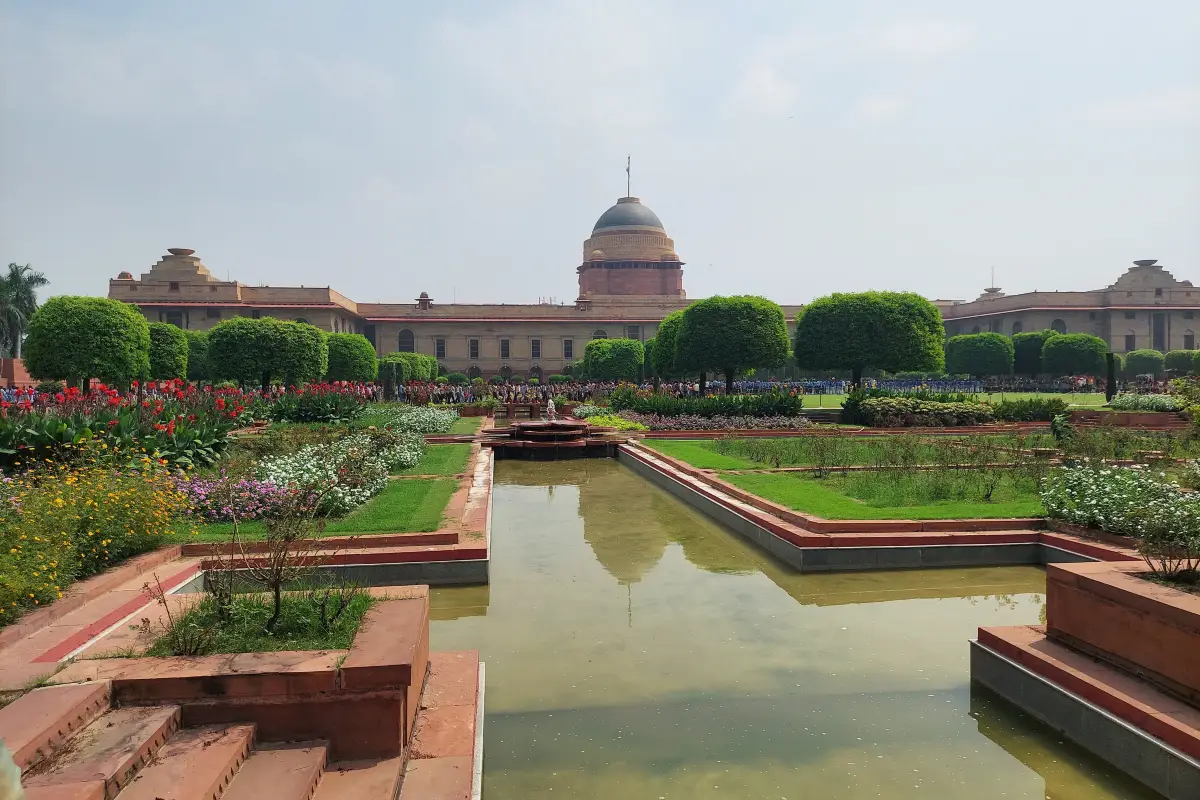
Perched atop Raisina Hill, Rashtrapati Bhavan is more than a presidential residence, it’s a living monument to India’s history and architectural grandeur. Designed by Sir Edwin Lutyens in 1929, its sweeping dome, colonnades, and Mughal-inspired ga...
rdens blend imperial ambition with Indian artistry. Walking through its vast courtyards and manicured lawns, visitors sense both the weight of governance and the elegance of tradition. The Amrit Udyan (formerly Mughal Gardens) bursts into seasonal bloom, while the museum circuits reveal treasures of India’s democratic journey. It’s a place where power, heritage, and beauty converge.
more info
rdens blend imperial ambition with Indian artistry. Walking through its vast courtyards and manicured lawns, visitors sense both the weight of governance and the elegance of tradition. The Amrit Udyan (formerly Mughal Gardens) bursts into seasonal bloom, while the museum circuits reveal treasures of India’s democratic journey. It’s a place where power, heritage, and beauty converge.
Kartavya Path
Historic Place

2.0 hours
Kartavya Path is Delhi’s ceremonial spine, stretching from Rashtrapati Bhavan to India Gate. Walking here feels like stepping onto a stage where history and everyday life perform side by side. The lawns invite families, the granite walkways echo w...
ith parades, and the monumental axis ties together grandeur and intimacy. It is both boulevard and memory lane — a place where civic duty, leisure, and national pride converge under open skies.
more info
ith parades, and the monumental axis ties together grandeur and intimacy. It is both boulevard and memory lane — a place where civic duty, leisure, and national pride converge under open skies.
India Gate
Historic Place, Monument
1.0 hours
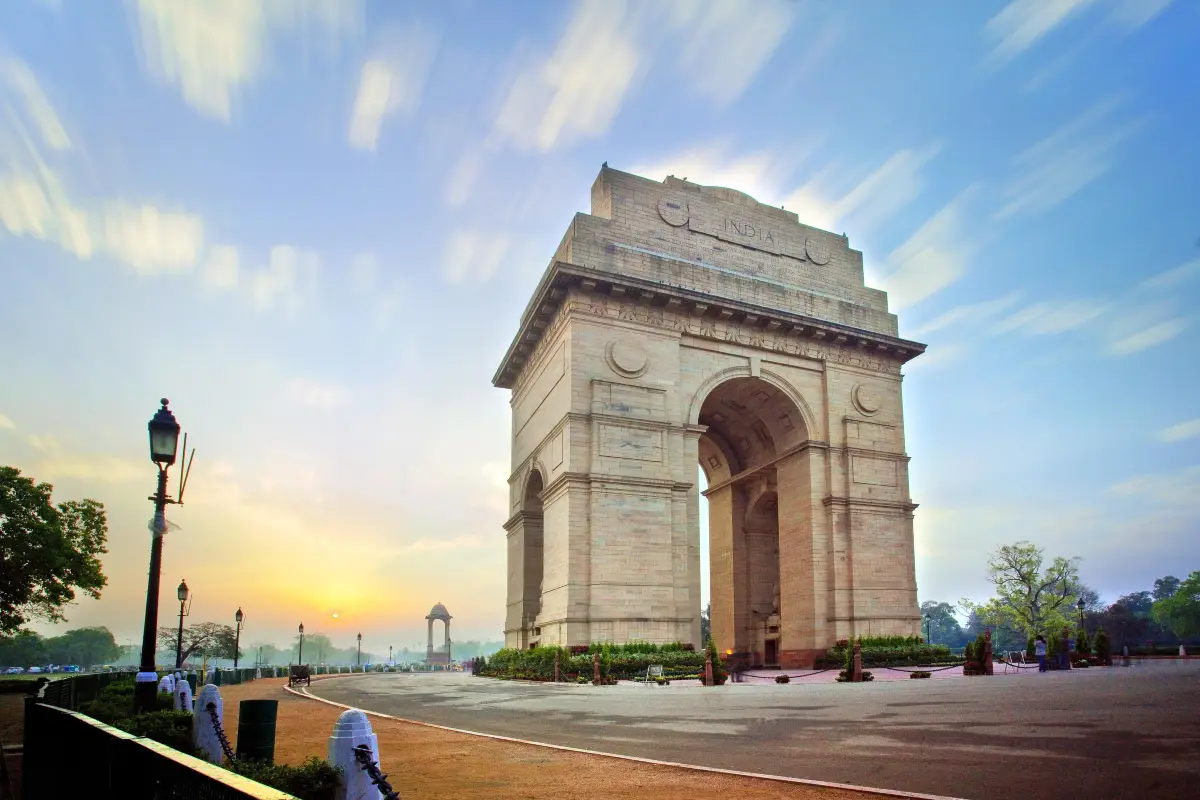
Built in 1931 to honor over 74,000 soldiers of the Indian Army who died during World War I and the Third Anglo-Afghan War, India Gate in New Delhi is a 42-meter-high war memorial surrounded by lively gardens, making it a cultural, historical, and ...
family-friendly destination.
more info
family-friendly destination.
Day 5
Maqbara‑e‑Paik
Historic Place

2.0 hours
Tucked behind the roaring flyovers of Mukarba Chowk, Maqbara‑e‑Paik feels like a secret whisper from the Lodi era. Its octagonal plan and perforated walls let in slivers of sunlight, creating a quiet rhythm of shadow and stone. Once forgotten and ...
nearly swallowed by Delhi’s concrete sprawl, the tomb now stands restored — a solitary messenger’s resting place, resilient against time and traffic. It is less a tourist stop than a hidden relic, rewarding those who seek Delhi’s overlooked corners with a sense of discovery.
more info
nearly swallowed by Delhi’s concrete sprawl, the tomb now stands restored — a solitary messenger’s resting place, resilient against time and traffic. It is less a tourist stop than a hidden relic, rewarding those who seek Delhi’s overlooked corners with a sense of discovery.
Shalimar Bagh, Srinagar
Historic Place
2.0 hours
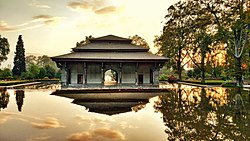
Shalimar Bagh feels like Delhi’s forgotten royal retreat. Once a jewel of Mughal leisure, where emperors picnicked and Aurangzeb claimed his throne, it now whispers history through crumbling arches and faded fountains. The Sheesh Mahal pavilion, w...
ith its traces of grandeur, stands as a silent witness to centuries of power shifts — from Mughal coronations to British summer lodges. Walking here, you sense both majesty and melancholy: a garden that remembers glory but lives in quiet decay.
more info
ith its traces of grandeur, stands as a silent witness to centuries of power shifts — from Mughal coronations to British summer lodges. Walking here, you sense both majesty and melancholy: a garden that remembers glory but lives in quiet decay.
Nirankari Sarovar Delhi
Fountain, Park, Religious Sight
2.0 hours
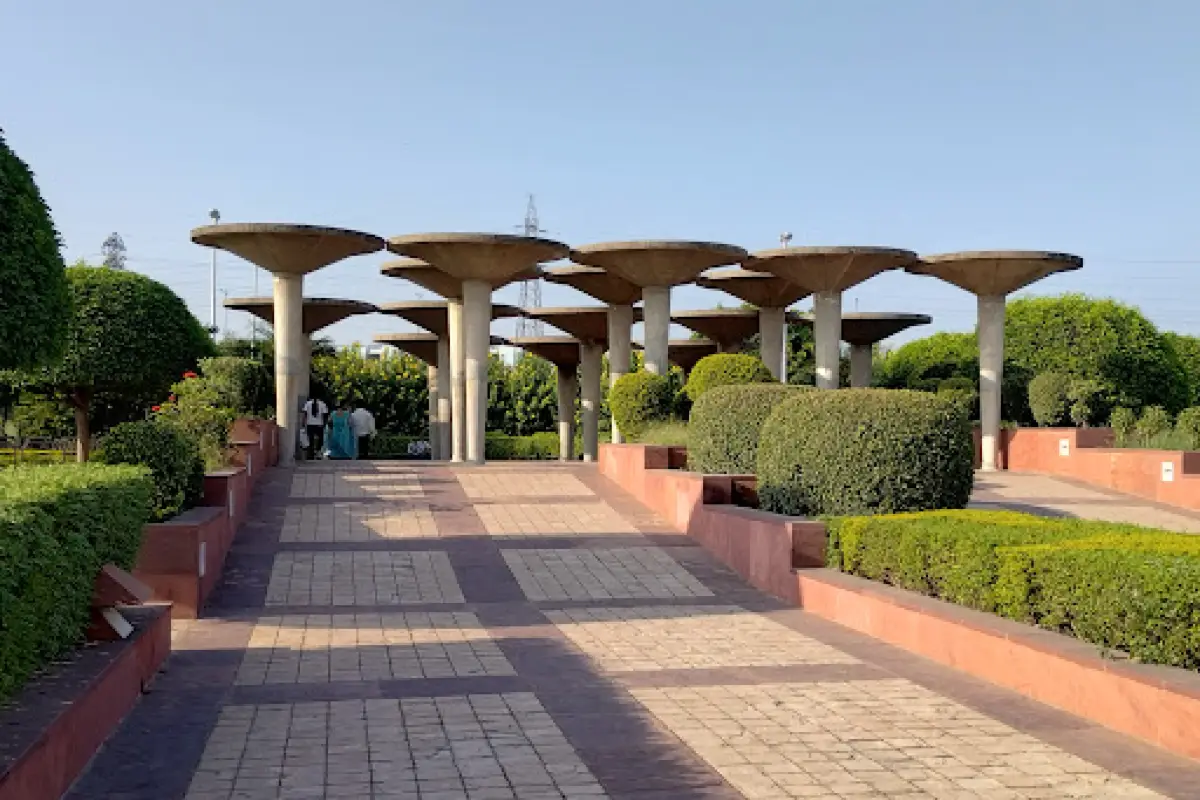
Nirankari Sarovar is less a monument and more a mirror of calm in North Delhi. The lake glimmers like a silver sheet, framed by landscaped gardens and pathways that invite both reflection and community. It is the spiritual heart of the Sant Nirank...
ari Mission, but its appeal stretches beyond devotion — families stroll along shaded avenues, children play in open lawns, and visitors pause at the fountains that symbolize unity. Unlike Delhi’s historic forts or ornate temples, Nirankari Sarovar thrives on simplicity and inclusiveness, offering a space where silence feels sacred and togetherness feels natural.
more info
ari Mission, but its appeal stretches beyond devotion — families stroll along shaded avenues, children play in open lawns, and visitors pause at the fountains that symbolize unity. Unlike Delhi’s historic forts or ornate temples, Nirankari Sarovar thrives on simplicity and inclusiveness, offering a space where silence feels sacred and togetherness feels natural.
Coronation Park
Monument, Park

2.0 hours
Coronation Park is not just a green escape but a living reminder of Delhi’s colonial past. Established for the grand Delhi Durbar of 1911, it was the stage where King George V was proclaimed Emperor of India. Today, the park’s wide lawns and scatt...
ered statues evoke a sense of faded imperial grandeur, contrasting with the everyday life of locals who use it for leisure. Unlike other Delhi parks, its appeal lies in its layered history — a place where political spectacle once unfolded, now reclaimed as a quiet retreat for families and visitors seeking both open space and echoes of history.
more info
ered statues evoke a sense of faded imperial grandeur, contrasting with the everyday life of locals who use it for leisure. Unlike other Delhi parks, its appeal lies in its layered history — a place where political spectacle once unfolded, now reclaimed as a quiet retreat for families and visitors seeking both open space and echoes of history.
Day 6
Safdarjung Tomb
Historic Place, Monument, Park
2.0 hours
$4.0
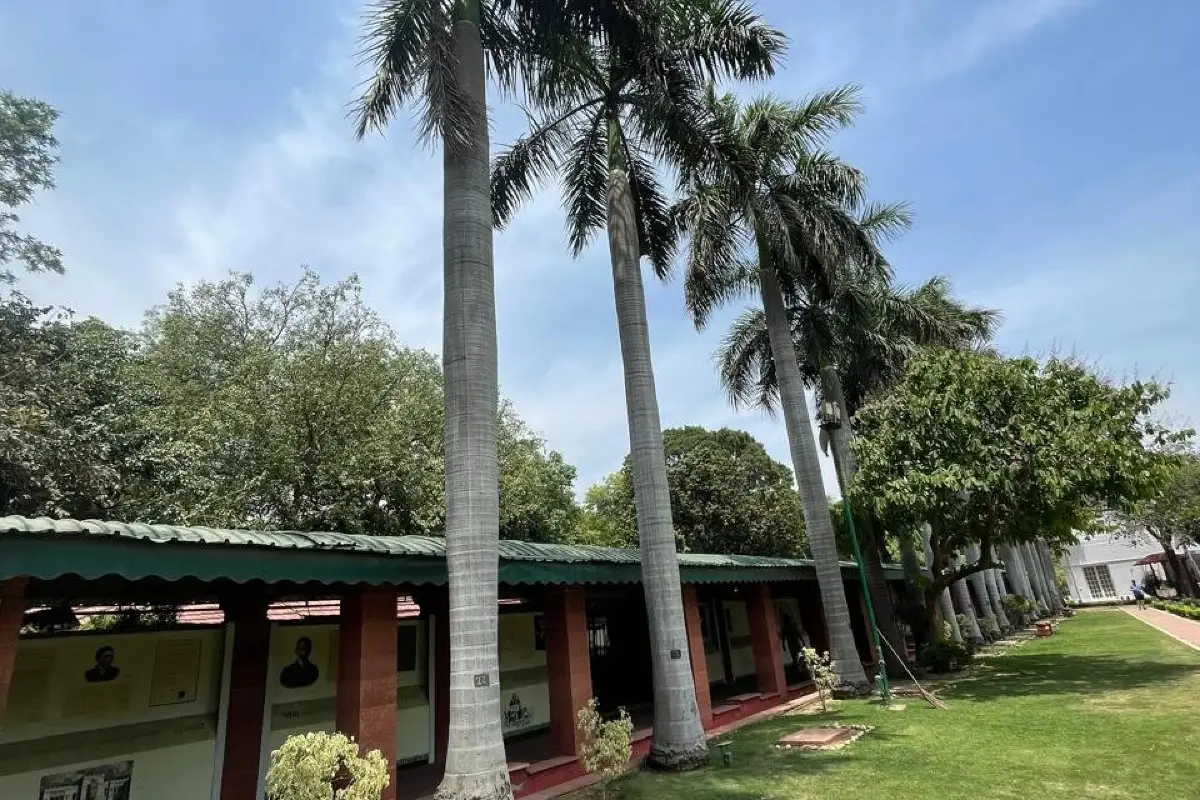
Safdarjung Tomb, built in 1753–54 by Nawab Shuja‑ud‑Daulah for his father Safdarjung (the viceroy of Awadh under Mughal Emperor Mohammed Shah), is considered the last monumental garden tomb of the Mughals. Its design follows the tradition of Humay...
un’s Tomb but on a smaller scale. The mausoleum is constructed with red sandstone and marble, featuring a large central dome, arched entrances, and symmetrical Mughal gardens.
more info
un’s Tomb but on a smaller scale. The mausoleum is constructed with red sandstone and marble, featuring a large central dome, arched entrances, and symmetrical Mughal gardens.
Lodhi Garden
Park
2.0 hours
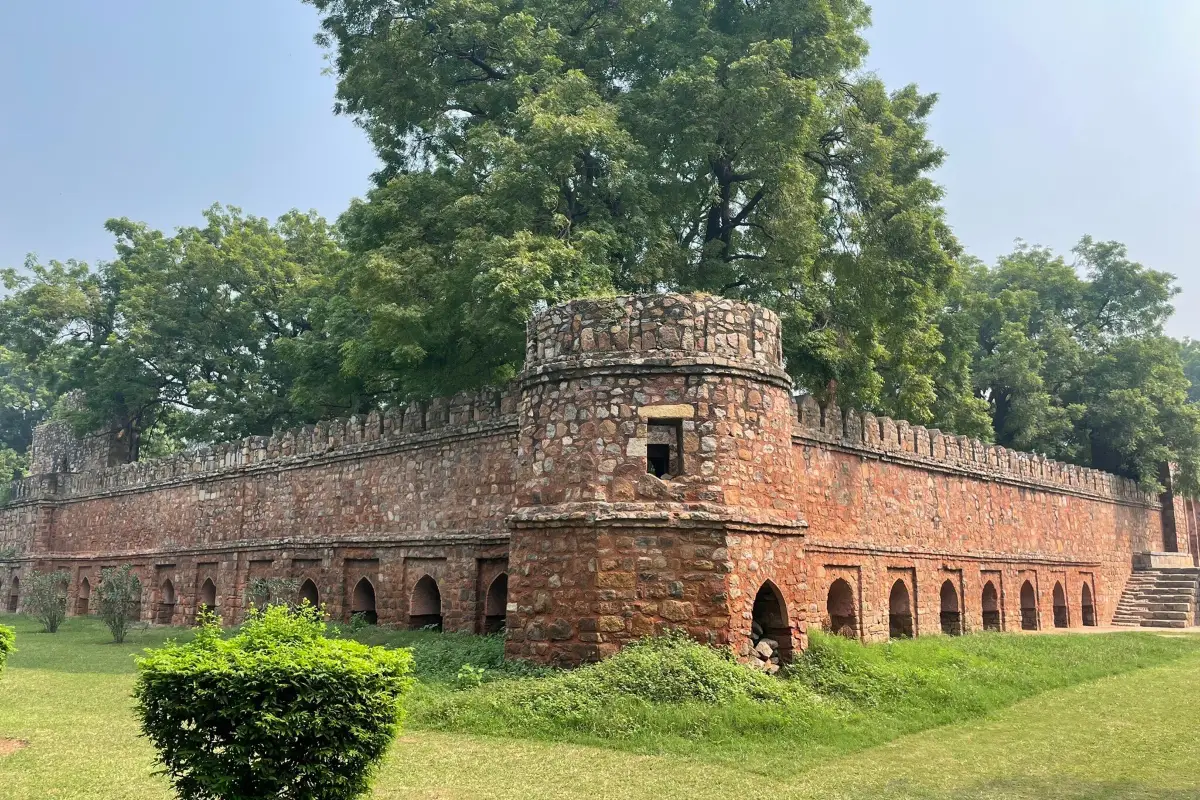
Featuring 90 acres of greenery and 15th–16th century tombs, Lodhi Garden in New Delhi is one of the most popular spots for morning walks, picnics, and family outings, ideal for combining relaxation with history.
1/1
To customize the circuit, you need an account.
