Old and New Delhi
10 days long
Advised budget $890
(2 persons, 3-star hotel, mid-range restaurants)
(2 persons, 3-star hotel, mid-range restaurants)
India
-
Delhi
City Walk - 75%
Culture and Art - 18%
Nature - 6%
Other - 1%
Culture and Art - 18%
Nature - 6%
Other - 1%
Day 1
Sikandar Lodhi Tomb
Historic Place
2.0 hours
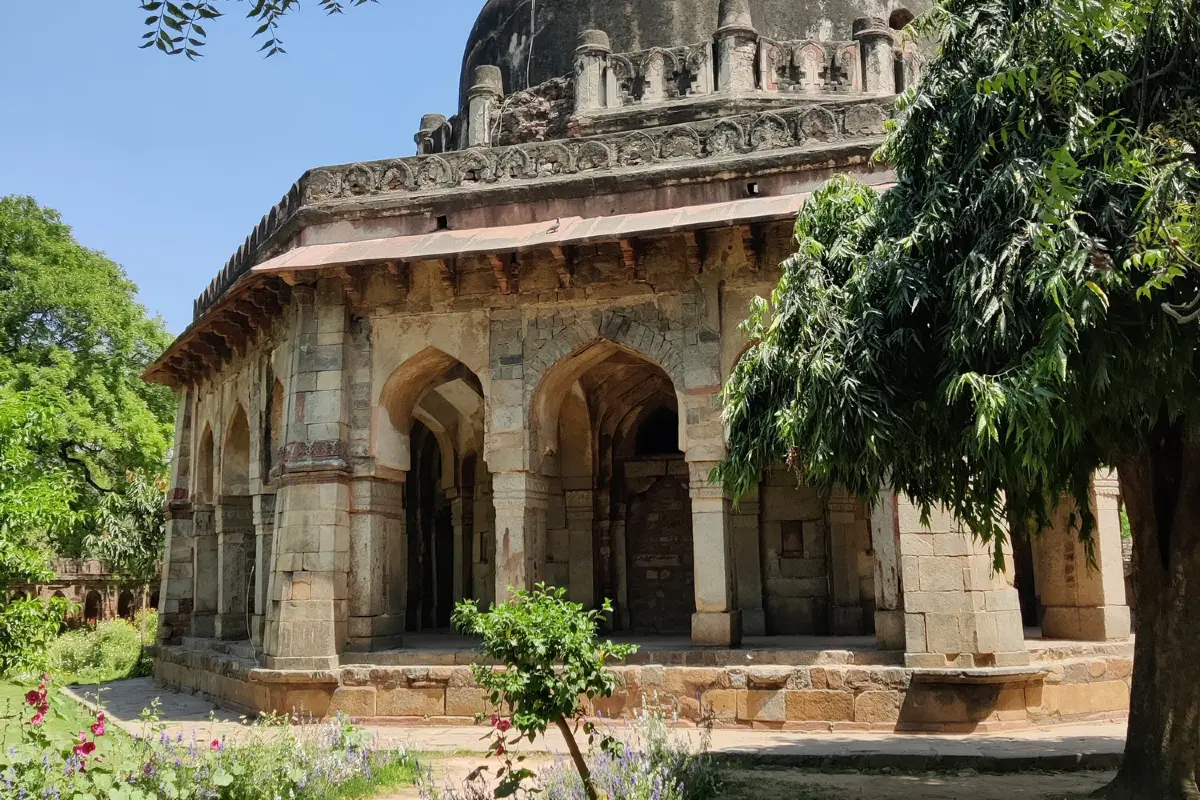
Sikandar Lodhi’s Tomb is not just a burial site but a quiet architectural statement of the Lodi dynasty. Built in 1517, it is the first garden tomb in India, predating Humayun’s Tomb and setting the stage for Mughal funerary architecture. The tomb...
sits within a square enclosure, its walls punctuated by arched gateways and decorated with glazed tiles in blue and turquoise — rare remnants of early Indo-Islamic artistry. Inside, the central chamber resonates with simplicity, reflecting the austere character of Sultan Sikandar Lodhi. Unlike the grandeur of later Mughal monuments, this tomb feels contemplative, almost understated, yet profoundly significant as a bridge between Delhi’s Sultanate past and Mughal future.
more info
sits within a square enclosure, its walls punctuated by arched gateways and decorated with glazed tiles in blue and turquoise — rare remnants of early Indo-Islamic artistry. Inside, the central chamber resonates with simplicity, reflecting the austere character of Sultan Sikandar Lodhi. Unlike the grandeur of later Mughal monuments, this tomb feels contemplative, almost understated, yet profoundly significant as a bridge between Delhi’s Sultanate past and Mughal future.
Humayun’s Tomb
Historic Place, Monument
2.0 hours
$7.0
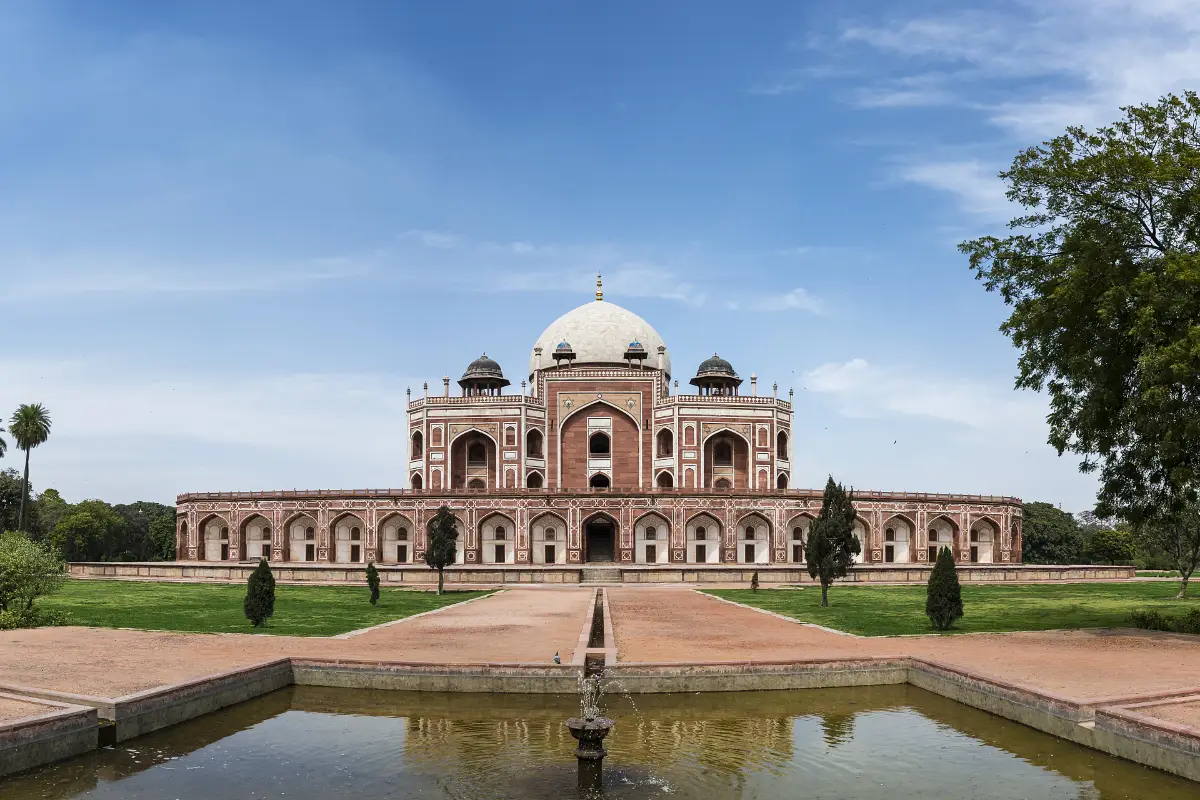
Often called the “precursor to the Taj Mahal” because of its pioneering garden-tomb design, Humayun’s Tomb is one of Delhi’s most iconic Mughal monuments, built in 1565 by Empress Bega Begum (Humayun’s widow). It was the first grand Mughal tomb in...
India and set the template for later masterpieces. Visiting it offers both a historical journey and a peaceful retreat in the heart of Delhi. (A small fee can be taken for video.)
more info
India and set the template for later masterpieces. Visiting it offers both a historical journey and a peaceful retreat in the heart of Delhi. (A small fee can be taken for video.)
Isa Khan's Tomb, Delhi
Historic Place

2.0 hours
Isa Khan’s Tomb feels like a quiet prelude to the grandeur of Humayun’s Tomb. Built in 1547–48 during Isa Khan Niazi’s lifetime, it is strikingly octagonal, with arched verandahs, lattice screens, and traces of blue‑green glazed tiles that shimmer...
in the sunlight. Unlike the symmetry of later Mughal monuments, this tomb carries a raw, transitional beauty — a blend of Afghan and early Indo‑Islamic styles. The surrounding sunken garden, one of the earliest of its kind, set the precedent for later masterpieces like Akbar’s tomb at Sikandra and the Taj Mahal. Across the courtyard, Isa Khan’s Mosque adds intimacy to the complex, making the site feel like a lived‑in spiritual enclave rather than a solitary monument.
more info
in the sunlight. Unlike the symmetry of later Mughal monuments, this tomb carries a raw, transitional beauty — a blend of Afghan and early Indo‑Islamic styles. The surrounding sunken garden, one of the earliest of its kind, set the precedent for later masterpieces like Akbar’s tomb at Sikandra and the Taj Mahal. Across the courtyard, Isa Khan’s Mosque adds intimacy to the complex, making the site feel like a lived‑in spiritual enclave rather than a solitary monument.
Hazrat Nizamuddin Dargah Baoli
Religious Sight

2.0 hours
The Baoli at Hazrat Nizamuddin Dargah feels like a hidden heartbeat beneath Delhi’s chaos. Its stone steps descend into cool silence, where water shimmers with centuries of faith and legend. Pilgrims pause at the edge, believing the spring carries...
healing power, while the surrounding dargah hums with qawwalis and prayers. The baoli is not just architecture — it is a living memory of devotion, resilience, and community, a place where history and spirituality flow together like the water it holds.
more info
healing power, while the surrounding dargah hums with qawwalis and prayers. The baoli is not just architecture — it is a living memory of devotion, resilience, and community, a place where history and spirituality flow together like the water it holds.
Day 2
Red Fort
Historic Place, Monument, Park
2.0 hours
$5.33
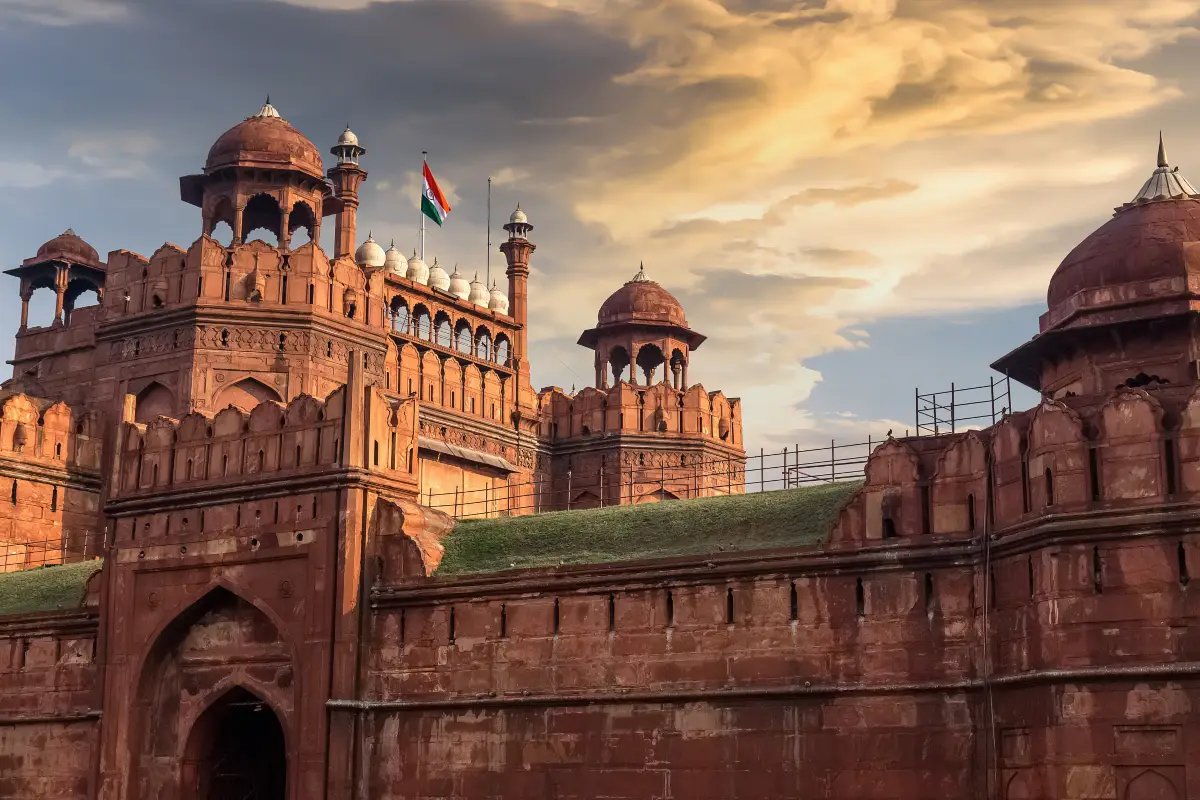
Built by Mughal Emperor Shah Jahan in 1639, The Red Fort (Lal Qila) in Old Delhi is a UNESCO World Heritage Site and one of India’s most iconic monuments. Its role in both Mughal history and modern India makes it a unique blend of past and present...
. (A fee for photos and videos can be taken)
more info
. (A fee for photos and videos can be taken)
Register Suggestion
Action

Trip plan customization, personalized recommendations, special filters Moods and even more is available for registered users.
Shri Gauri Shankar Temple - Chandni Chowk, Delhi
Historic Place, Religious Sight

2.0 hours
Shri Gauri Shankar Temple stands as a spiritual anchor in the bustling lanes of Chandni Chowk. Dedicated to Lord Shiva and Goddess Parvati, the temple houses an 800‑year‑old Lingam, encased in marble and surrounded by silver snakes, symbolizing co...
smic energy. Its sanctum radiates devotion, while the temple’s history traces back to a soldier of the Maratha clan who built it in gratitude after surviving a battle injury. Unlike Delhi’s monumental forts and mosques, this temple offers an intimate, devotional experience — a place where the rhythm of daily worship blends seamlessly with centuries of tradition. (Daily: 5:00 AM – 10:00 AM, 5:00 PM – 10:00 PM)
more info
smic energy. Its sanctum radiates devotion, while the temple’s history traces back to a soldier of the Maratha clan who built it in gratitude after surviving a battle injury. Unlike Delhi’s monumental forts and mosques, this temple offers an intimate, devotional experience — a place where the rhythm of daily worship blends seamlessly with centuries of tradition. (Daily: 5:00 AM – 10:00 AM, 5:00 PM – 10:00 PM)
Jhandewala Devi Mandir, Karol Bagh
Historic Place, Religious Sight

2.0 hours
Dedicated to Maa Aadi Shakti (an avatar of Goddess Durga), Shri Jhandewala Devi Mandir in Karol Bagh is one of Delhi’s oldest and most atmospheric temples. Built during the 18th century, it is known for its serene courtyards, prayer flags (jhandas...
), and idols of Durga, Kali, and Saraswati, making it a significant spiritual landmark in the city. {Opening hours: Morning Darshan: 5:00 AM – 12:00 PM, Evening Darshan: 4:00 PM – 10:00 PM}
more info
), and idols of Durga, Kali, and Saraswati, making it a significant spiritual landmark in the city. {Opening hours: Morning Darshan: 5:00 AM – 12:00 PM, Evening Darshan: 4:00 PM – 10:00 PM}
Jama Masjid
Historic Place, Religious Sight
2.0 hours
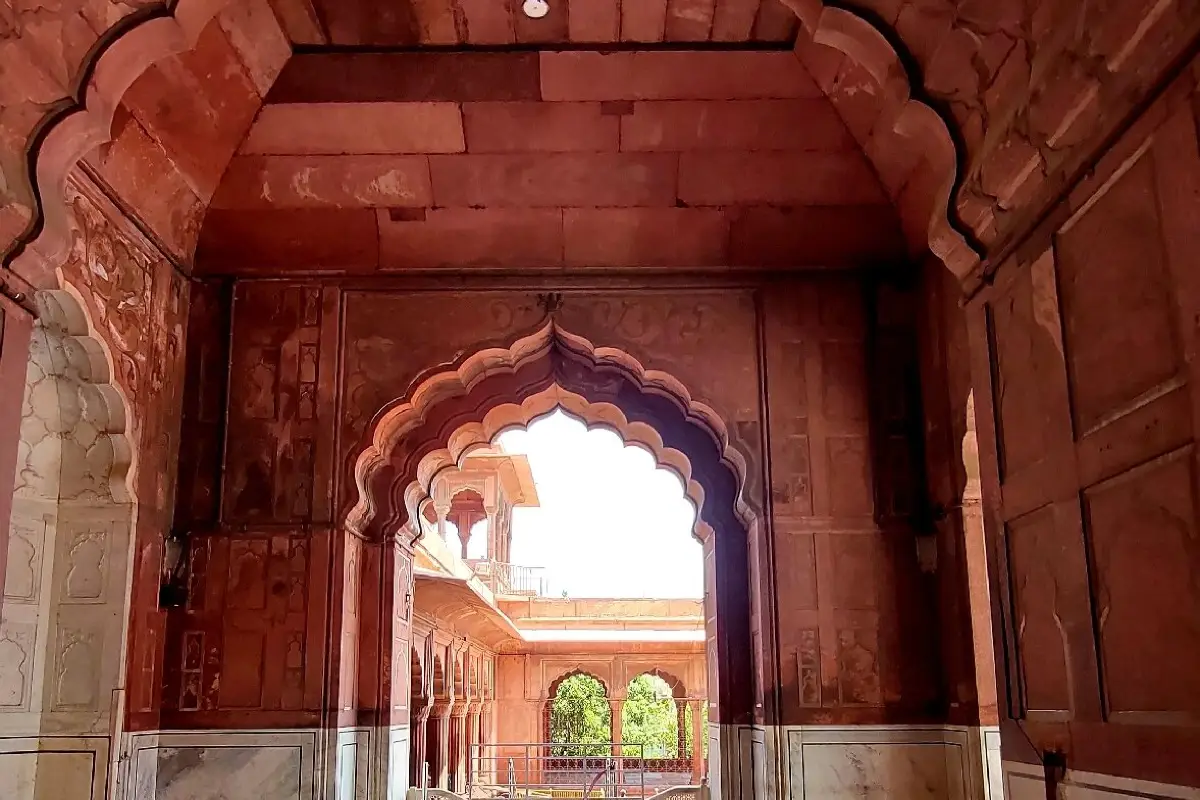
Built by Mughal Emperor Shah Jahan between 1650–1656, Jama Masjid in Old Delhi is India’s largest mosque, accommodating up to 25,000 worshippers and is a masterpiece of Indo-Islamic architecture with red sandstone, marble domes, and towering minar...
ets. It is worth visiting because it is both a spiritual center and a masterpiece of Mughal architecture. {(Daily: 7:00 AM – 12:00 PM, 1:30 PM – 6:30 PM) Closed during prayer times for non-Muslim visitors}
more info
ets. It is worth visiting because it is both a spiritual center and a masterpiece of Mughal architecture. {(Daily: 7:00 AM – 12:00 PM, 1:30 PM – 6:30 PM) Closed during prayer times for non-Muslim visitors}
Day 3
Iron Pillar
Monument

1.0 hours
$6.0
The Iron Pillar feels like Delhi’s most enigmatic relic. Rising 7.2 meters in the courtyard of the Quwwat‑ul‑Islam Mosque, its dark metal surface has resisted rust for over 1,600 years. Scholars marvel at its Sanskrit inscriptions, which speak of ...
Chandragupta II’s reign, while visitors are drawn to its quiet defiance of time and science. Unlike the towering Qutub Minar beside it, the pillar’s power lies in subtlety — a slender column that has become a global symbol of ancient metallurgical genius. Standing before it, you sense both mystery and mastery: a monument that whispers of India’s scientific heritage as much as its spiritual past.
more info
Chandragupta II’s reign, while visitors are drawn to its quiet defiance of time and science. Unlike the towering Qutub Minar beside it, the pillar’s power lies in subtlety — a slender column that has become a global symbol of ancient metallurgical genius. Standing before it, you sense both mystery and mastery: a monument that whispers of India’s scientific heritage as much as its spiritual past.
Qutb Minar
Historic Place, Monument
2.0 hours
$7.0
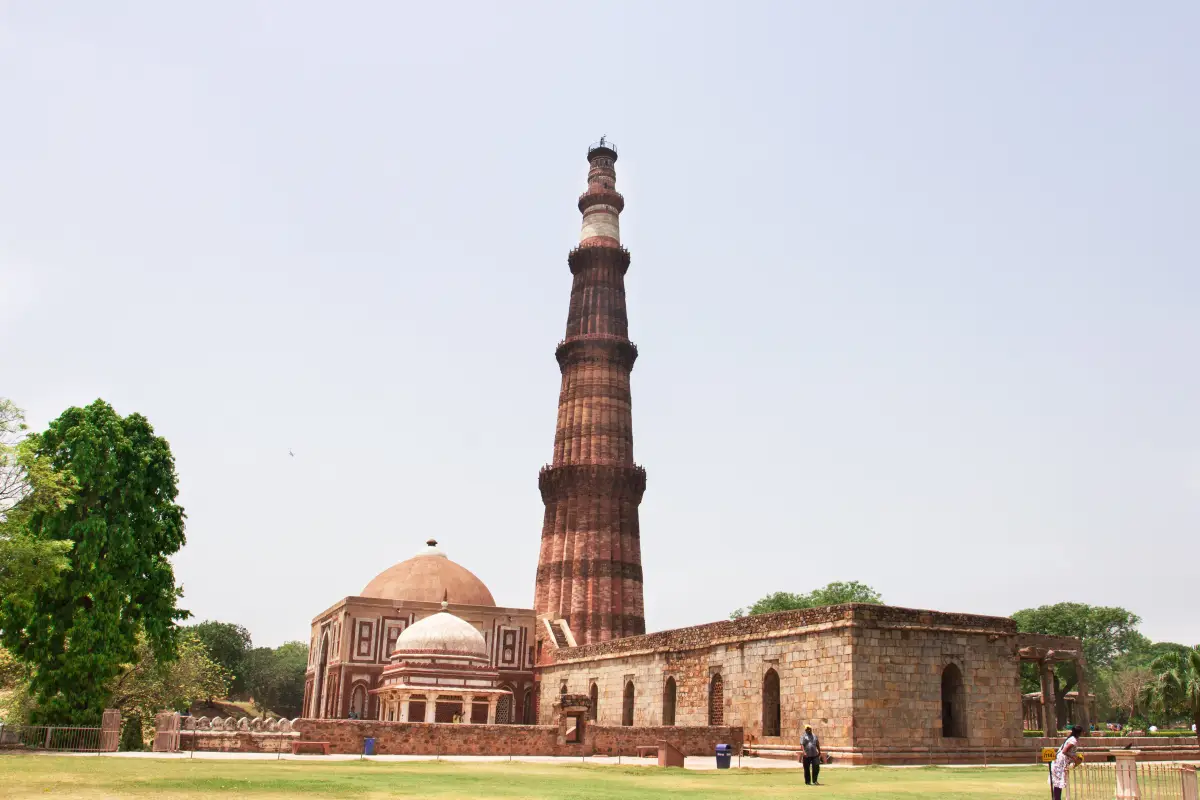
Built in the early 13th century by Qutb-ud-din Aibak and completed by Iltutmish, Qutb Minar in New Delhi is a UNESCO World Heritage Site, standing 72.5 meters tall and is one of Delhi’s most visited monuments, famous for its Indo-Islamic architect...
ure and historical significance. (A fee for photos and videos can be taken)
more info
ure and historical significance. (A fee for photos and videos can be taken)
Mehrauli Archaeological Park
Historic Place, Park
2.0 hours
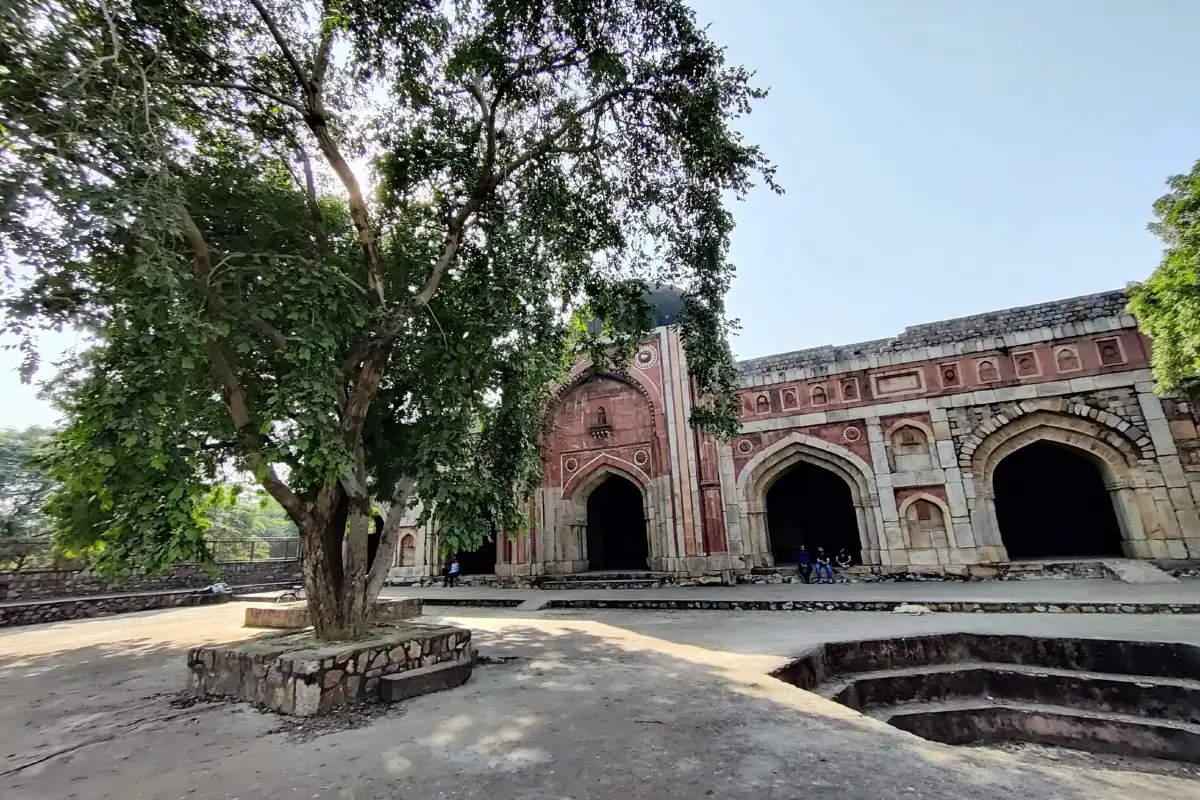
Imagine owning Delhi’s oldest fort and its surrounding ruins: the Lal Kot walls built by the Tomar Rajputs, the elegant Jamali Kamali mosque and tomb, Balban’s tomb with its early Islamic arches, and stepwells that whisper centuries of stories. Fa...
milies can wander shaded paths, children can explore hidden courtyards, and history enthusiasts find endless layers of dynasties — Tuglaq, Lodi, Mughal, and British — all in one place. It feels like a personal time capsule, where every stone belongs to you.
more info
milies can wander shaded paths, children can explore hidden courtyards, and history enthusiasts find endless layers of dynasties — Tuglaq, Lodi, Mughal, and British — all in one place. It feels like a personal time capsule, where every stone belongs to you.
Day 4
Prachin Bhairon Mandir Kalkaji
Historic Place, Religious Sight

2.0 hours
Prachin Bhairon Mandir Kalkaji feels like a hidden spiritual powerhouse tucked into the bustle of Nehru Place. Devotees stream in from dawn, offering prayers to Bhairon Baba — a deity believed to guard against misfortune. The temple is small but i...
ntense, with marble idols and a fierce‑eyed Bhairav as the centerpiece. Unique to this shrine, liquor is offered as prasad, reflecting Bhairav’s mythological fondness for it. Sundays and Navratri see long queues, while nearby stalls (like Sharma’s kachori wala) add a local flavor to the pilgrimage.
more info
ntense, with marble idols and a fierce‑eyed Bhairav as the centerpiece. Unique to this shrine, liquor is offered as prasad, reflecting Bhairav’s mythological fondness for it. Sundays and Navratri see long queues, while nearby stalls (like Sharma’s kachori wala) add a local flavor to the pilgrimage.
Lotus Temple
Architectural Building, Religious Sight
2.0 hours
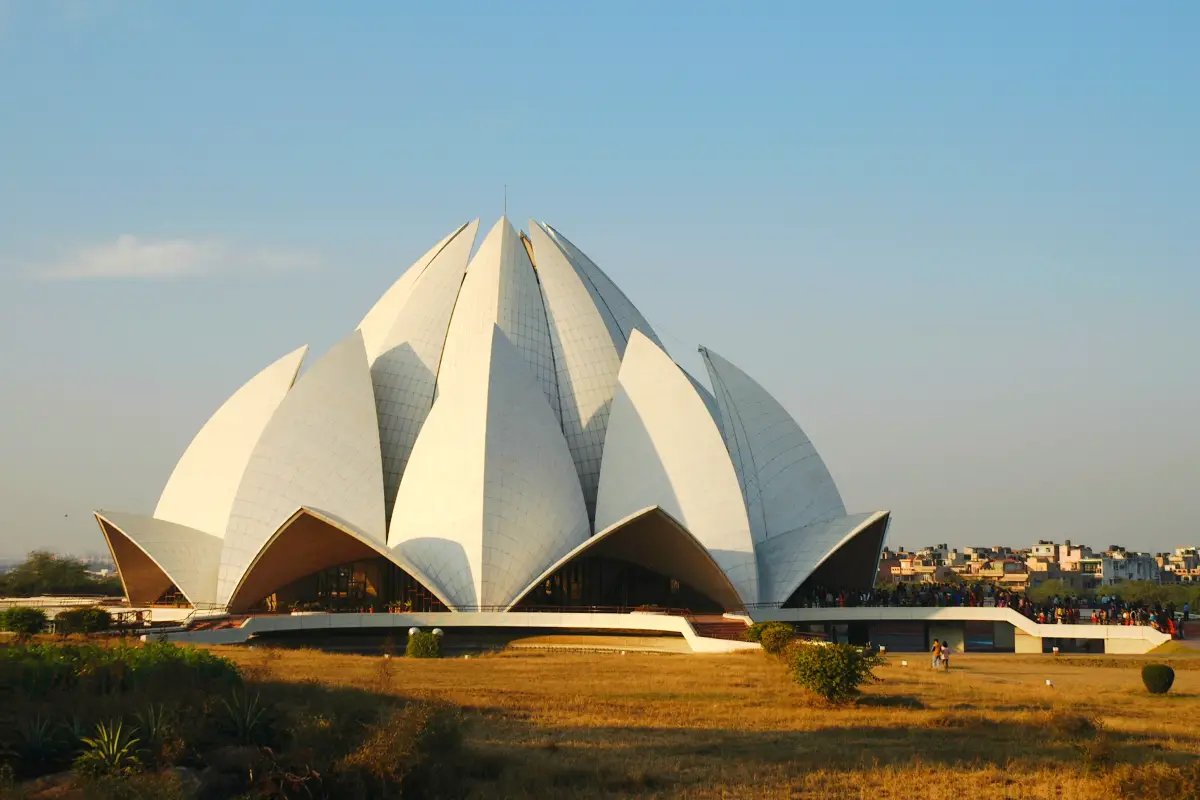
Famous for its lotus-shaped design with 27 marble petals, Lotus Temple in New Delhi is a Bahá'í House of Worship, offering a unique blend of stunning architecture, spiritual openness, and peaceful surroundings.
ISKCON Delhi Temple (Sri Sri Radha Parthasarathi Mandir)
Historic Place, Religious Sight

2.0 hours
Built in 1998 on Hare Krishna Hills in East of Kailash, ISKCON Delhi Temple (Sri Sri Radha Parthasarathi Mandir), is one of the city’s most atmospheric and spiritually vibrant temples, dedicated to Lord Krishna and Radha. Featuring marble sanctums...
, carved wooden doors, and ornate shrines that showcase fine craftsmanship of the late 20th century, it blends modern construction with traditional Vaishnava architecture. {Monday–Sunday: Morning: 4:30 AM – 1:00 PM, Evening: 4:00 PM – 9:00 PM}
more info
, carved wooden doors, and ornate shrines that showcase fine craftsmanship of the late 20th century, it blends modern construction with traditional Vaishnava architecture. {Monday–Sunday: Morning: 4:30 AM – 1:00 PM, Evening: 4:00 PM – 9:00 PM}
Day 5
National Rail Museum
Museum

2.0 hours
$2.0
Tucked away in Chanakyapuri, the National Rail Museum is a treasure trove that feels like stepping into India’s railway past. Since opening in 1977, it has preserved the romance of train travel with an extraordinary collection of locomotives, roya...
l saloons, and working models. Walking through its galleries, you encounter the grandeur of the Maharaja of Mysore’s Saloon, the elegance of the Prince of Wales’ coach, and the raw power of steam engines that once crisscrossed the subcontinent. Families are drawn to the Joy Train and Diesel Simulator, which transform history into hands‑on adventure, making the museum both nostalgic and delightfully interactive.
more info
l saloons, and working models. Walking through its galleries, you encounter the grandeur of the Maharaja of Mysore’s Saloon, the elegance of the Prince of Wales’ coach, and the raw power of steam engines that once crisscrossed the subcontinent. Families are drawn to the Joy Train and Diesel Simulator, which transform history into hands‑on adventure, making the museum both nostalgic and delightfully interactive.
Safdarjung Tomb
Historic Place, Monument, Park
2.0 hours
$4.0
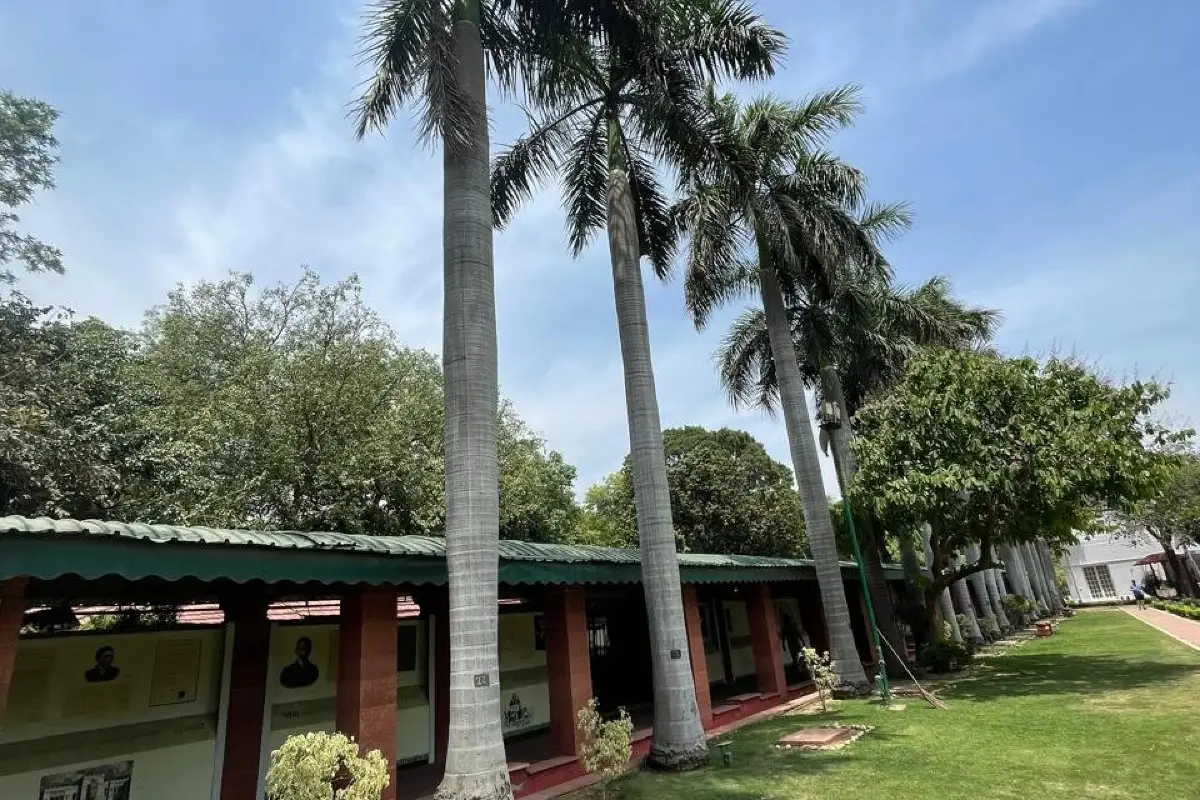
Safdarjung Tomb, built in 1753–54 by Nawab Shuja‑ud‑Daulah for his father Safdarjung (the viceroy of Awadh under Mughal Emperor Mohammed Shah), is considered the last monumental garden tomb of the Mughals. Its design follows the tradition of Humay...
un’s Tomb but on a smaller scale. The mausoleum is constructed with red sandstone and marble, featuring a large central dome, arched entrances, and symmetrical Mughal gardens.
more info
un’s Tomb but on a smaller scale. The mausoleum is constructed with red sandstone and marble, featuring a large central dome, arched entrances, and symmetrical Mughal gardens.
Lodhi Garden
Park
2.0 hours
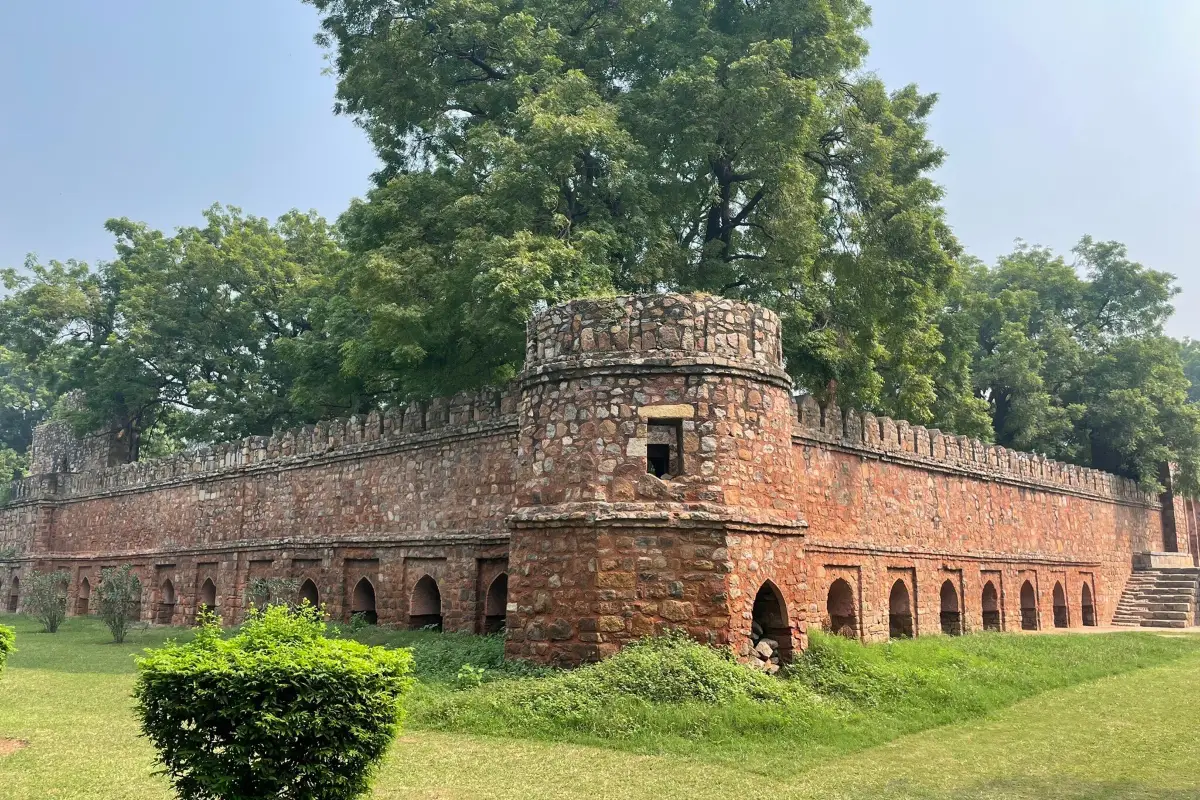
Featuring 90 acres of greenery and 15th–16th century tombs, Lodhi Garden in New Delhi is one of the most popular spots for morning walks, picnics, and family outings, ideal for combining relaxation with history.
Day 6
Purana Quila
Historic Place, Monument
1.0 hours
$5.0
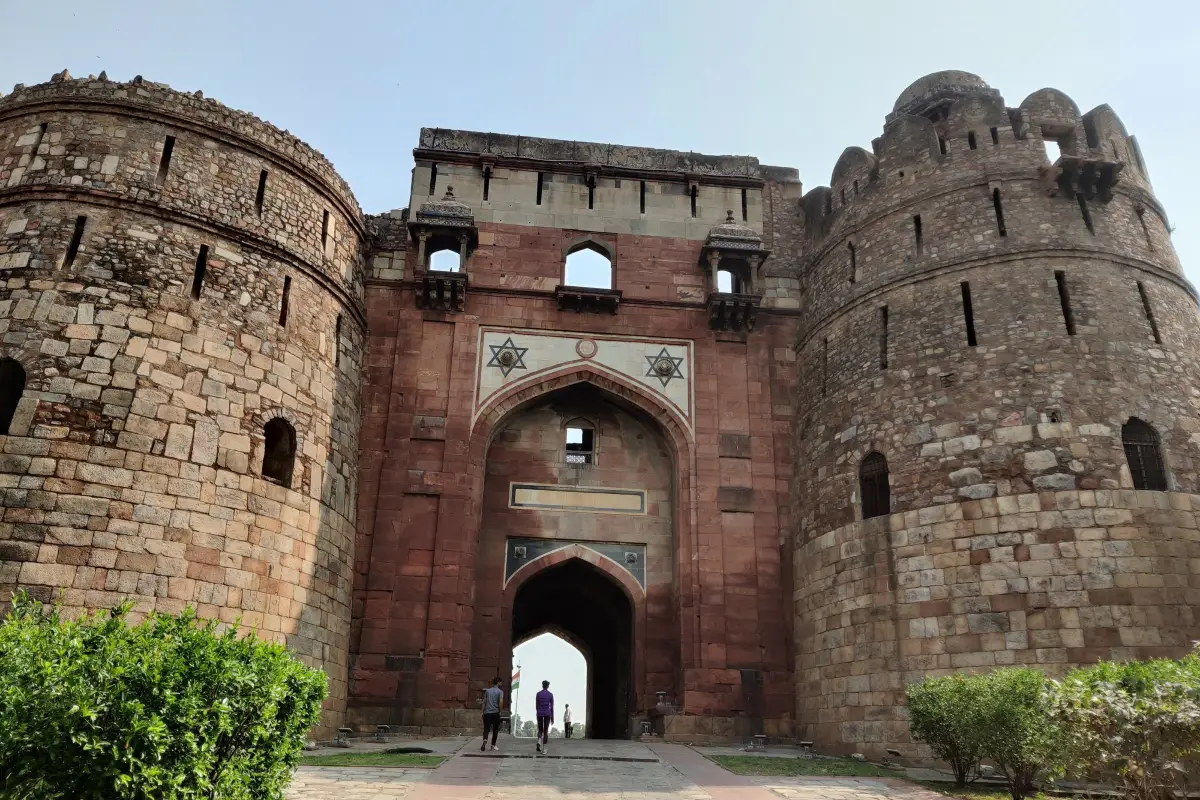
Built between 1533 and 1540 by Mughal emperor Humayun and later strengthened by Sher Shah Suri, Purana Qila (Old Fort) in New Delhi is one of the city’s most atmospheric and historically significant monuments. Its expansive lawns and quiet pathway...
s make it a serene escape from Delhi’s bustle, while evening sound‑and‑light shows narrate the city’s layered history.
more info
s make it a serene escape from Delhi’s bustle, while evening sound‑and‑light shows narrate the city’s layered history.
National Gallery of Modern Art
Museum
2.0 hours
$6.0
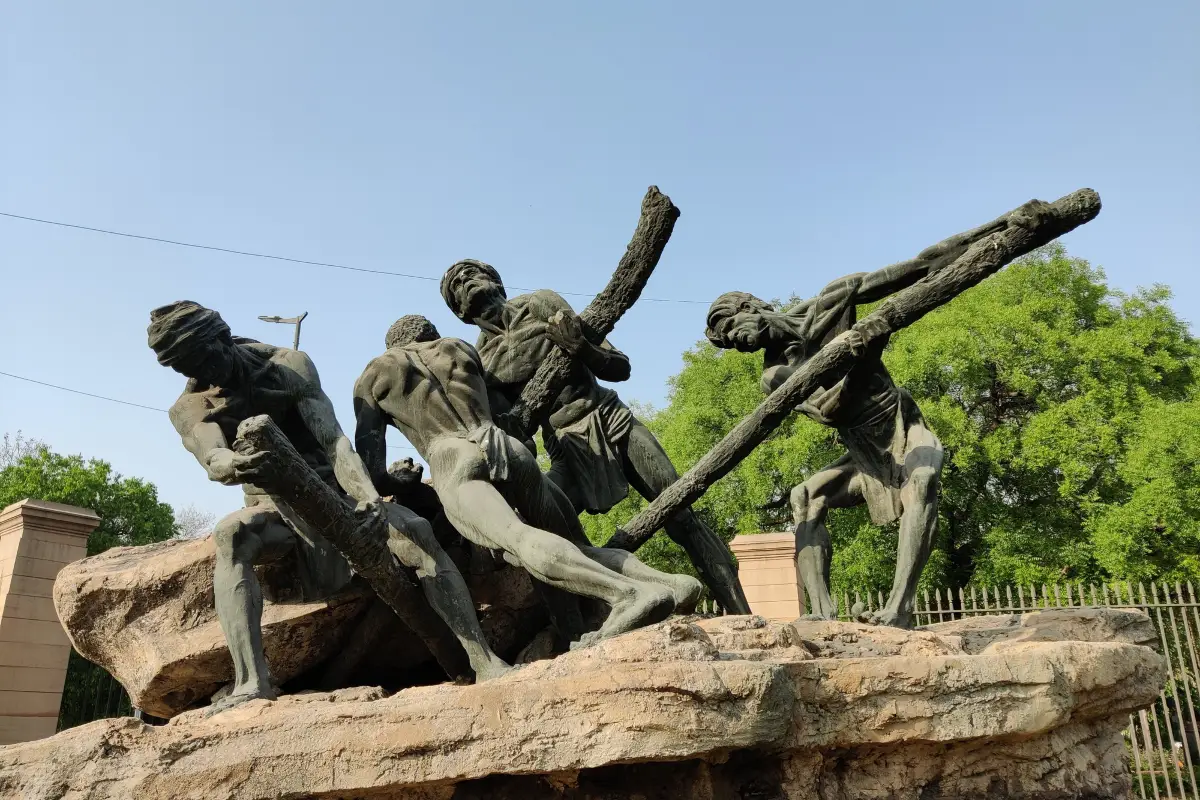
Housed in the stately Jaipur House near India Gate, National Gallery of Modern Art feels like stepping into a dialogue between India’s past and present. Its galleries weave together 170 years of modern and contemporary Indian art — from bold canva...
ses that challenge social norms to delicate sculptures that whisper of tradition. The atmosphere is contemplative yet vibrant, with wide halls that invite families to linger and children to explore creativity in a safe, inspiring space. Unlike the bustle of Delhi’s monuments, National Gallery of Modern Art offers a quieter, intellectual immersion, where each artwork feels like a personal conversation.
more info
ses that challenge social norms to delicate sculptures that whisper of tradition. The atmosphere is contemplative yet vibrant, with wide halls that invite families to linger and children to explore creativity in a safe, inspiring space. Unlike the bustle of Delhi’s monuments, National Gallery of Modern Art offers a quieter, intellectual immersion, where each artwork feels like a personal conversation.
India Gate
Historic Place, Monument
1.0 hours
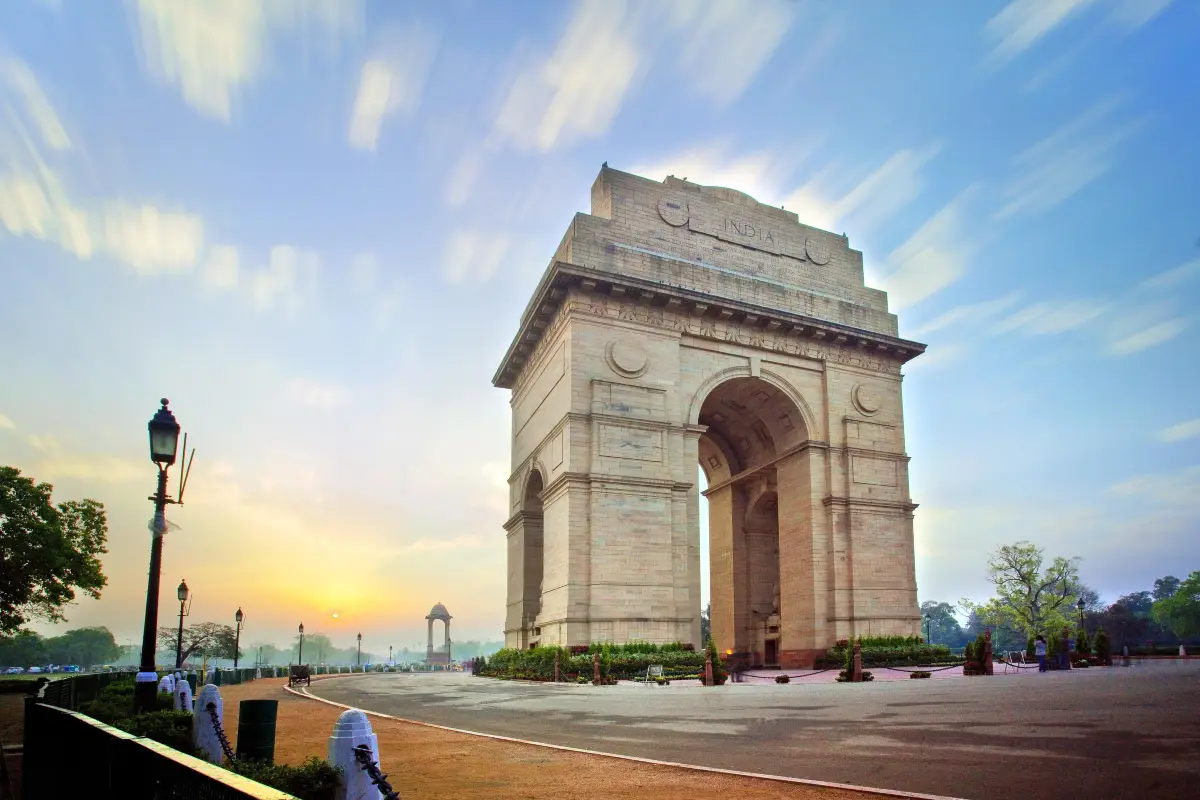
Built in 1931 to honor over 74,000 soldiers of the Indian Army who died during World War I and the Third Anglo-Afghan War, India Gate in New Delhi is a 42-meter-high war memorial surrounded by lively gardens, making it a cultural, historical, and ...
family-friendly destination.
more info
family-friendly destination.
National War Memorial
Monument
2.0 hours
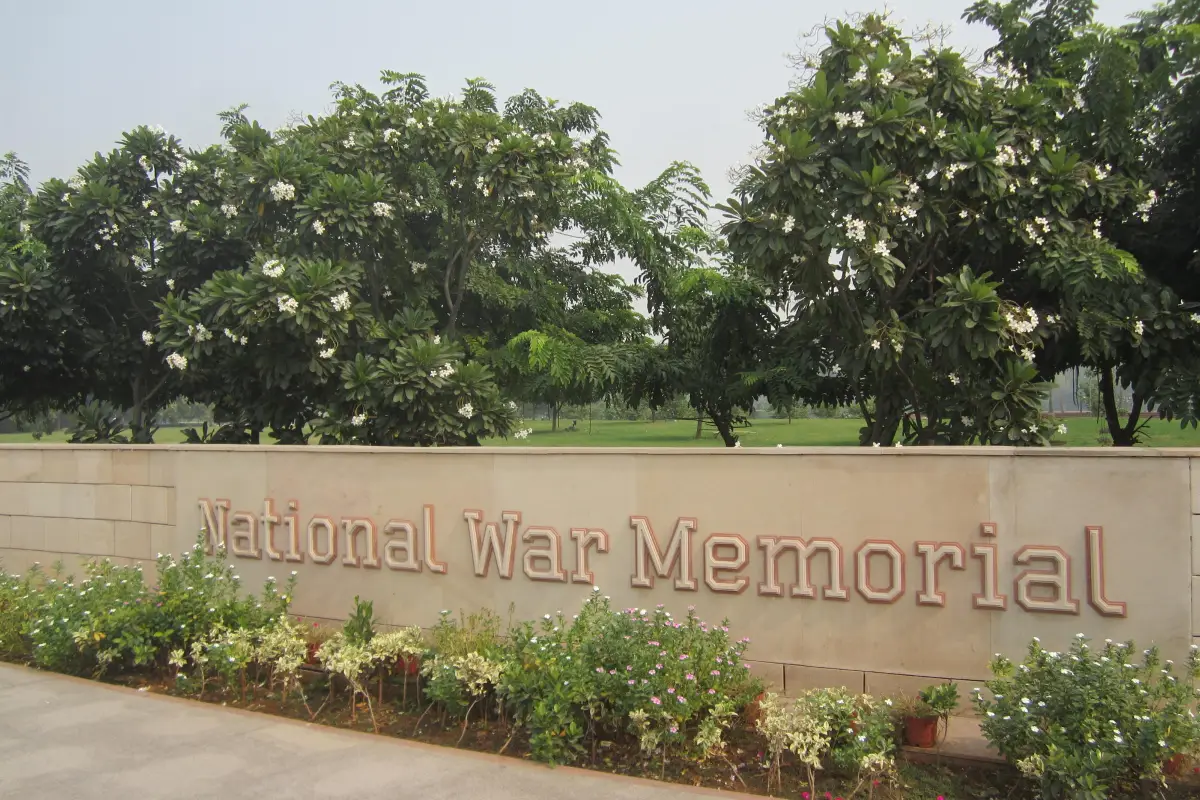
Inaugurated on 25 February 2019, the National War Memorial honors over 25,942 soldiers who sacrificed their lives post‑Independence. The memorial is designed in concentric circles, Amar Chakra (Circle of Immortality), Veerta Chakra (Circle of Brav...
ery), Tyag Chakra (Circle of Sacrifice), and Rakshak Chakra (Circle of Protection), symbolizing valor and remembrance. At its center stands a tall obelisk with the eternal flame (Amar Jawan Jyoti). The site is adjacent to India Gate, creating a powerful continuum of national memory. It is also a venue for ceremonial events, including wreath‑laying by dignitaries and military parades.
more info
ery), Tyag Chakra (Circle of Sacrifice), and Rakshak Chakra (Circle of Protection), symbolizing valor and remembrance. At its center stands a tall obelisk with the eternal flame (Amar Jawan Jyoti). The site is adjacent to India Gate, creating a powerful continuum of national memory. It is also a venue for ceremonial events, including wreath‑laying by dignitaries and military parades.
Day 7
National Crafts Museum
Museum
2.0 hours
$4.0
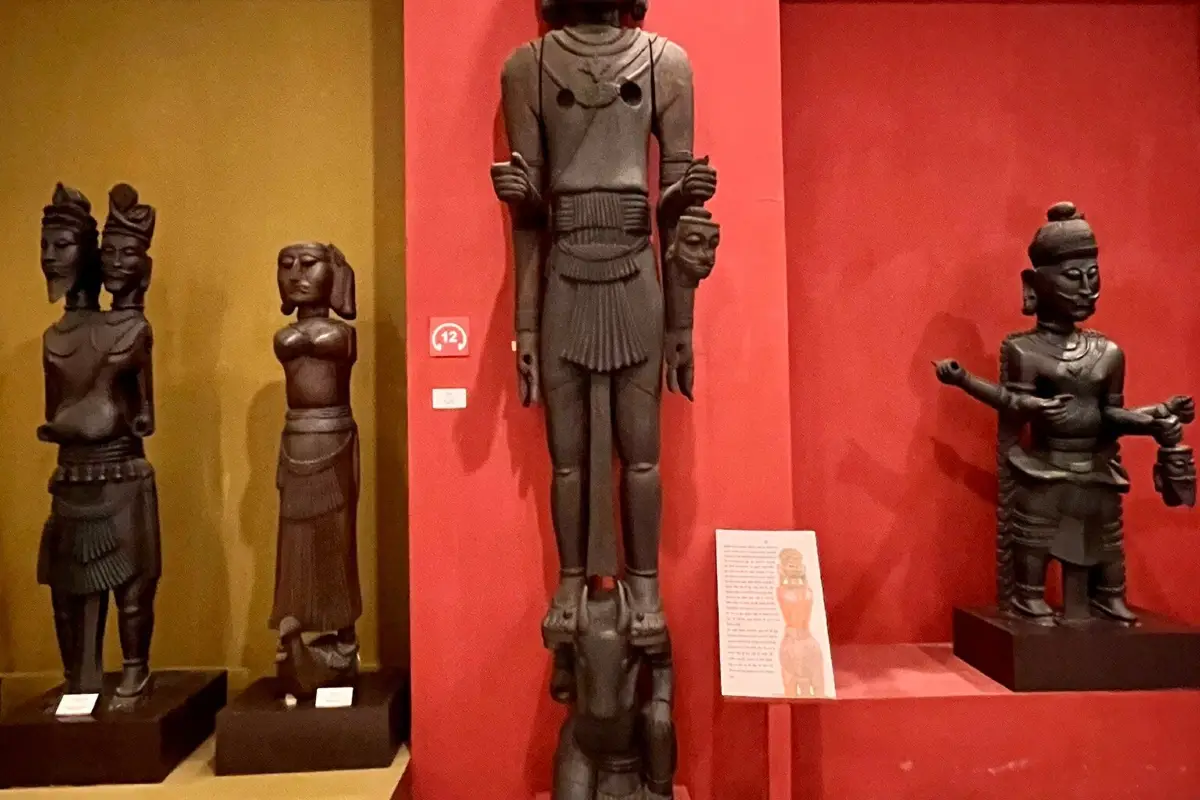
This museum is often called a “living museum” because it doesn’t just display artifacts — it brings India’s craft traditions to life. Established in 1956, it houses over 20,000 objects across galleries dedicated to textiles, folk and tribal art, r...
itual crafts, and courtly crafts. The Village Complex recreates rural India with huts, courtyards, and artisans at work, making it feel immersive and atmospheric. Visitors can watch live demonstrations of weaving, pottery, and painting, turning the museum into a vibrant cultural experience rather than a static exhibition. Families find it engaging, as children can interact with artisans and explore colorful displays, while adults appreciate the depth of India’s craft heritage.
more info
itual crafts, and courtly crafts. The Village Complex recreates rural India with huts, courtyards, and artisans at work, making it feel immersive and atmospheric. Visitors can watch live demonstrations of weaving, pottery, and painting, turning the museum into a vibrant cultural experience rather than a static exhibition. Families find it engaging, as children can interact with artisans and explore colorful displays, while adults appreciate the depth of India’s craft heritage.
Swaminarayan Akshardham
Historic Place, Religious Sight
4.0 hours
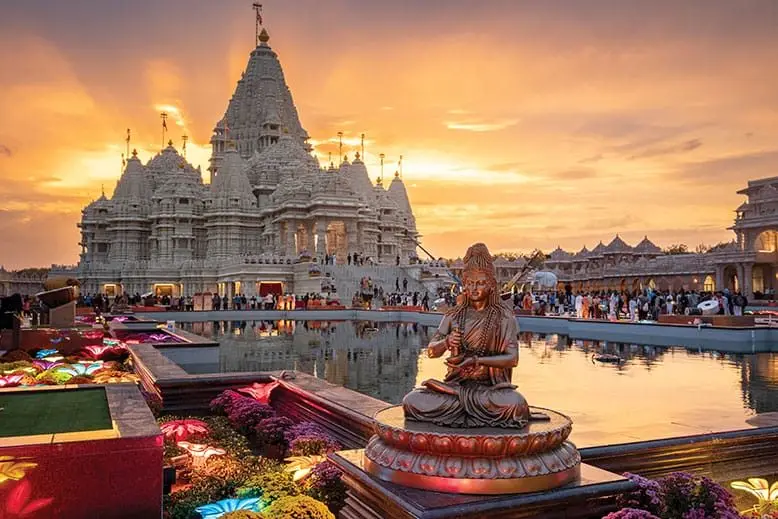
Built from pink sandstone and white marble, without steel, symbolizing timelessness, Swaminarayan Akshardham in New Delhi is one of the largest Hindu temple complexes in the world, renowned for its intricately carved sandstone and marble structure...
s, vast gardens, exhibitions and spectacular evening water show, making it one of Delhi’s most engaging family destinations. (Entry to the temple and gardens is free, while exhibitions and the musical fountain have ticketed fees.)
more info
s, vast gardens, exhibitions and spectacular evening water show, making it one of Delhi’s most engaging family destinations. (Entry to the temple and gardens is free, while exhibitions and the musical fountain have ticketed fees.)
Day 8
National Museum, New Delhi
Museum
3.0 hours
$5.33
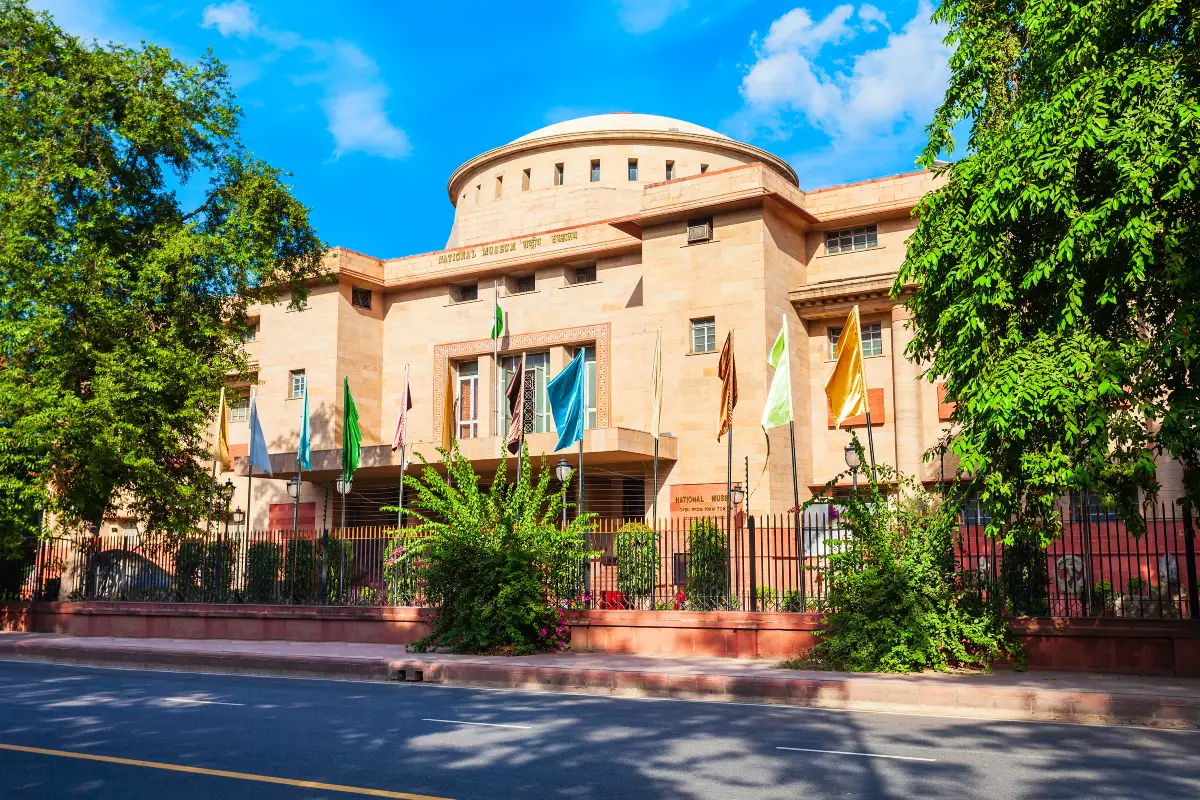
Established in 1949, National Museum in New Delhi is one of India’s largest museums, housing over 200,000 artifacts that span from prehistoric times to modern art. Located on Janpath, it is a must-visit for anyone interested in Indian history, cul...
ture, and heritage.
more info
ture, and heritage.
Ugrasen ki Baoli
Historic Place, Monument
2.0 hours
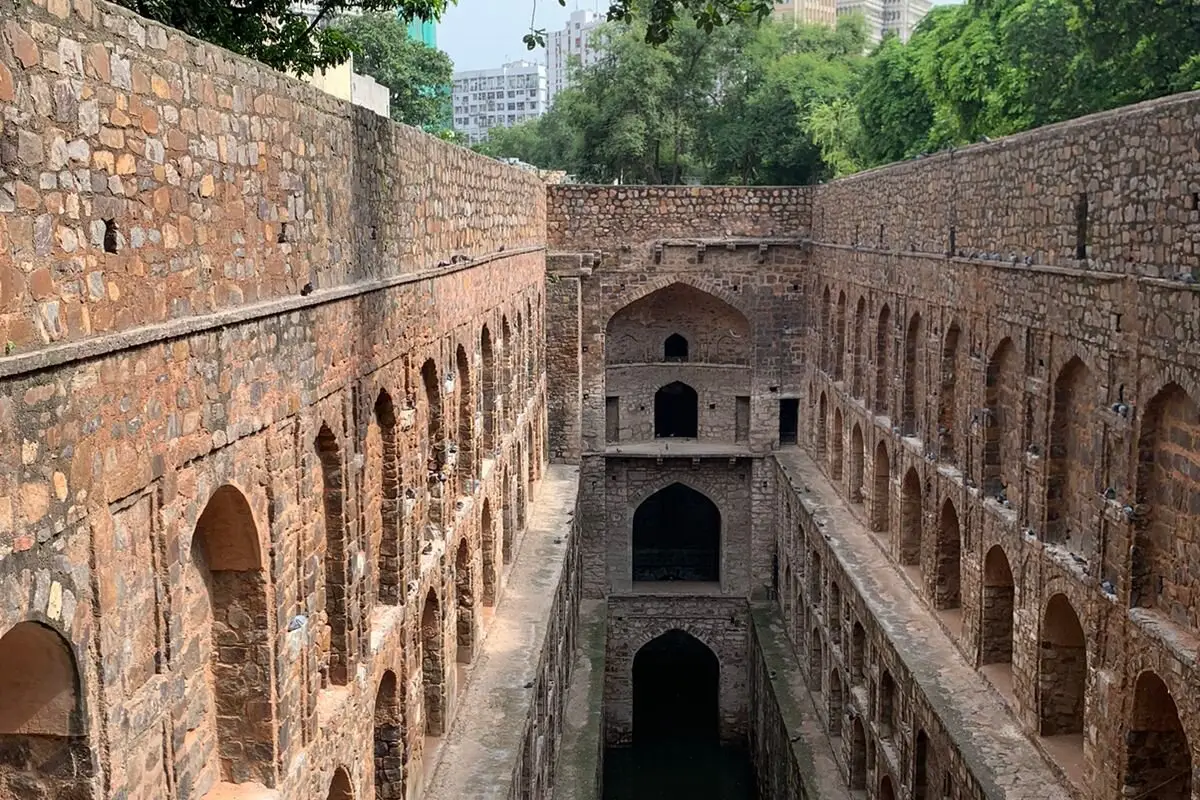
Built during the 14th–15th century and attributed to the legendary King Agrasen, Ugrasen ki Baoli (Agrasen ki Baoli), is one of Delhi’s most atmospheric monuments. Located on Hailey Road near Connaught Place, this stepwell stretches 60 meters in l...
ength and 15 meters in width, descending through 108 stone steps into its depths. Constructed in red sandstone, the Baoli features arched niches and carved stone walls, hallmarks of medieval craftsmanship. It is believed by locals that its waters once held mystical powers, and stories of it being haunted add to its allure. Today, it is a popular spot for history lovers, photographers, and film buffs, having appeared in Bollywood movies like PK.
more info
ength and 15 meters in width, descending through 108 stone steps into its depths. Constructed in red sandstone, the Baoli features arched niches and carved stone walls, hallmarks of medieval craftsmanship. It is believed by locals that its waters once held mystical powers, and stories of it being haunted add to its allure. Today, it is a popular spot for history lovers, photographers, and film buffs, having appeared in Bollywood movies like PK.
Jantar Mantar
Architectural Building, Historic Place
2.0 hours
$3.0
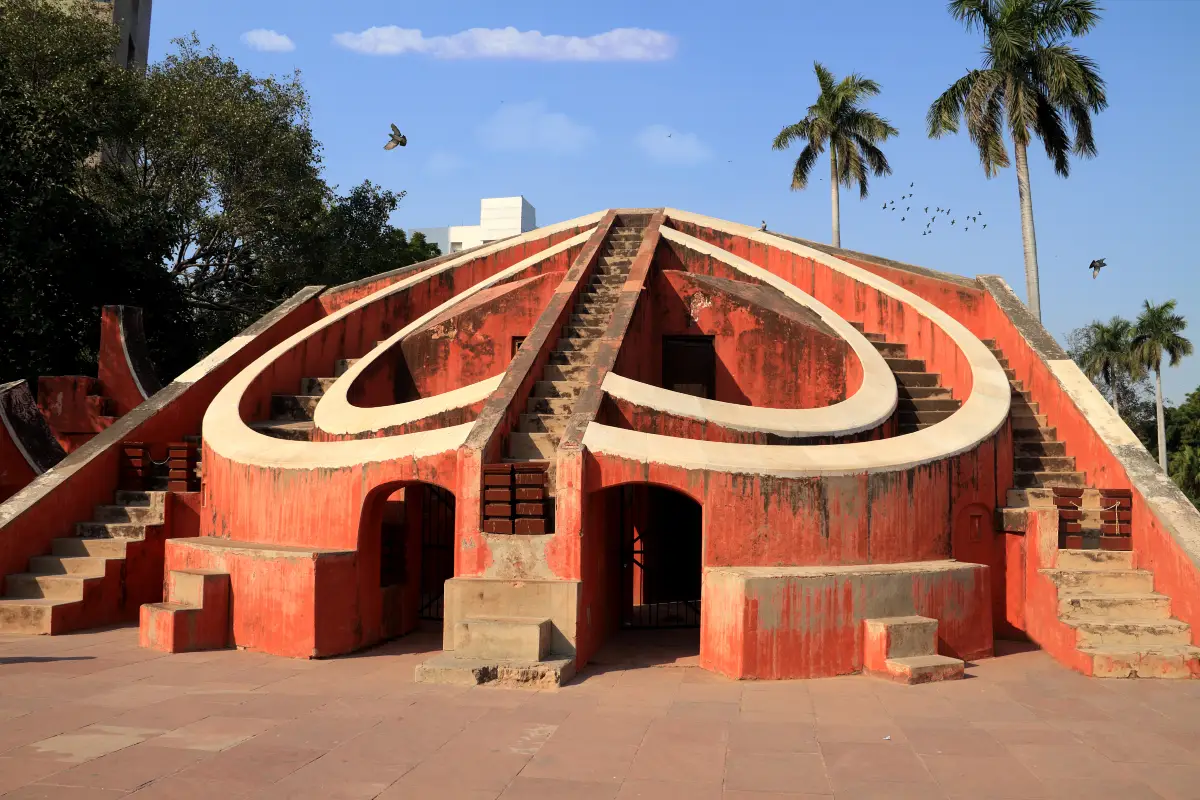
Located on Sansad Marg near Connaught Place, Jantar Mantar in New Delhi is an 18th‑century astronomical observatory built in 1724 by Maharaja Jai Singh II. Designed as an astronomical observatory to measure time, track celestial bodies, and predic...
t eclipses, it is one of the city’s most atmospheric and historically significant landmarks. (Small fees for video can be taken)
more info
t eclipses, it is one of the city’s most atmospheric and historically significant landmarks. (Small fees for video can be taken)
Day 9
Rashtrapati Bhavan
Historic Place, Monument
2.0 hours
$1.0
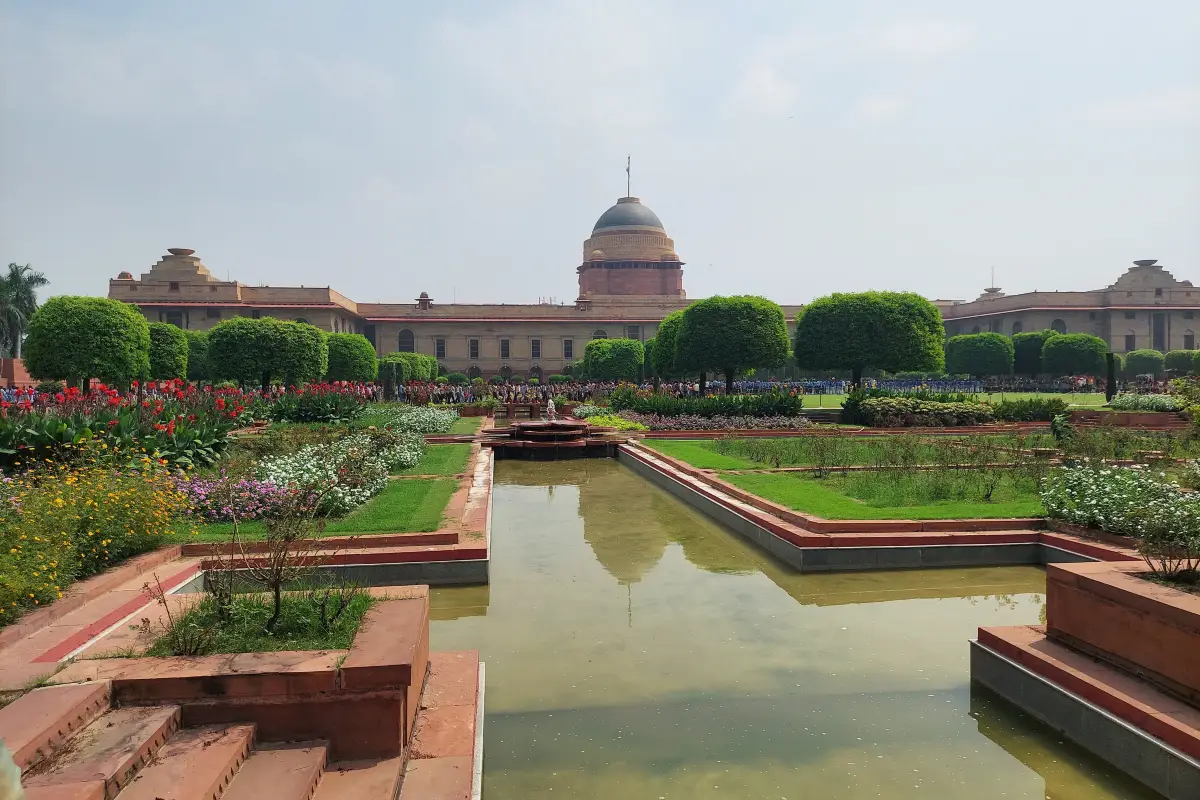
Perched atop Raisina Hill, Rashtrapati Bhavan is more than a presidential residence, it’s a living monument to India’s history and architectural grandeur. Designed by Sir Edwin Lutyens in 1929, its sweeping dome, colonnades, and Mughal-inspired ga...
rdens blend imperial ambition with Indian artistry. Walking through its vast courtyards and manicured lawns, visitors sense both the weight of governance and the elegance of tradition. The Amrit Udyan (formerly Mughal Gardens) bursts into seasonal bloom, while the museum circuits reveal treasures of India’s democratic journey. It’s a place where power, heritage, and beauty converge.
more info
rdens blend imperial ambition with Indian artistry. Walking through its vast courtyards and manicured lawns, visitors sense both the weight of governance and the elegance of tradition. The Amrit Udyan (formerly Mughal Gardens) bursts into seasonal bloom, while the museum circuits reveal treasures of India’s democratic journey. It’s a place where power, heritage, and beauty converge.
Samvidhan Sadan New Delhi
Fountain, Historic Place, Park

2.0 hours
$1.0
Picture this monumental building as your own seat of power: a circular sandstone structure with 144 grand columns, echoing with the voices of India’s democratic history. Families can stroll through its landscaped surroundings, children marvel at t...
he sheer scale of the architecture, and history enthusiasts find resonance in the chambers where laws are debated. It feels like a personal citadel of governance, where heritage and modernity converge.
more info
he sheer scale of the architecture, and history enthusiasts find resonance in the chambers where laws are debated. It feels like a personal citadel of governance, where heritage and modernity converge.
Gurdwara Bangla Sahib
Historic Place, Religious Sight
2.0 hours
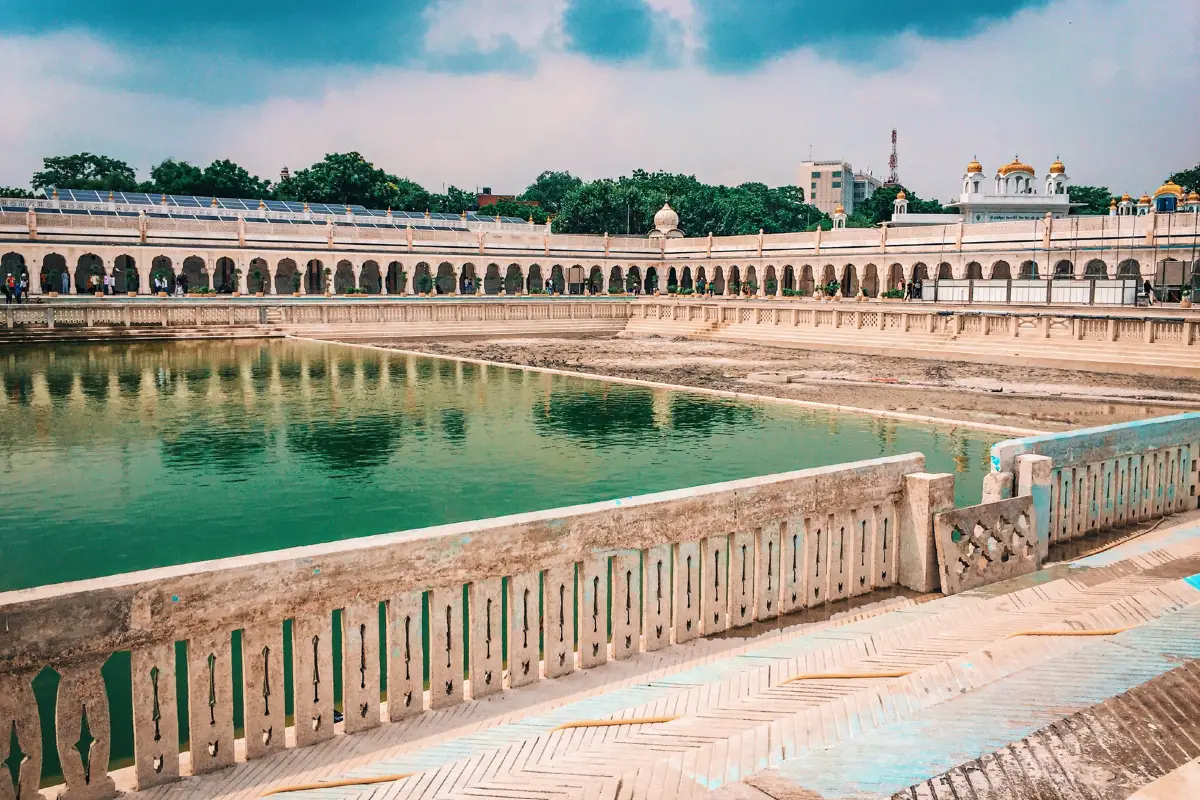
Famous for its golden dome, white marble façade, and the holy Sarovar (pond) within its complex, Gurdwara Bangla Sahib in New Delhi is one of the most prominent Sikh houses of worship, associated with the 8th Sikh Guru, Guru Har Krishan, who staye...
d here in 1664 and served the sick during a smallpox epidemic. It is believed to have healing properties; visitors often take a sip of its water.
more info
d here in 1664 and served the sick during a smallpox epidemic. It is believed to have healing properties; visitors often take a sip of its water.
Shri Laxmi Narayan Temple (Birla Mandir)
Historic Place, Monument, Religious Sight
2.0 hours
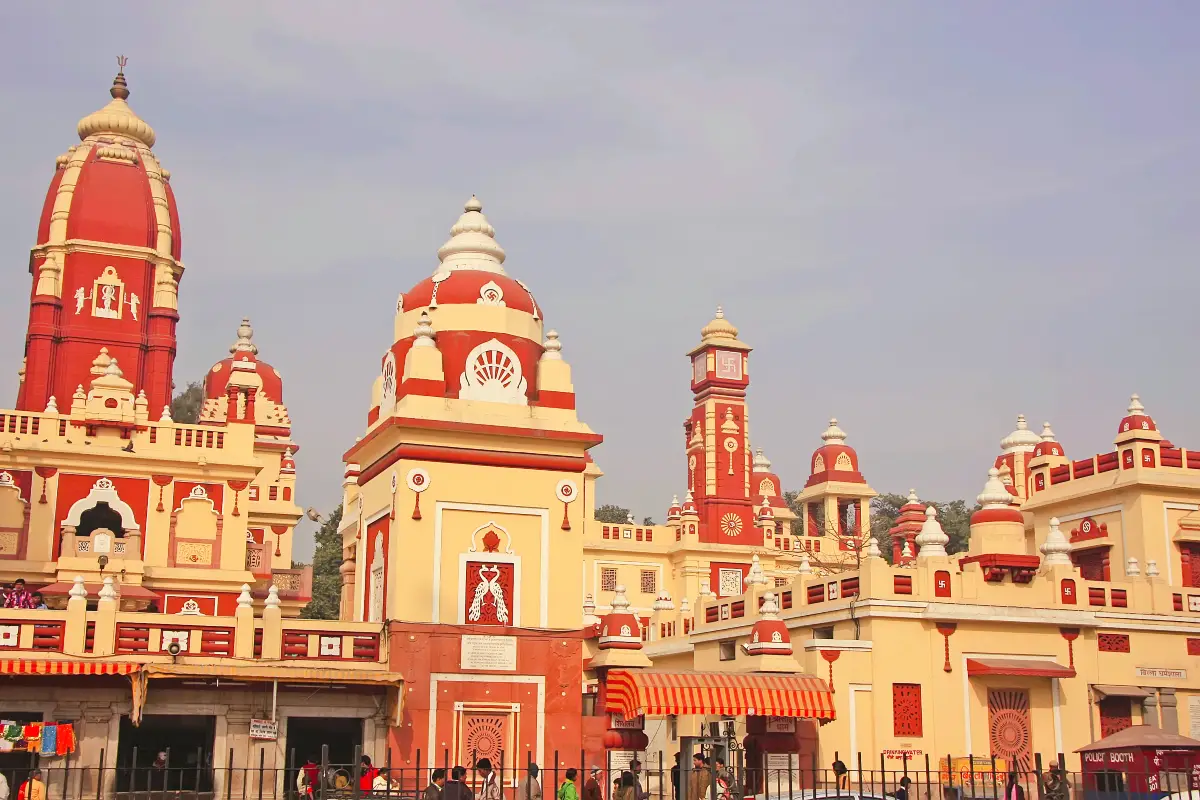
Built in 1939 by Baldeo Das Birla and inaugurated by Mahatma Gandhi, the Birla Mandir is a landmark of Delhi’s spiritual and cultural heritage. The temple is dedicated to Lord Vishnu (Narayan) and his consort Goddess Laxmi, symbolizing preservatio...
n and prosperity. Its architecture blends traditional Hindu temple design with modern elements, featuring red and yellow domes, intricate carvings, and spacious courtyards. Gandhi insisted that the temple be open to all castes, making it a symbol of inclusivity. (Daily: 4:30 AM – 1:30 PM and 2:30 PM – 9:00 PM)
more info
n and prosperity. Its architecture blends traditional Hindu temple design with modern elements, featuring red and yellow domes, intricate carvings, and spacious courtyards. Gandhi insisted that the temple be open to all castes, making it a symbol of inclusivity. (Daily: 4:30 AM – 1:30 PM and 2:30 PM – 9:00 PM)
Day 10
Shri Aadya Katyayani Shakti Peeth (Chhatarpur Temple)
Historic Place, Religious Sight
2.0 hours
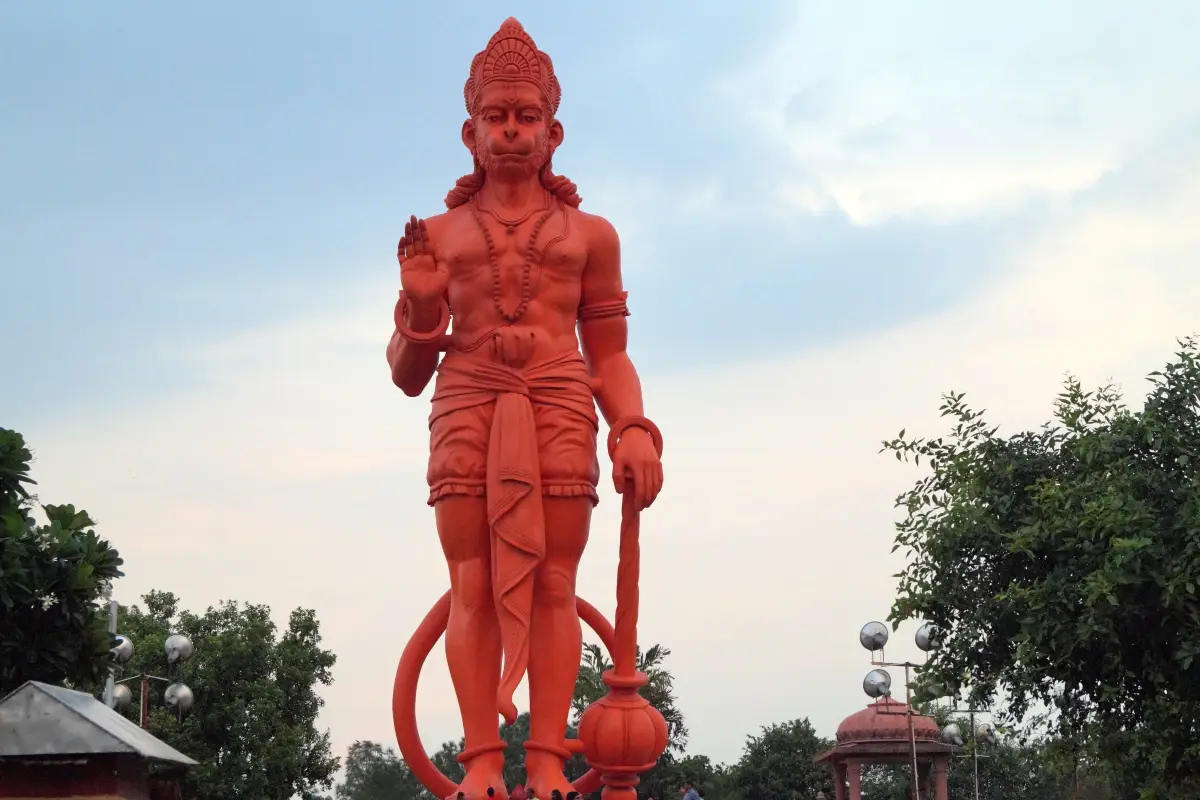
Nestled in Chhatarpur, on the southwestern edge of New Delhi, the Shri Aadya Katyayani Shakti Peeth is a monumental temple complex that radiates devotion and architectural splendor. Built in 1974 by Baba Sant Nagpal Ji, the temple honors Goddess K...
atyayani, one of the six forms of Maa Durga. Its vast marble courtyards, intricately carved jali facades, and towering spires create an atmosphere of awe and reverence. Visitors are struck by the scale of the complex, which ranks as Delhi’s second-largest temple after Akshardham. The temple’s Vesara-style design, with its blend of northern and southern Indian architectural elements, makes it unique among Delhi’s sacred sites.
more info
atyayani, one of the six forms of Maa Durga. Its vast marble courtyards, intricately carved jali facades, and towering spires create an atmosphere of awe and reverence. Visitors are struck by the scale of the complex, which ranks as Delhi’s second-largest temple after Akshardham. The temple’s Vesara-style design, with its blend of northern and southern Indian architectural elements, makes it unique among Delhi’s sacred sites.
Tughlaqabad Fort Delhi
Historic Place

2.0 hours
$2.0
Rising from the rocky terrain of South Delhi, Tughlaqabad Fort feels like a fortress carved out of myth. Its massive stone ramparts stretch across the landscape, echoing the ambition of Ghiyasuddin Tughlaq, who envisioned an unbreachable stronghol...
d against Mongol invasions. Though abandoned within a decade of its construction, the fort’s ruins still carry an aura of power and mystery. Walking through its crumbling gateways and silent courtyards, visitors sense both grandeur and desolation, a haunting reminder of Delhi’s medieval past, where ambition met fate and legend.
more info
d against Mongol invasions. Though abandoned within a decade of its construction, the fort’s ruins still carry an aura of power and mystery. Walking through its crumbling gateways and silent courtyards, visitors sense both grandeur and desolation, a haunting reminder of Delhi’s medieval past, where ambition met fate and legend.
1/1
To customize the circuit, you need an account.
