The Confluence of Religions
6 days long
Advised budget $500
(2 persons, 3-star hotel, mid-range restaurants)
(2 persons, 3-star hotel, mid-range restaurants)
India
-
Delhi
City Walk - 63%
Culture and Art - 27%
Nature - 9%
Other - 1%
Culture and Art - 27%
Nature - 9%
Other - 1%
Day 1
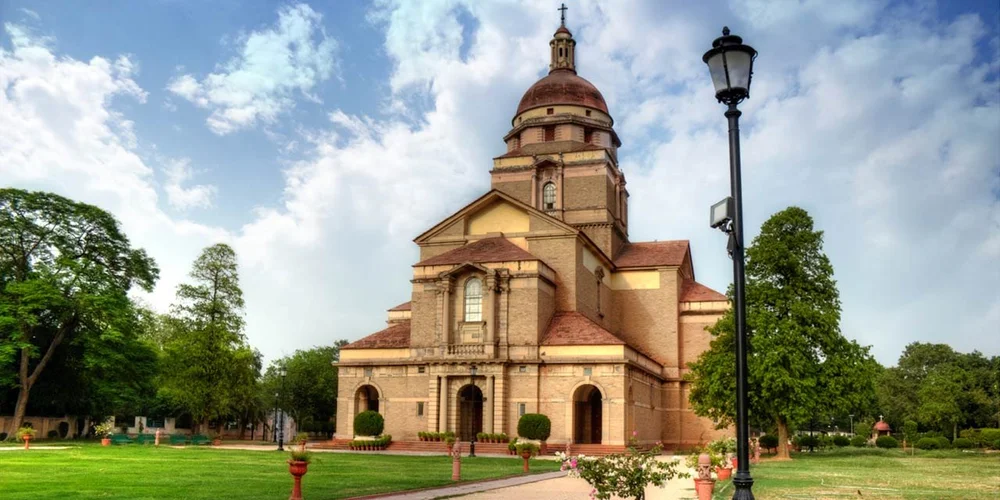
Cathedral Church of The Redemption (C.N.I.)
Historic Place, Religious Sight
2.0 hours
The Cathedral Church of the Redemption feels like a quiet hymn carved into stone. Built in the 1930s, its pale domes and arches stand in serene contrast to the grandeur of Raisina Hill. Inside, sunlight filters through stained glass, painting the ...
pews with shifting colors as choirs rehearse hymns that echo softly against the vaulted ceiling. Unlike the bustle of Connaught Place or the solemnity of India Gate, this cathedral offers a gentler rhythm — a place where diplomats, locals, and travelers alike pause to breathe, pray, or simply listen to silence. It is less a monument and more a sanctuary, where history and devotion blend seamlessly.
more info
pews with shifting colors as choirs rehearse hymns that echo softly against the vaulted ceiling. Unlike the bustle of Connaught Place or the solemnity of India Gate, this cathedral offers a gentler rhythm — a place where diplomats, locals, and travelers alike pause to breathe, pray, or simply listen to silence. It is less a monument and more a sanctuary, where history and devotion blend seamlessly.
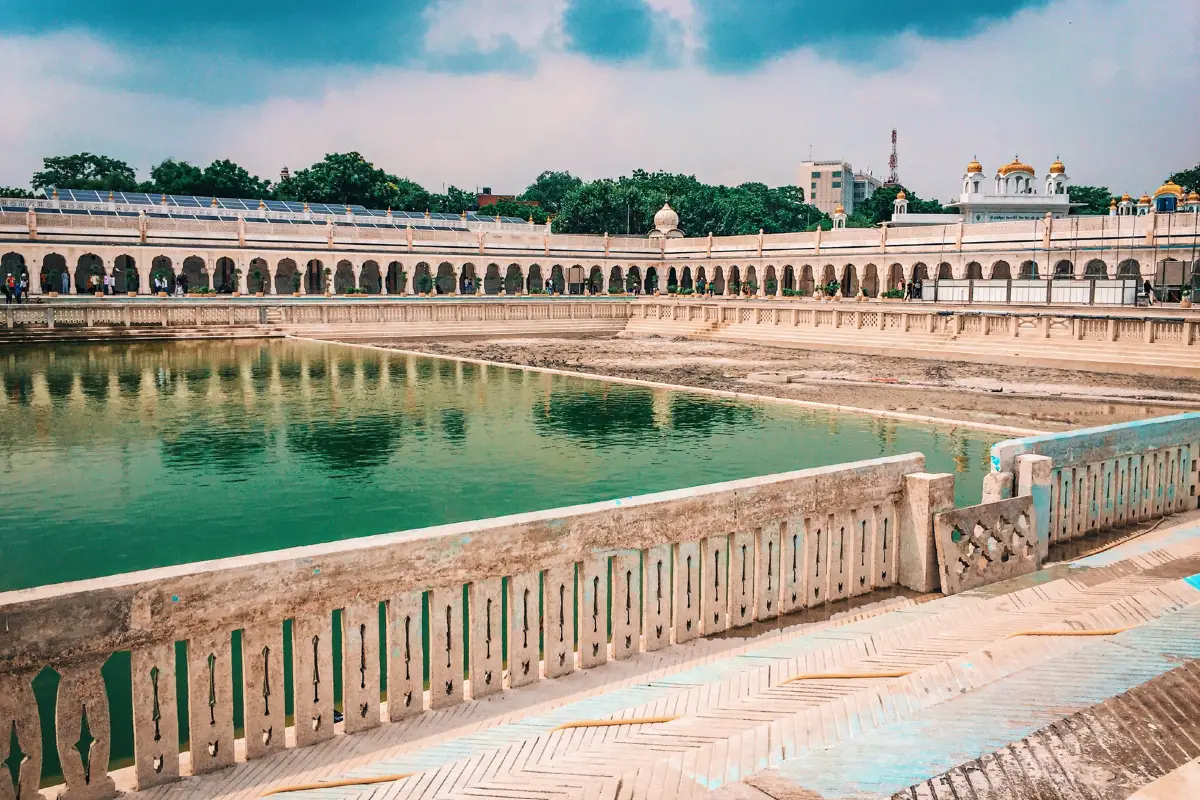
Gurdwara Bangla Sahib
Historic Place, Religious Sight
2.0 hours
Famous for its golden dome, white marble façade, and the holy Sarovar (pond) within its complex, Gurdwara Bangla Sahib in New Delhi is one of the most prominent Sikh houses of worship, associated with the 8th Sikh Guru, Guru Har Krishan, who staye...
d here in 1664 and served the sick during a smallpox epidemic. It is believed to have healing properties; visitors often take a sip of its water.
more info
d here in 1664 and served the sick during a smallpox epidemic. It is believed to have healing properties; visitors often take a sip of its water.
Sacred Heart Cathedral
Historic Place, Religious Sight

2.0 hours
Sacred Heart Cathedral feels like a pause button in the middle of Delhi’s rush. Its tall arches and marble interiors create a hush that seems to stretch time, while the courtyard breathes calm even as Connaught Place pulses just beyond the gates. ...
Built in 1930 by Henry Alexander Medd, the cathedral carries the elegance of Renaissance design but softened by Delhi’s light and rhythm. At Christmas, the glow of candles and carols transforms it into a living tapestry of devotion and community — a place where history, architecture, and faith converge in quiet grandeur.
more info
Built in 1930 by Henry Alexander Medd, the cathedral carries the elegance of Renaissance design but softened by Delhi’s light and rhythm. At Christmas, the glow of candles and carols transforms it into a living tapestry of devotion and community — a place where history, architecture, and faith converge in quiet grandeur.
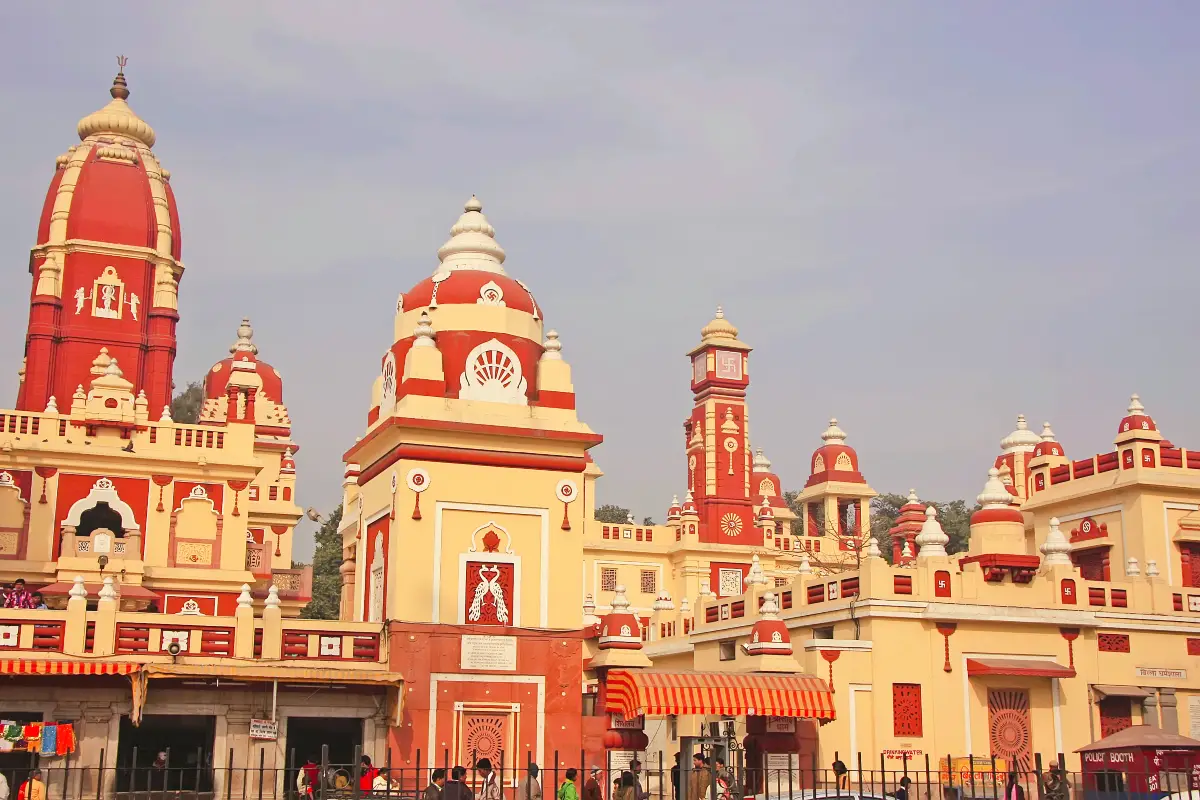
Shri Laxmi Narayan Temple (Birla Mandir)
Historic Place, Monument, Religious Sight
2.0 hours
Built in 1939 by Baldeo Das Birla and inaugurated by Mahatma Gandhi, the Birla Mandir is a landmark of Delhi’s spiritual and cultural heritage. The temple is dedicated to Lord Vishnu (Narayan) and his consort Goddess Laxmi, symbolizing preservatio...
n and prosperity. Its architecture blends traditional Hindu temple design with modern elements, featuring red and yellow domes, intricate carvings, and spacious courtyards. Gandhi insisted that the temple be open to all castes, making it a symbol of inclusivity. (Daily: 4:30 AM – 1:30 PM and 2:30 PM – 9:00 PM)
more info
n and prosperity. Its architecture blends traditional Hindu temple design with modern elements, featuring red and yellow domes, intricate carvings, and spacious courtyards. Gandhi insisted that the temple be open to all castes, making it a symbol of inclusivity. (Daily: 4:30 AM – 1:30 PM and 2:30 PM – 9:00 PM)
Day 2
ISKCON Delhi Temple (Sri Sri Radha Parthasarathi Mandir)
Historic Place, Religious Sight

2.0 hours
Built in 1998 on Hare Krishna Hills in East of Kailash, ISKCON Delhi Temple (Sri Sri Radha Parthasarathi Mandir), is one of the city’s most atmospheric and spiritually vibrant temples, dedicated to Lord Krishna and Radha. Featuring marble sanctums...
, carved wooden doors, and ornate shrines that showcase fine craftsmanship of the late 20th century, it blends modern construction with traditional Vaishnava architecture. {Monday–Sunday: Morning: 4:30 AM – 1:00 PM, Evening: 4:00 PM – 9:00 PM}
more info
, carved wooden doors, and ornate shrines that showcase fine craftsmanship of the late 20th century, it blends modern construction with traditional Vaishnava architecture. {Monday–Sunday: Morning: 4:30 AM – 1:00 PM, Evening: 4:00 PM – 9:00 PM}
Register Suggestion
Action

Trip plan customization, personalized recommendations, special filters Moods and even more is available for registered users.
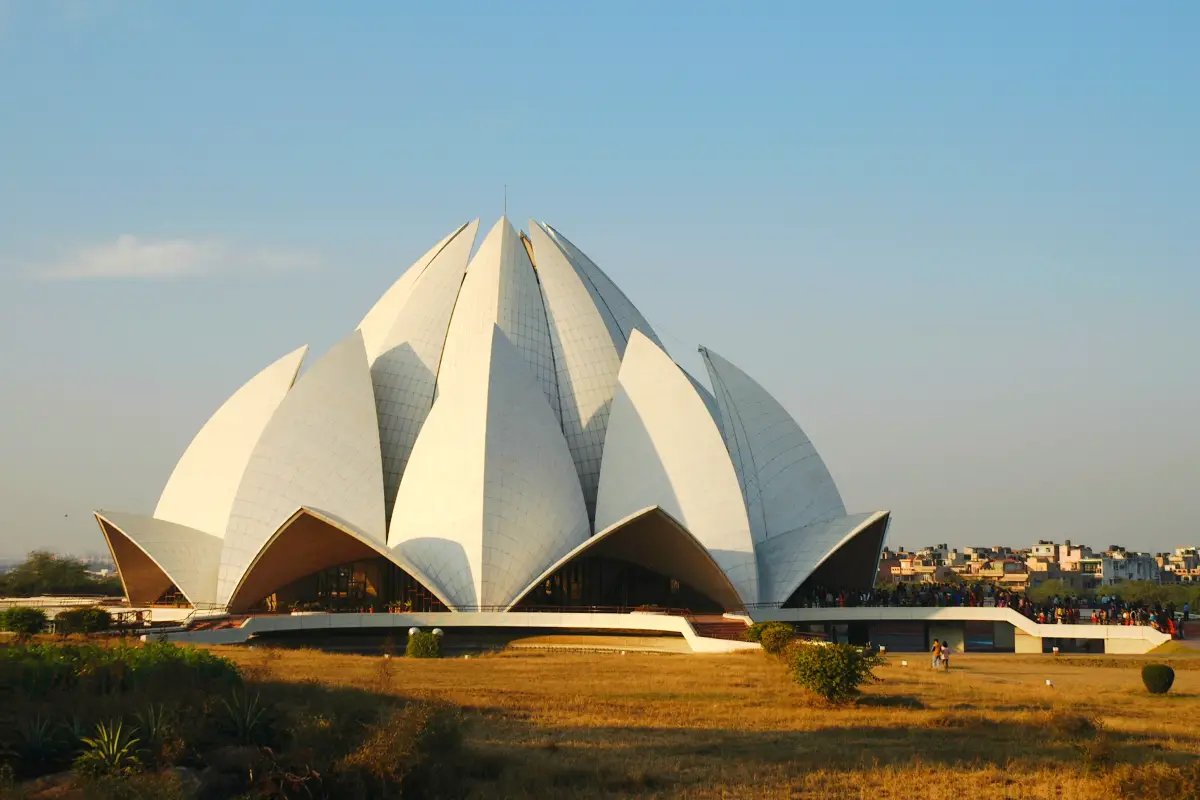
Lotus Temple
Architectural Building, Religious Sight
2.0 hours
Famous for its lotus-shaped design with 27 marble petals, Lotus Temple in New Delhi is a Bahá'í House of Worship, offering a unique blend of stunning architecture, spiritual openness, and peaceful surroundings.
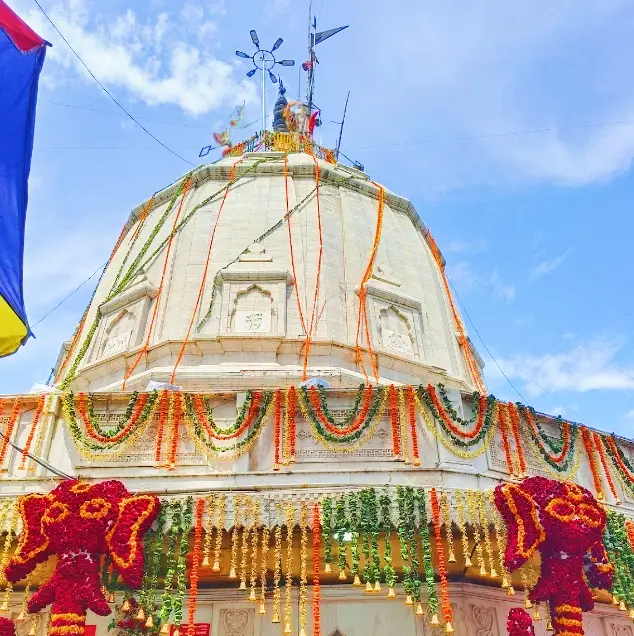
Shri Kalka Ji Mandir
Historic Place, Religious Sight
2.0 hours
Dedicated to Goddess Kali also known as Kalka Devi, Shri Kalka Ji Mandir in South Delhi is one of the city’s oldest and busiest Hindu temples, known for its spiritual energy and vibrant atmosphere. It combines deep spiritual significance, living t...
radition, and easy accessibility in the heart of Delhi. (Daily Schedule: 4:00 AM – 5:30 AM, 6:30 AM – 11:45 AM, 12:15 PM – 3:00 PM, 4:00 PM – 7:30 PM, 8:30 PM – 11:30 PM)
more info
radition, and easy accessibility in the heart of Delhi. (Daily Schedule: 4:00 AM – 5:30 AM, 6:30 AM – 11:45 AM, 12:15 PM – 3:00 PM, 4:00 PM – 7:30 PM, 8:30 PM – 11:30 PM)
Prachin Bhairon Mandir Kalkaji
Historic Place, Religious Sight

2.0 hours
Prachin Bhairon Mandir Kalkaji feels like a hidden spiritual powerhouse tucked into the bustle of Nehru Place. Devotees stream in from dawn, offering prayers to Bhairon Baba — a deity believed to guard against misfortune. The temple is small but i...
ntense, with marble idols and a fierce‑eyed Bhairav as the centerpiece. Unique to this shrine, liquor is offered as prasad, reflecting Bhairav’s mythological fondness for it. Sundays and Navratri see long queues, while nearby stalls (like Sharma’s kachori wala) add a local flavor to the pilgrimage.
more info
ntense, with marble idols and a fierce‑eyed Bhairav as the centerpiece. Unique to this shrine, liquor is offered as prasad, reflecting Bhairav’s mythological fondness for it. Sundays and Navratri see long queues, while nearby stalls (like Sharma’s kachori wala) add a local flavor to the pilgrimage.
Day 3
St. James' Church
Historic Place, Religious Sight
2.0 hours
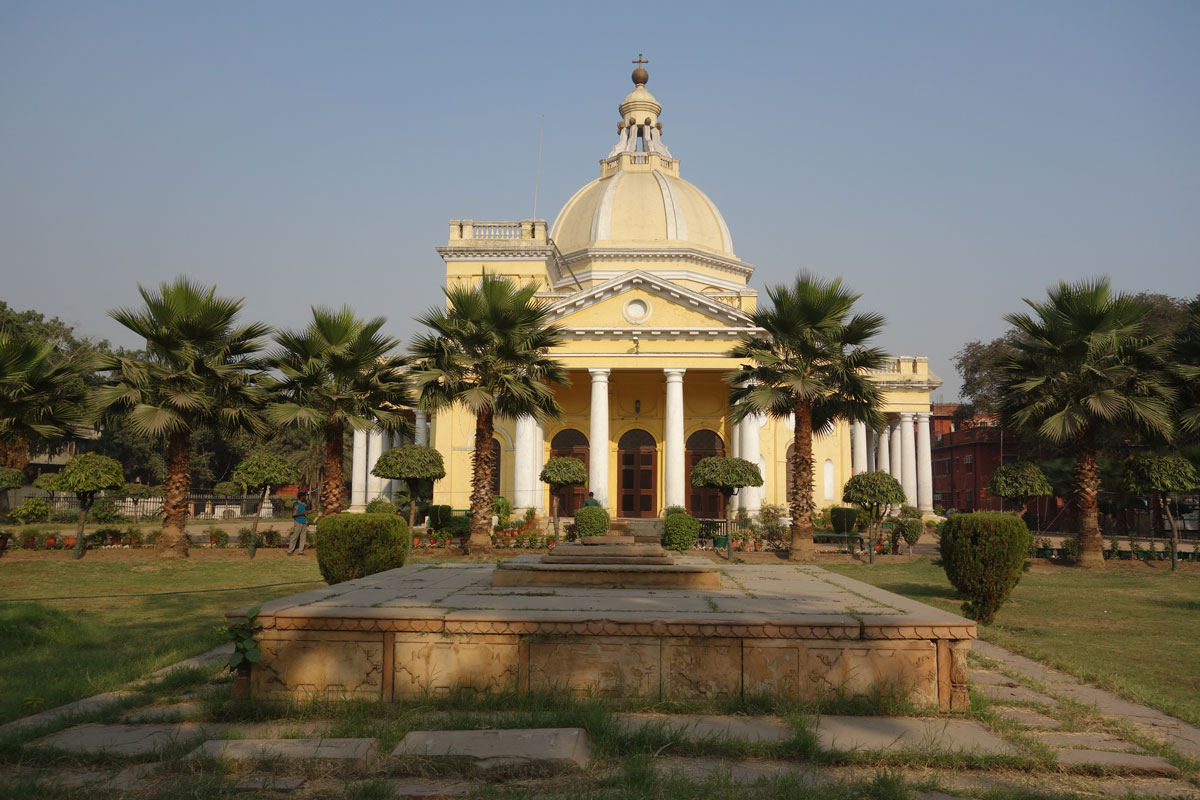
St. James’ Church doesn’t just stand at Kashmere Gate—it breathes with the quiet rhythm of old Delhi. Its soft yellow dome glows like a lantern in the morning light, and the colonial arches seem to whisper stories of soldiers, prayers, and resilie...
nce. Inside, the wooden pews creak gently under the weight of time, while the round ceiling gathers every sound into a hushed echo, creating a sanctuary where silence feels alive. Families wander through its shaded yard, children tracing the patterns of fallen leaves, and the sudden drop in city noise at the gate feels like stepping into a different century. This is not just a church—it is a pause, a reminder that even in Delhi’s restless heart, stillness has a home.
more info
nce. Inside, the wooden pews creak gently under the weight of time, while the round ceiling gathers every sound into a hushed echo, creating a sanctuary where silence feels alive. Families wander through its shaded yard, children tracing the patterns of fallen leaves, and the sudden drop in city noise at the gate feels like stepping into a different century. This is not just a church—it is a pause, a reminder that even in Delhi’s restless heart, stillness has a home.
Gurdwara Sis Ganj Sahib
Historic Place, Monument, Religious Sight
1.0 hours
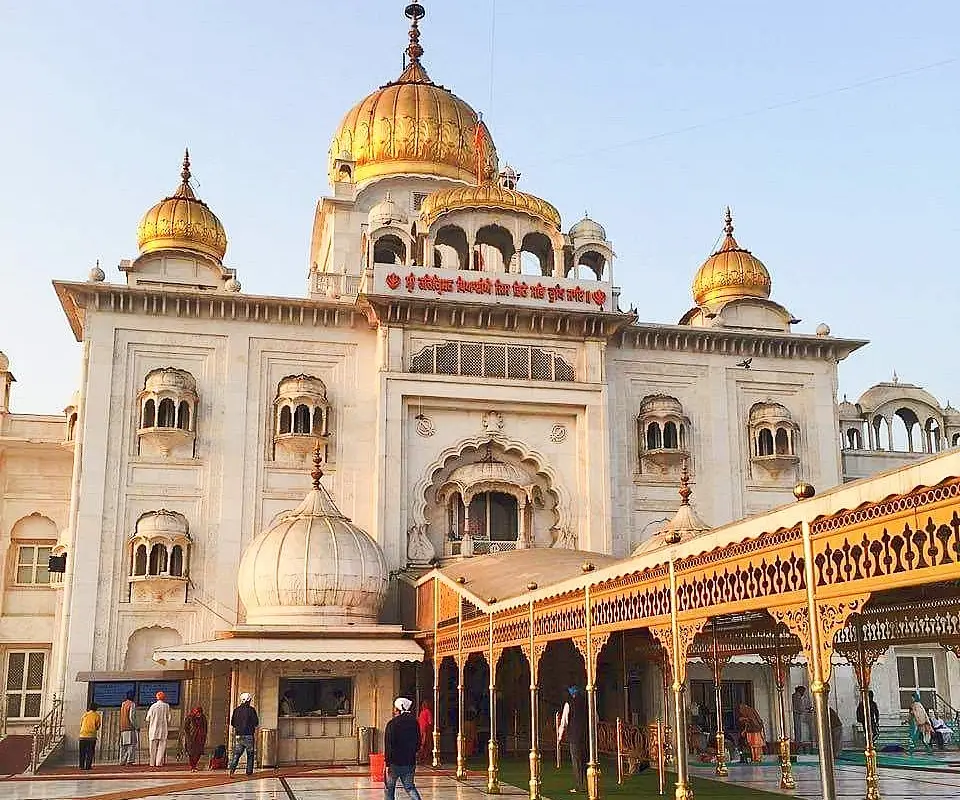
Built in 1783 to commemorate the martyrdom of Guru Tegh Bahadur, the ninth Sikh Guru, Gurdwara Sis Ganj Sahib in Chandni Chowk, Old Delhi, is a historic Sikh shrine a powerful symbol of religious freedom.
Shri Digambar Jain Atishay Kshetra Lal Mandir
Religious Sight

2.0 hours
Stepping into Lal Mandir feels like crossing a threshold between chaos and calm. The red sandstone walls glow against the bustle of Chandni Chowk, their color lending the temple its name. Inside, the air is thick with incense and quiet chants, whi...
le pigeons circle above the courtyard, echoing the rhythm of Old Delhi’s life. The temple is dedicated to Lord Parshvanath, the 23rd Tirthankara, and its shrines radiate a sense of timeless devotion. Adjacent to the temple lies the famous Jain Bird Hospital, where injured birds are treated daily—a living testament to Jain compassion. Lal Mandir is not just a place of worship; it is a sanctuary of peace and service, standing resiliently across centuries of Delhi’s history. (Opening Hours: 5:30 AM – 11:30 AM, 6:00 PM – 9:30 PM)
more info
le pigeons circle above the courtyard, echoing the rhythm of Old Delhi’s life. The temple is dedicated to Lord Parshvanath, the 23rd Tirthankara, and its shrines radiate a sense of timeless devotion. Adjacent to the temple lies the famous Jain Bird Hospital, where injured birds are treated daily—a living testament to Jain compassion. Lal Mandir is not just a place of worship; it is a sanctuary of peace and service, standing resiliently across centuries of Delhi’s history. (Opening Hours: 5:30 AM – 11:30 AM, 6:00 PM – 9:30 PM)
Shri Gauri Shankar Temple - Chandni Chowk, Delhi
Historic Place, Religious Sight

2.0 hours
Shri Gauri Shankar Temple stands as a spiritual anchor in the bustling lanes of Chandni Chowk. Dedicated to Lord Shiva and Goddess Parvati, the temple houses an 800‑year‑old Lingam, encased in marble and surrounded by silver snakes, symbolizing co...
smic energy. Its sanctum radiates devotion, while the temple’s history traces back to a soldier of the Maratha clan who built it in gratitude after surviving a battle injury. Unlike Delhi’s monumental forts and mosques, this temple offers an intimate, devotional experience — a place where the rhythm of daily worship blends seamlessly with centuries of tradition. (Daily: 5:00 AM – 10:00 AM, 5:00 PM – 10:00 PM)
more info
smic energy. Its sanctum radiates devotion, while the temple’s history traces back to a soldier of the Maratha clan who built it in gratitude after surviving a battle injury. Unlike Delhi’s monumental forts and mosques, this temple offers an intimate, devotional experience — a place where the rhythm of daily worship blends seamlessly with centuries of tradition. (Daily: 5:00 AM – 10:00 AM, 5:00 PM – 10:00 PM)
Jama Masjid
Historic Place, Religious Sight
2.0 hours
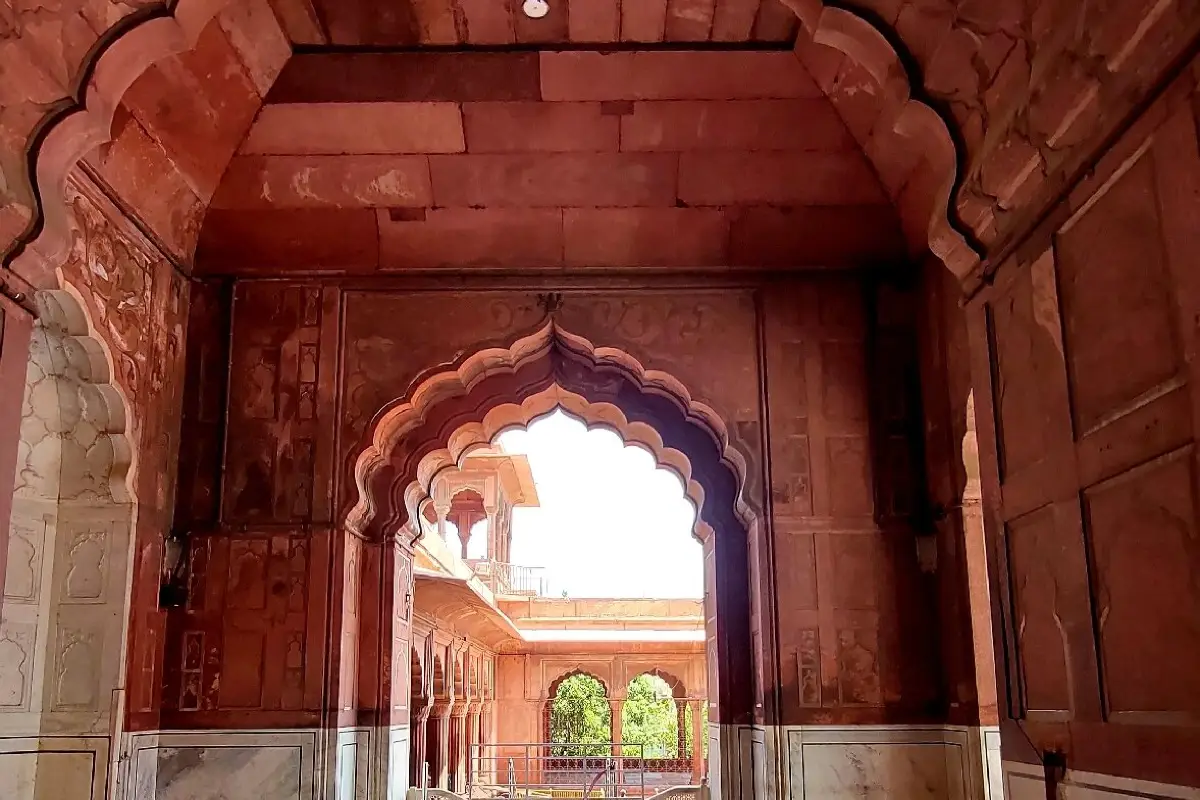
Built by Mughal Emperor Shah Jahan between 1650–1656, Jama Masjid in Old Delhi is India’s largest mosque, accommodating up to 25,000 worshippers and is a masterpiece of Indo-Islamic architecture with red sandstone, marble domes, and towering minar...
ets. It is worth visiting because it is both a spiritual center and a masterpiece of Mughal architecture. {(Daily: 7:00 AM – 12:00 PM, 1:30 PM – 6:30 PM) Closed during prayer times for non-Muslim visitors}
more info
ets. It is worth visiting because it is both a spiritual center and a masterpiece of Mughal architecture. {(Daily: 7:00 AM – 12:00 PM, 1:30 PM – 6:30 PM) Closed during prayer times for non-Muslim visitors}
Day 4
Shri Aadya Katyayani Shakti Peeth (Chhatarpur Temple)
Historic Place, Religious Sight
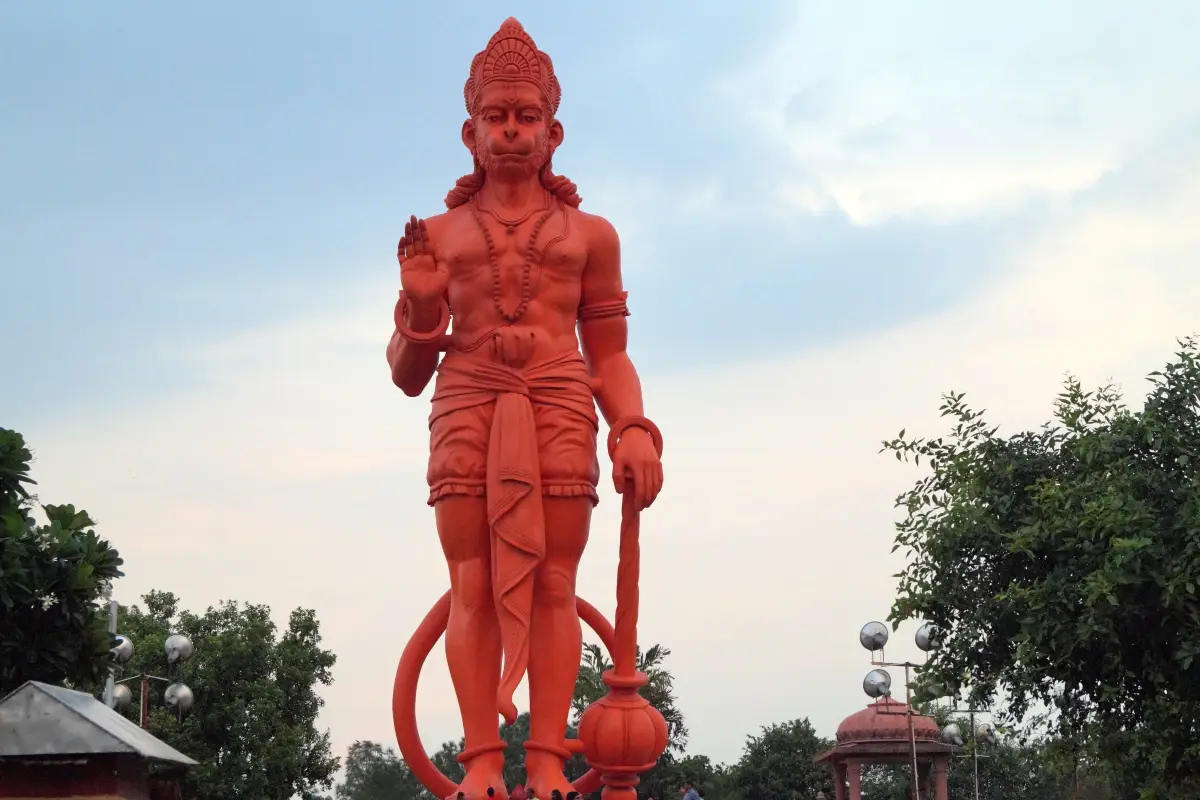
2.0 hours
Nestled in Chhatarpur, on the southwestern edge of New Delhi, the Shri Aadya Katyayani Shakti Peeth is a monumental temple complex that radiates devotion and architectural splendor. Built in 1974 by Baba Sant Nagpal Ji, the temple honors Goddess K...
atyayani, one of the six forms of Maa Durga. Its vast marble courtyards, intricately carved jali facades, and towering spires create an atmosphere of awe and reverence. Visitors are struck by the scale of the complex, which ranks as Delhi’s second-largest temple after Akshardham. The temple’s Vesara-style design, with its blend of northern and southern Indian architectural elements, makes it unique among Delhi’s sacred sites.
more info
atyayani, one of the six forms of Maa Durga. Its vast marble courtyards, intricately carved jali facades, and towering spires create an atmosphere of awe and reverence. Visitors are struck by the scale of the complex, which ranks as Delhi’s second-largest temple after Akshardham. The temple’s Vesara-style design, with its blend of northern and southern Indian architectural elements, makes it unique among Delhi’s sacred sites.
Ahinsa Sthal
Religious Sight

2.0 hours
Ahinsa Sthal feels like a sanctuary of silence in the bustle of South Delhi. Dedicated to Lord Mahavira, the 24th Tirthankara of Jainism, it embodies the principle of ahimsa (non‑violence). The centerpiece is a 13‑foot‑6‑inch statue of Mahavira, s...
eated on a lotus pedestal, radiating serenity. Sculptures around the complex depict teachings on compassion and harmony, while shaded pathways invite visitors to slow down and reflect. Unlike ornamental temples, its charm lies in simplicity — marble courtyards, quiet corners, and the spiritual weight of Jain philosophy, making it both a place of worship and a retreat for meditation.
more info
eated on a lotus pedestal, radiating serenity. Sculptures around the complex depict teachings on compassion and harmony, while shaded pathways invite visitors to slow down and reflect. Unlike ornamental temples, its charm lies in simplicity — marble courtyards, quiet corners, and the spiritual weight of Jain philosophy, making it both a place of worship and a retreat for meditation.
Mehrauli Archaeological Park
Historic Place, Park
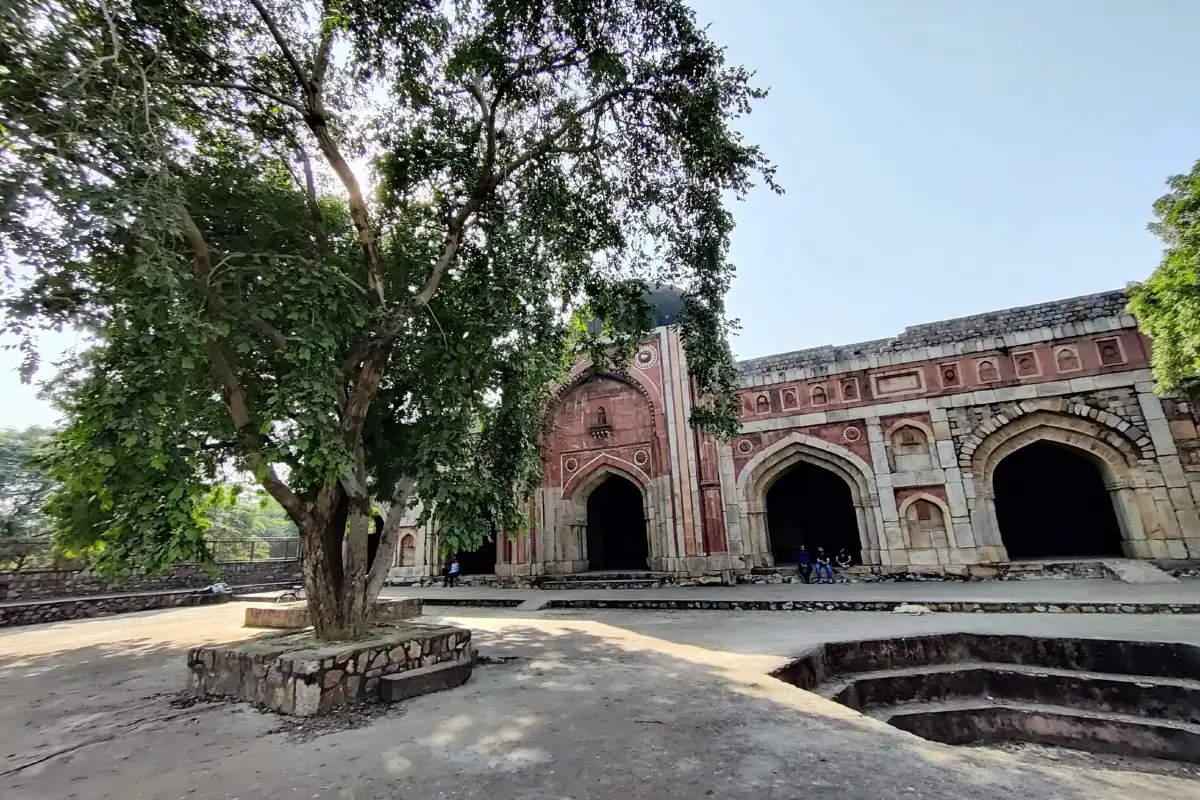
2.0 hours
Imagine owning Delhi’s oldest fort and its surrounding ruins: the Lal Kot walls built by the Tomar Rajputs, the elegant Jamali Kamali mosque and tomb, Balban’s tomb with its early Islamic arches, and stepwells that whisper centuries of stories. Fa...
milies can wander shaded paths, children can explore hidden courtyards, and history enthusiasts find endless layers of dynasties — Tuglaq, Lodi, Mughal, and British — all in one place. It feels like a personal time capsule, where every stone belongs to you.
more info
milies can wander shaded paths, children can explore hidden courtyards, and history enthusiasts find endless layers of dynasties — Tuglaq, Lodi, Mughal, and British — all in one place. It feels like a personal time capsule, where every stone belongs to you.
Qutb Minar
Historic Place, Monument
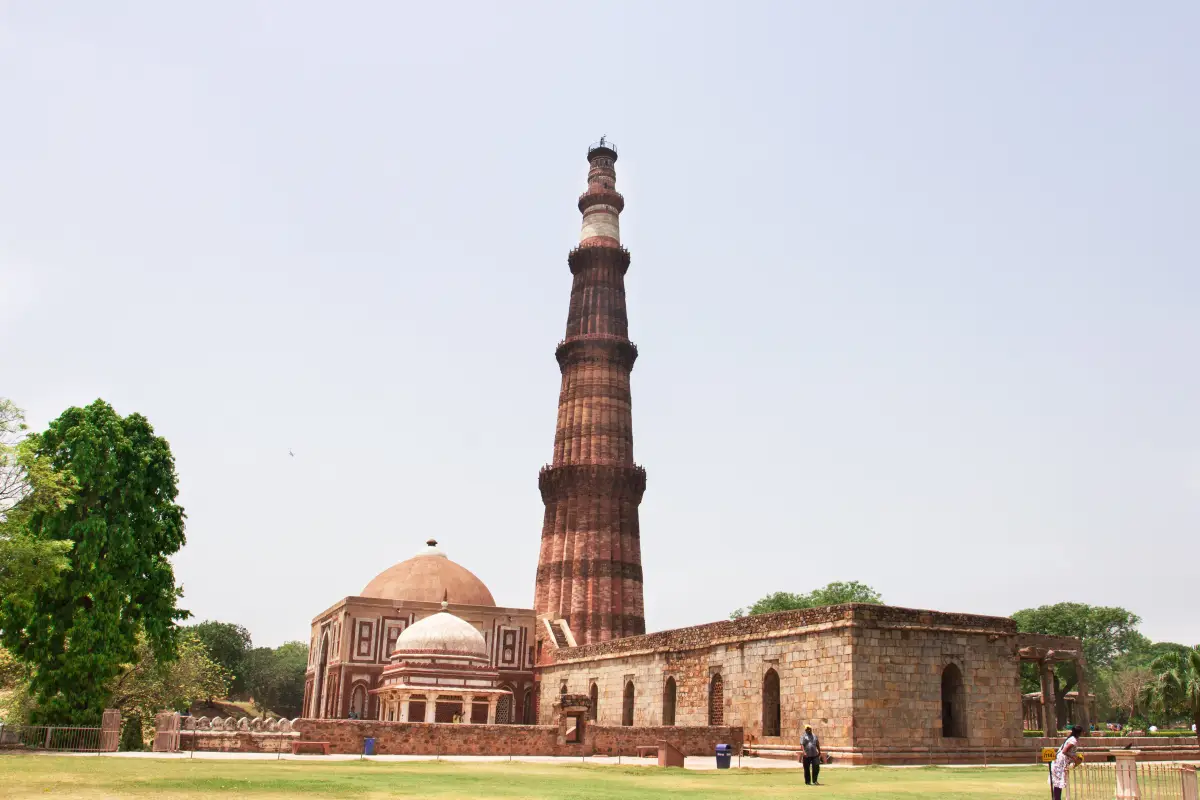
2.0 hours
$7.0
Built in the early 13th century by Qutb-ud-din Aibak and completed by Iltutmish, Qutb Minar in New Delhi is a UNESCO World Heritage Site, standing 72.5 meters tall and is one of Delhi’s most visited monuments, famous for its Indo-Islamic architect...
ure and historical significance. (A fee for photos and videos can be taken)
more info
ure and historical significance. (A fee for photos and videos can be taken)
Day 5
Sri Kilkari Baba Bhaironath Ji Pandav Kalin Mandir
Religious Sight
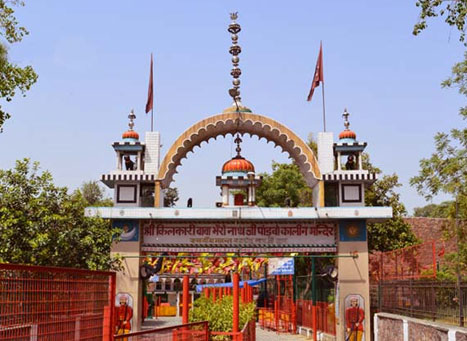
2.0 hours
Sri Kilkari Baba Bhaironath Ji Mandir is one of Delhi’s oldest living shrines, tucked beside the Purana Qila. Its roots trace back to the Pandava era, giving it a mythic resonance that few temples in the city can claim. The temple is dedicated to ...
Bhairon Baba, a fierce yet protective form of Lord Shiva, and its atmosphere blends devotion with folklore. Unlike the polished grandeur of Akshardham or ISKCON, this mandir thrives on raw energy — the clang of bells, the swirl of incense, and the steady stream of devotees who believe Bhairon Baba guards the city. Families find it accessible and deeply cultural, while heritage seekers discover a rare continuity of worship that has survived centuries of Delhi’s shifting empires. (Opening Hours: 5:00 AM – 12:00 PM, 4:00 PM – 9:00 PM)
more info
Bhairon Baba, a fierce yet protective form of Lord Shiva, and its atmosphere blends devotion with folklore. Unlike the polished grandeur of Akshardham or ISKCON, this mandir thrives on raw energy — the clang of bells, the swirl of incense, and the steady stream of devotees who believe Bhairon Baba guards the city. Families find it accessible and deeply cultural, while heritage seekers discover a rare continuity of worship that has survived centuries of Delhi’s shifting empires. (Opening Hours: 5:00 AM – 12:00 PM, 4:00 PM – 9:00 PM)
Shanti Stupa New Delhi
Religious Sight

2.0 hours
The Shanti Stupa feels like a serene island of calm in the middle of Delhi’s bustle. Built as part of the Nipponzan Myohoji Buddhist order’s global peace pagoda initiative, its white dome rises above landscaped gardens, symbolizing harmony and non...
‑violence. Visitors often describe the atmosphere as meditative — a place where silence, greenery, and the stupa’s gleaming structure combine to create a spiritual pause.
more info
‑violence. Visitors often describe the atmosphere as meditative — a place where silence, greenery, and the stupa’s gleaming structure combine to create a spiritual pause.
Indraprastha Park
Fountain, Park
2.0 hours
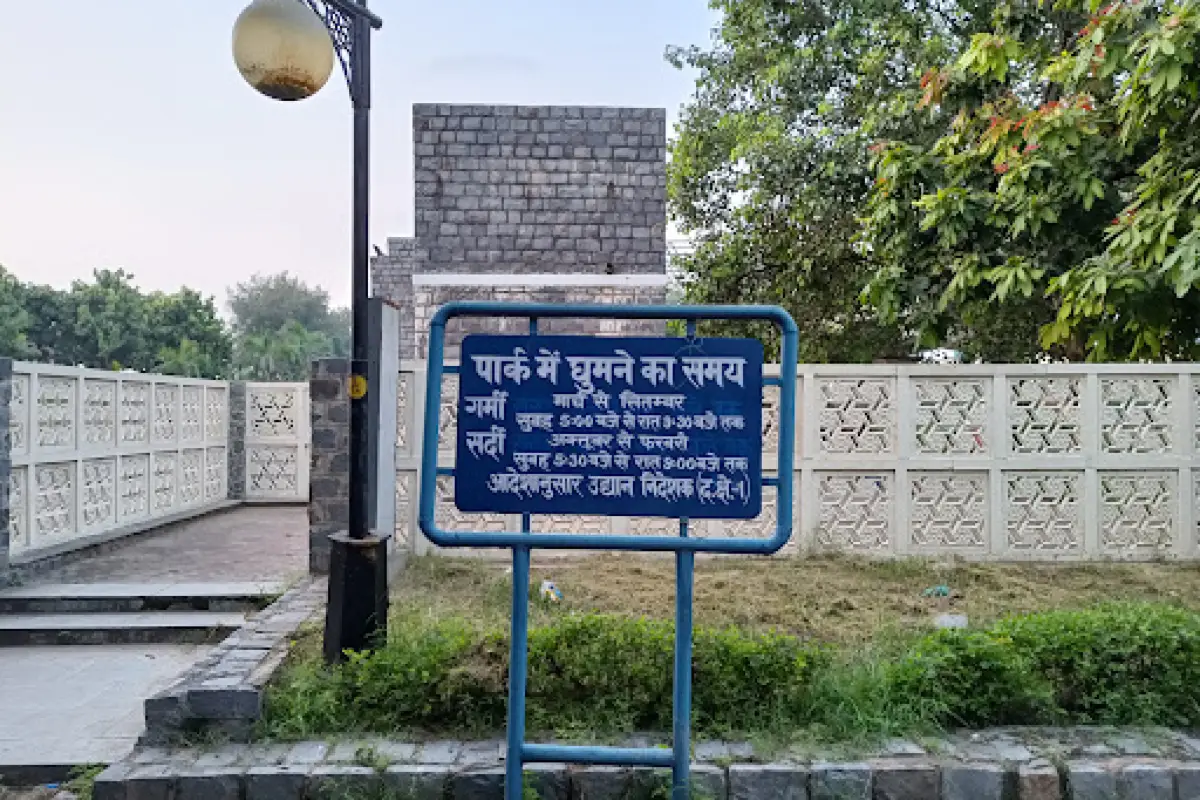
Indraprastha Park feels like Delhi’s green lung — a vast expanse where the city’s chaos fades into birdsong and open skies. Built in 2004 on reclaimed land, the park’s wide lawns, shaded pathways, and fountains create a refreshing retreat. Familie...
s spread picnic blankets under trees, children race along the jogging tracks, and couples find quiet corners near the landscaped gardens. Unlike the historic monuments of Delhi, this park offers a living, breathing escape — a place where the atmosphere is defined by leisure and community rather than stone and history.
more info
s spread picnic blankets under trees, children race along the jogging tracks, and couples find quiet corners near the landscaped gardens. Unlike the historic monuments of Delhi, this park offers a living, breathing escape — a place where the atmosphere is defined by leisure and community rather than stone and history.
Day 6
Hazrat Nizamuddin Dargah Baoli
Religious Sight

2.0 hours
The Baoli at Hazrat Nizamuddin Dargah feels like a hidden heartbeat beneath Delhi’s chaos. Its stone steps descend into cool silence, where water shimmers with centuries of faith and legend. Pilgrims pause at the edge, believing the spring carries...
healing power, while the surrounding dargah hums with qawwalis and prayers. The baoli is not just architecture — it is a living memory of devotion, resilience, and community, a place where history and spirituality flow together like the water it holds.
more info
healing power, while the surrounding dargah hums with qawwalis and prayers. The baoli is not just architecture — it is a living memory of devotion, resilience, and community, a place where history and spirituality flow together like the water it holds.
Swaminarayan Akshardham
Historic Place, Religious Sight
4.0 hours
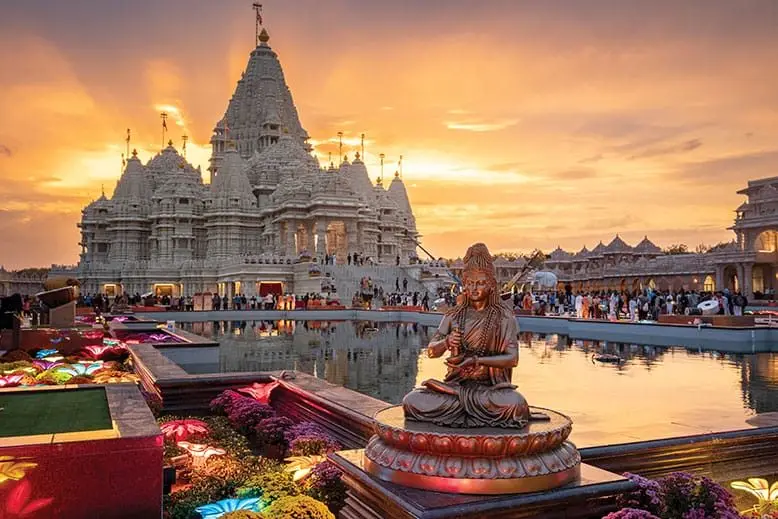
Built from pink sandstone and white marble, without steel, symbolizing timelessness, Swaminarayan Akshardham in New Delhi is one of the largest Hindu temple complexes in the world, renowned for its intricately carved sandstone and marble structure...
s, vast gardens, exhibitions and spectacular evening water show, making it one of Delhi’s most engaging family destinations. (Entry to the temple and gardens is free, while exhibitions and the musical fountain have ticketed fees.)
more info
s, vast gardens, exhibitions and spectacular evening water show, making it one of Delhi’s most engaging family destinations. (Entry to the temple and gardens is free, while exhibitions and the musical fountain have ticketed fees.)
1/1
To customize the circuit, you need an account.
