World Heritage Site of Agra
7 days long
Advised budget $68
India
-
Agra
Culture and Art - 75%
City Walk - 14%
Nature - 10%
Other - 1%
City Walk - 14%
Nature - 10%
Other - 1%
Day 1
Taj Mahal
Historic Place

2.0 hours
$12.0
The Taj Mahal is not just marble and symmetry — it is a breath held in stone. Standing before it, you feel time slow: the Yamuna River drifts quietly behind, while the dome glows like a pearl that changes with the sun. At dawn, it blushes with sof...
t pinks; at dusk, it burns golden; under the moon, it becomes almost translucent, as if love itself had taken shape. Families wander its gardens, photographers chase the perfect reflection, and yet, despite the crowds, there is always a hush — a reverence that reminds you this is less a monument than a promise carved into eternity.
more info
t pinks; at dusk, it burns golden; under the moon, it becomes almost translucent, as if love itself had taken shape. Families wander its gardens, photographers chase the perfect reflection, and yet, despite the crowds, there is always a hush — a reverence that reminds you this is less a monument than a promise carved into eternity.
Mughal Garden
Historic Place, Park

2.0 hours
$3.0
The Mughal Garden (Ram Bagh) is Agra’s earliest experiment in paradise on earth. Designed by Babur, the first Mughal emperor, it reflects Persian Charbagh ideals — quadrants divided by flowing water channels, shaded by trees, and scented with flow...
ers. Unlike the monumental Taj Mahal, Ram Bagh feels contemplative: a retreat where emperors sought rest and reflection. Its fountains, pools, and pavilions were meant to mirror the sky, creating a sense of cosmic harmony. Though time has softened its grandeur, the garden still whispers of Mughal leisure — birdsong, rustling leaves, and the gentle trickle of water. For visitors, it offers a quieter, more intimate glimpse of Mughal aesthetics, away from the crowds.
more info
ers. Unlike the monumental Taj Mahal, Ram Bagh feels contemplative: a retreat where emperors sought rest and reflection. Its fountains, pools, and pavilions were meant to mirror the sky, creating a sense of cosmic harmony. Though time has softened its grandeur, the garden still whispers of Mughal leisure — birdsong, rustling leaves, and the gentle trickle of water. For visitors, it offers a quieter, more intimate glimpse of Mughal aesthetics, away from the crowds.
Taj Museum
Museum/Gallery

2.0 hours
$8.0
The Taj Museum is a hidden chamber of stories within the Taj Mahal itself. While most visitors marvel at the marble mausoleum, few step into this intimate space where the monument’s soul is laid bare. Established in 1982, the museum preserves Mugh...
al-era artifacts that reveal how the Taj was conceived, built, and revered. Here you’ll find ivory portraits of Shah Jahan and Mumtaz Mahal, miniature paintings, calligraphy, jade bowls, celadon dishes said to detect poison, and even the architectural blueprints of the Taj Mahal. The galleries unfold like a narrative: weapons and coins from the Mughal court, manuscripts of Persian epics, and photographs chronicling conservation efforts. It is less a museum than a time capsule, offering a rare chance to see the Taj Mahal not just as a symbol of love, but as a living project of art, engineering, and empire.
more info
al-era artifacts that reveal how the Taj was conceived, built, and revered. Here you’ll find ivory portraits of Shah Jahan and Mumtaz Mahal, miniature paintings, calligraphy, jade bowls, celadon dishes said to detect poison, and even the architectural blueprints of the Taj Mahal. The galleries unfold like a narrative: weapons and coins from the Mughal court, manuscripts of Persian epics, and photographs chronicling conservation efforts. It is less a museum than a time capsule, offering a rare chance to see the Taj Mahal not just as a symbol of love, but as a living project of art, engineering, and empire.
I LOVE AGRA photo point
Photospot
2.0 hours
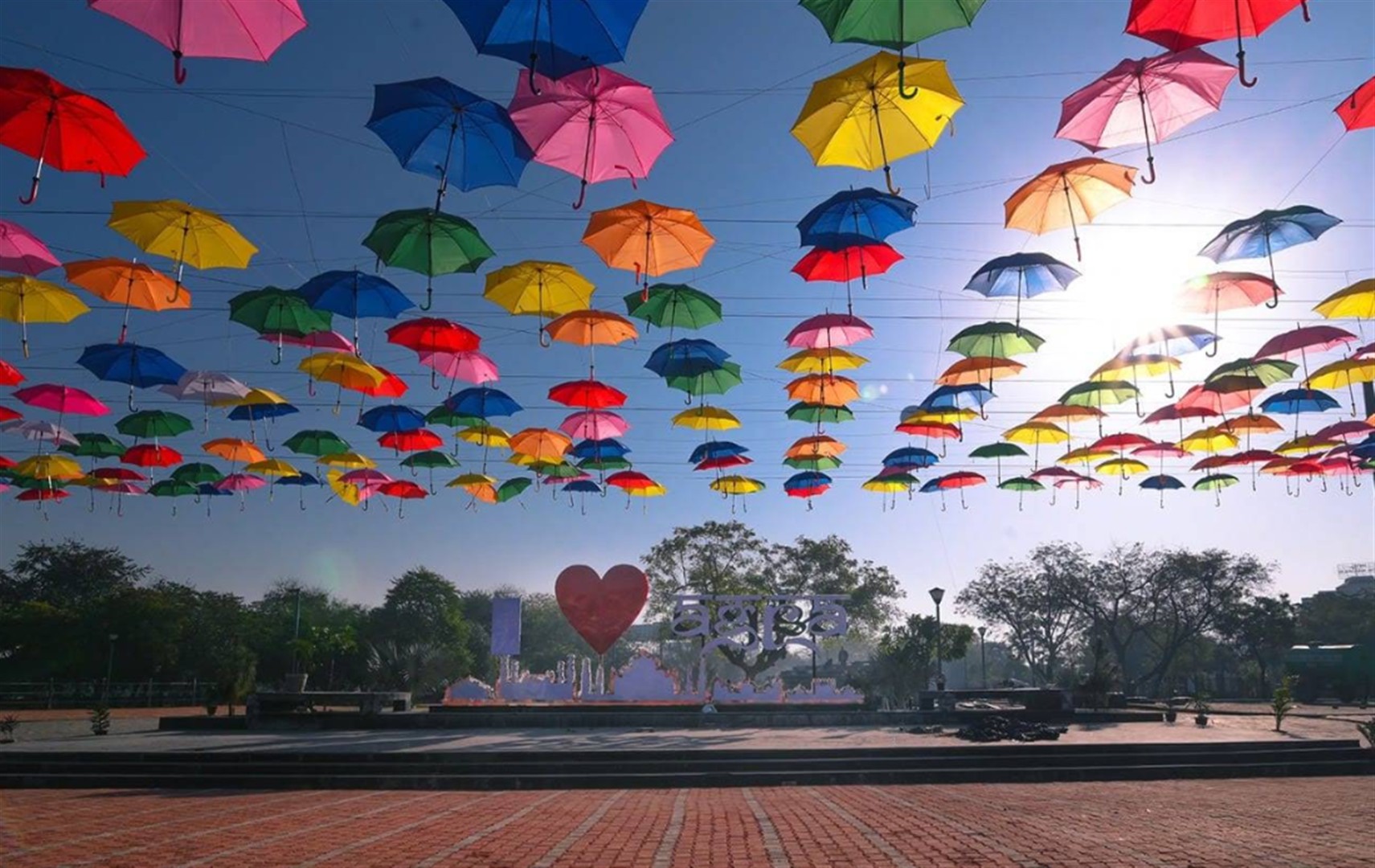
The “I LOVE AGRA” photo point is Agra’s modern icon — a brightly lit installation that spells out the city’s name in bold letters, symbolizing pride and love for the heritage capital. Positioned on Fatehabad Road near the Taj East Metro Station, i...
t offers a perfect blend of tradition and modernity. The backdrop includes landscaped gardens, a small park, and event platforms where cultural programs and band performances are occasionally held. At night, the illuminated signage creates a vibrant atmosphere, making it a favorite for couples, families, and solo travelers alike.
more info
t offers a perfect blend of tradition and modernity. The backdrop includes landscaped gardens, a small park, and event platforms where cultural programs and band performances are occasionally held. At night, the illuminated signage creates a vibrant atmosphere, making it a favorite for couples, families, and solo travelers alike.
Day 2
Itmad-ud-Daula
Historic Place

2.0 hours
$4.0
Itmad-ud-Daula is often called the “Baby Taj,” but it deserves its own identity. Built between 1622 and 1628 by Empress Nur Jahan for her father, Mirza Ghiyas Beg, this tomb is the first Mughal monument made entirely of white marble. Its lattice s...
creens glow like delicate embroidery in stone, and its pietra dura inlay work foreshadows the artistry perfected later in the Taj Mahal. Unlike the Taj, the tomb sits at the center of its Charbagh garden, framed by four slender corner towers. The Yamuna River flows quietly behind, offering tranquil views that make the site feel more intimate than its grander cousin. Walking through its halls, you sense not just imperial ambition but filial devotion — a daughter’s tribute that became a masterpiece.
more info
creens glow like delicate embroidery in stone, and its pietra dura inlay work foreshadows the artistry perfected later in the Taj Mahal. Unlike the Taj, the tomb sits at the center of its Charbagh garden, framed by four slender corner towers. The Yamuna River flows quietly behind, offering tranquil views that make the site feel more intimate than its grander cousin. Walking through its halls, you sense not just imperial ambition but filial devotion — a daughter’s tribute that became a masterpiece.
Register Suggestion
Action

Trip plan customization, personalized recommendations, special filters Moods and even more is available for registered users.
Chini Ka Rauza
Historic Place
2.0 hours
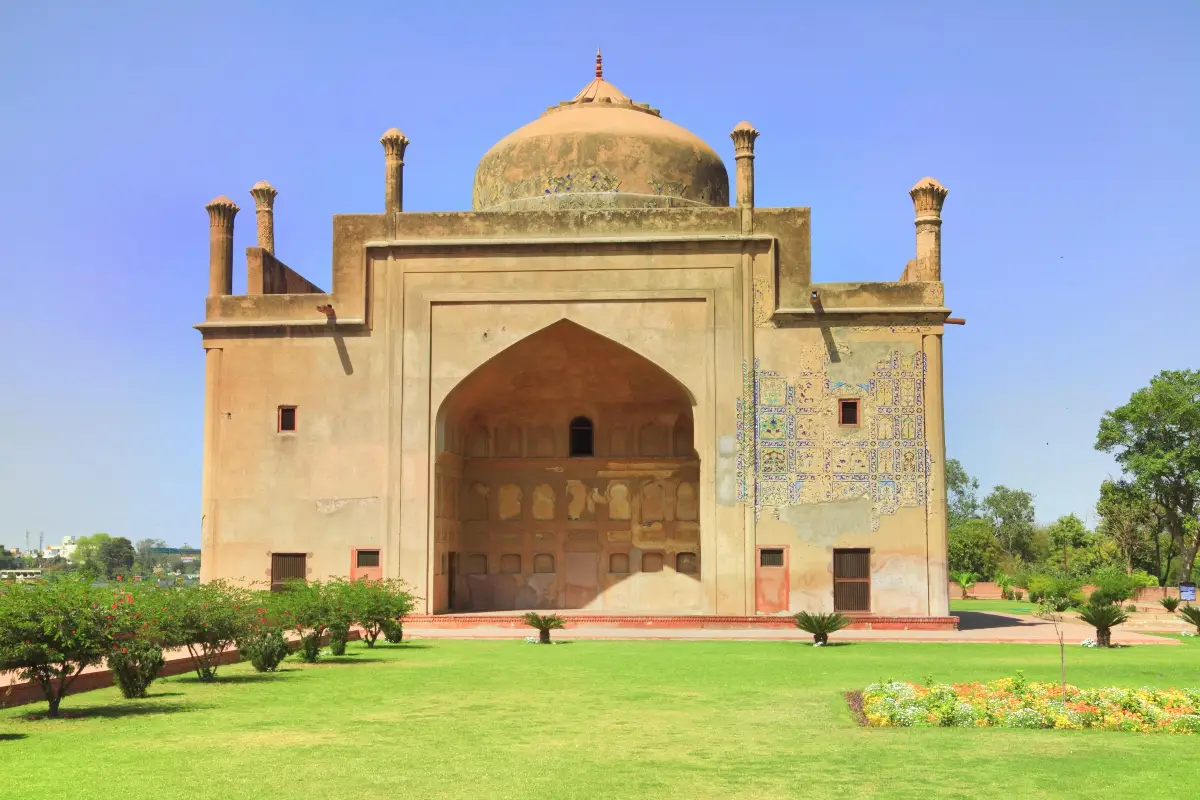
Chini Ka Rauza is Agra’s hidden Persian gem, built in 1635 as the tomb of Afzal Khan Shirazi, Shah Jahan’s poet‑scholar and prime minister. Its name — “China Tomb” — comes from the exquisite glazed tilework in turquoise, orange, and yellow, remini...
scent of Chinese ceramics. Unlike the marble perfection of the Taj, this monument celebrates color and calligraphy, with Quranic verses inscribed on its walls. Standing on the Yamuna’s eastern bank, it feels both scholarly and spiritual, a quiet retreat for those who appreciate art beyond grandeur.
more info
scent of Chinese ceramics. Unlike the marble perfection of the Taj, this monument celebrates color and calligraphy, with Quranic verses inscribed on its walls. Standing on the Yamuna’s eastern bank, it feels both scholarly and spiritual, a quiet retreat for those who appreciate art beyond grandeur.
Aram Bagh
Historic Place, Park

2.0 hours
$3.0
Aram Bagh, meaning “Garden of Rest,” is the oldest Mughal garden in India, laid out by Emperor Babur in 1528. It was Babur’s temporary resting place before his remains were moved to Kabul. The garden embodies the Persian Charbagh style, divided in...
to quadrants by water channels, terraces, and cascades. Jahangir later restored it, and Nur Jahan added her own mausoleum here. Unlike the grandeur of the Taj Mahal, Aram Bagh feels contemplative — shaded pavilions, flowing water, and quiet corners where emperors once reflected. It is a living piece of Mughal philosophy: harmony between man, nature, and faith.
more info
to quadrants by water channels, terraces, and cascades. Jahangir later restored it, and Nur Jahan added her own mausoleum here. Unlike the grandeur of the Taj Mahal, Aram Bagh feels contemplative — shaded pavilions, flowing water, and quiet corners where emperors once reflected. It is a living piece of Mughal philosophy: harmony between man, nature, and faith.
Shri Krishna Garden
Park, Religious Sight
2.0 hours
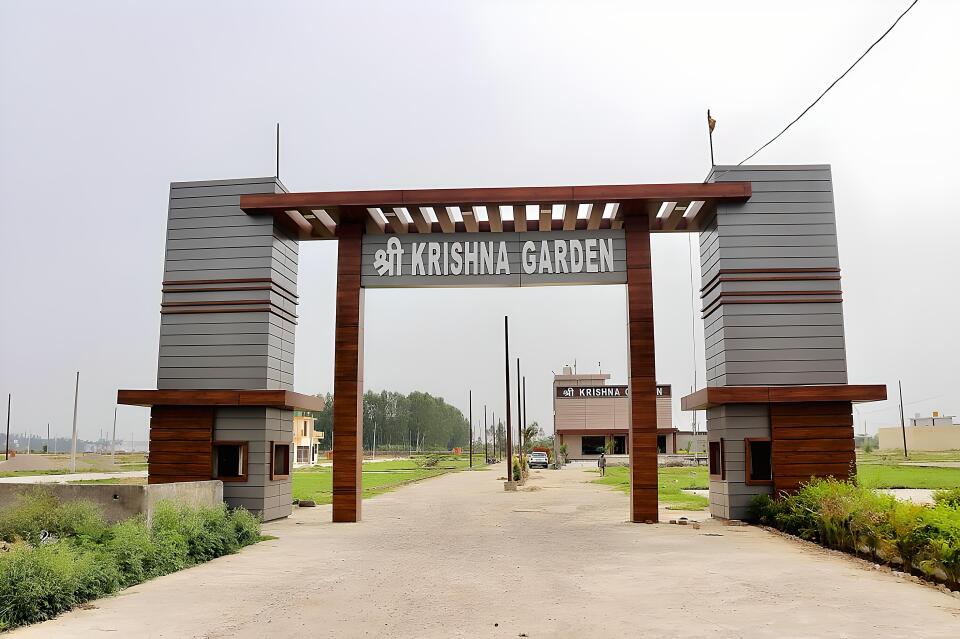
Shri Krishna Garden feels like a devotional retreat wrapped in greenery. It is not a grand Mughal charbagh but a quieter, more intimate space where flowering beds and shaded paths frame statues and shrines dedicated to Lord Krishna. The garden’s a...
tmosphere blends reverence with leisure — families stroll past lotus ponds, devotees pause for prayer, and children chase each other across open lawns. It is a place where spirituality and everyday life meet, offering both calm reflection and community gathering.
more info
tmosphere blends reverence with leisure — families stroll past lotus ponds, devotees pause for prayer, and children chase each other across open lawns. It is a place where spirituality and everyday life meet, offering both calm reflection and community gathering.
Day 3
Guru Ka Tal
Historic Place, Religious Sight
2.0 hours
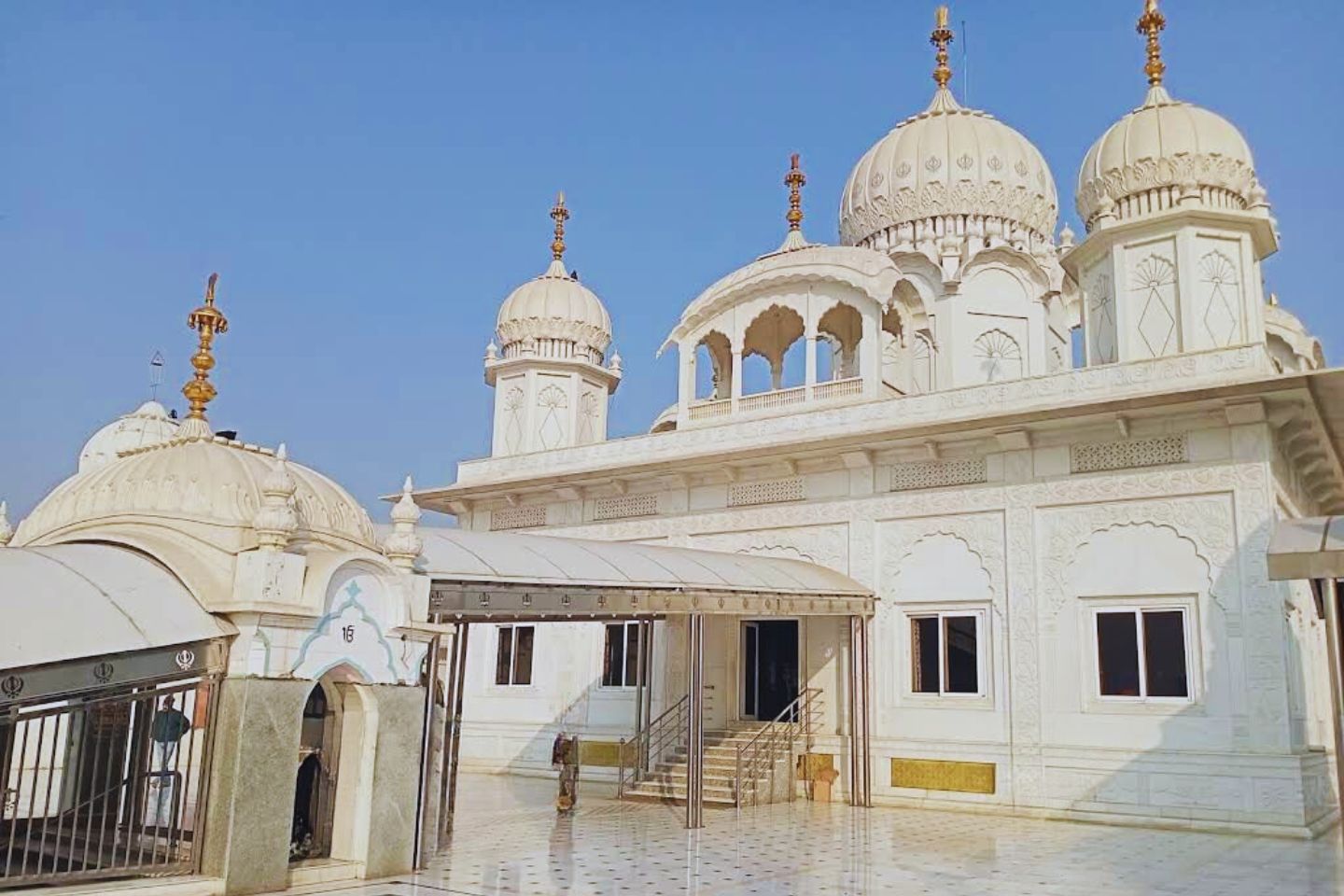
Guru Ka Taal is not just a gurudwara — it is a reservoir of faith carved into red sandstone. Originally built in 1610 to collect rainwater, it later became sacred when Guru Tegh Bahadur Ji chose this very spot to stand against religious persecutio...
n. Today, its domes and towers rise with quiet dignity, eight of the original twelve still resilient against time. Inside, the white marble shrine glows with serenity, while the Bhora Sahib — where the Guru spent nine days in confinement — remains a place of deep reverence. The air hums with kirtan, and the Langar ensures no visitor leaves hungry. Gardens shaped into animal forms add a touch of whimsy, reminding you that devotion here is both solemn and welcoming. For pilgrims and travelers alike, Guru Ka Taal is a living testament to courage, sacrifice, and community.
more info
n. Today, its domes and towers rise with quiet dignity, eight of the original twelve still resilient against time. Inside, the white marble shrine glows with serenity, while the Bhora Sahib — where the Guru spent nine days in confinement — remains a place of deep reverence. The air hums with kirtan, and the Langar ensures no visitor leaves hungry. Gardens shaped into animal forms add a touch of whimsy, reminding you that devotion here is both solemn and welcoming. For pilgrims and travelers alike, Guru Ka Taal is a living testament to courage, sacrifice, and community.
Kanch Mahal
Architectural Building, Historic Place

2.0 hours
$3.0
Kanch Mahal, near Sikandra, is a jewel box of Mughal architecture. Built during Jahangir’s reign in the early 17th century, it once served as a royal hunting lodge and later as a retreat for noblewomen. Its name — “Palace of Glass” — comes from th...
e shimmering red sandstone walls inlaid with delicate glazed tiles. Unlike the grandeur of Agra Fort or the Taj Mahal, Kanch Mahal feels intimate, almost secretive, with arched verandas, lattice windows, and quiet courtyards. The building’s symmetry and ornamentation reflect the Mughal love of balance, while its smaller scale makes it approachable, almost domestic. Walking through, you sense the blend of leisure and luxury that defined Mughal aristocratic life.
more info
e shimmering red sandstone walls inlaid with delicate glazed tiles. Unlike the grandeur of Agra Fort or the Taj Mahal, Kanch Mahal feels intimate, almost secretive, with arched verandas, lattice windows, and quiet courtyards. The building’s symmetry and ornamentation reflect the Mughal love of balance, while its smaller scale makes it approachable, almost domestic. Walking through, you sense the blend of leisure and luxury that defined Mughal aristocratic life.
Tomb of Akbar
Historic Place

2.0 hours
$4.0
The Tomb of Akbar is not just a mausoleum — it is a statement of an emperor’s vision. Built between 1605 and 1613, Akbar himself chose Sikandra as his final resting place and oversaw much of its design before his death. Unlike most Mughal tombs th...
at face Mecca, this one faces the rising sun, symbolizing Akbar’s secular outlook and openness to multiple faiths. The five‑storey structure rises like a pyramid, blending red sandstone with intricate marble inlays, while the top floor — entirely white marble — houses the cenotaph in elegant simplicity. The surrounding Charbagh gardens are alive with antelopes, monkeys, and peacocks, making the site feel less like a graveyard and more like a living sanctuary. Walking through its grand gateways, you sense both imperial power and personal humility — a rare combination that makes Akbar’s Tomb unique among Mughal monuments.
more info
at face Mecca, this one faces the rising sun, symbolizing Akbar’s secular outlook and openness to multiple faiths. The five‑storey structure rises like a pyramid, blending red sandstone with intricate marble inlays, while the top floor — entirely white marble — houses the cenotaph in elegant simplicity. The surrounding Charbagh gardens are alive with antelopes, monkeys, and peacocks, making the site feel less like a graveyard and more like a living sanctuary. Walking through its grand gateways, you sense both imperial power and personal humility — a rare combination that makes Akbar’s Tomb unique among Mughal monuments.
Sikandra Fort
Architectural Building, Historic Place
2.0 hours
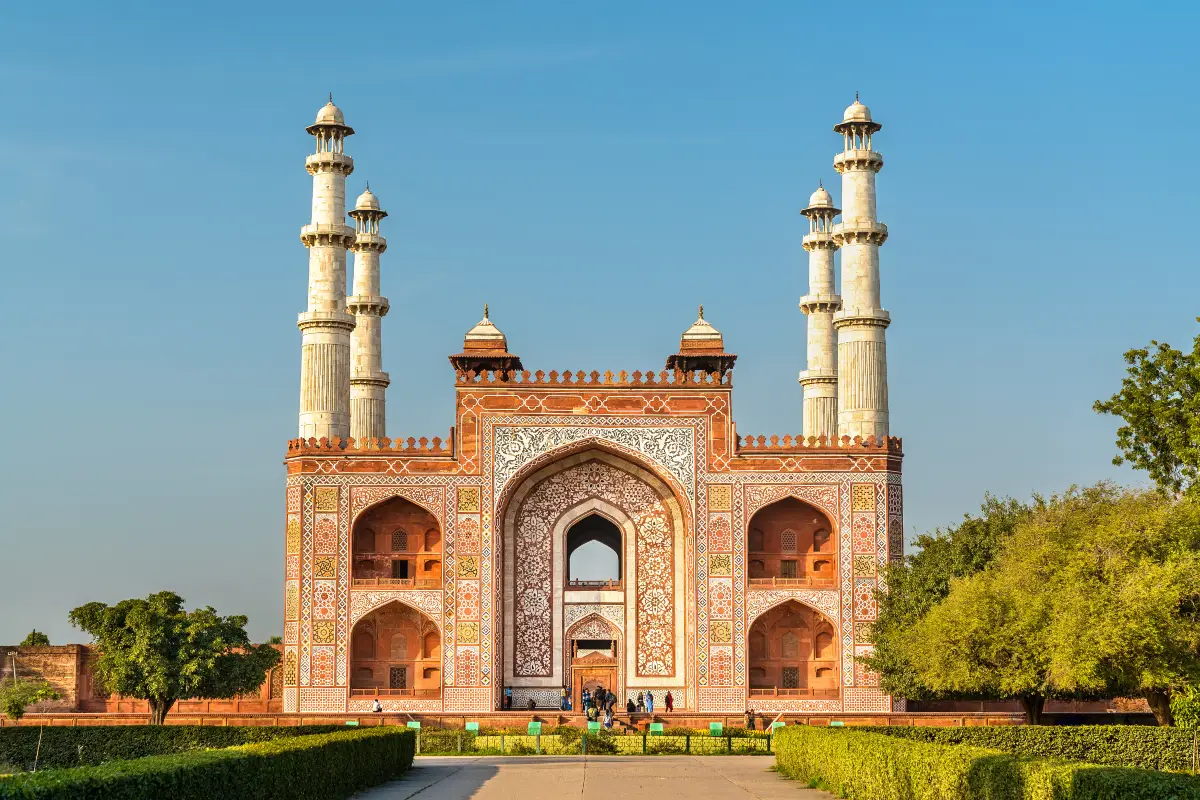
Sikandra Fort, more accurately Akbar’s Tomb, is less a fortress than a mausoleum — a grand statement of an emperor’s vision. Akbar himself chose the site and began construction, blending motifs from Hindu, Christian, Islamic, Buddhist, and Jain tr...
aditions to reflect his secular outlook. Completed by his son Jahangir in 1613, the five‑storey structure rises like a truncated pyramid, with red sandstone on the lower levels and pure white marble crowning the top. The surrounding 119 acres of Charbagh gardens are alive with peacocks, monkeys, and antelopes, creating a sanctuary where history and nature coexist. The tomb’s gateways, cloisters, and inlay work showcase Mughal artistry at its peak, while the serene atmosphere makes it one of Agra’s most contemplative sites.
more info
aditions to reflect his secular outlook. Completed by his son Jahangir in 1613, the five‑storey structure rises like a truncated pyramid, with red sandstone on the lower levels and pure white marble crowning the top. The surrounding 119 acres of Charbagh gardens are alive with peacocks, monkeys, and antelopes, creating a sanctuary where history and nature coexist. The tomb’s gateways, cloisters, and inlay work showcase Mughal artistry at its peak, while the serene atmosphere makes it one of Agra’s most contemplative sites.
Kailash mandir
Historic Place, Religious Sight

Kailash Mandir is steeped in mythology, believed to date back nearly 5,000 years to the Treta Yuga. Legend holds that Lord Parshuram and his father, sage Jamadagni, received two Shivlings from Lord Shiva himself, which they installed here when the...
y could not move them further. This makes the temple unique — it houses two Shivlings in a single argha (base), a rare feature in India. The temple sits on the banks of the Yamuna, blending natural serenity with spiritual devotion. Its atmosphere is deeply traditional: devotees arrive in simple attire, bells ring during morning and evening aarti, and fairs during the month of Shravan transform the site into a vibrant festival ground. Despite being surrounded by modern homes and local priest families, the temple retains its aura of antiquity, with architecture that feels both ancient and preserved. Visitors often remark on the peaceful energy and the cool breeze from the Yamuna, making it a place of reflection as much as worship.
more info
y could not move them further. This makes the temple unique — it houses two Shivlings in a single argha (base), a rare feature in India. The temple sits on the banks of the Yamuna, blending natural serenity with spiritual devotion. Its atmosphere is deeply traditional: devotees arrive in simple attire, bells ring during morning and evening aarti, and fairs during the month of Shravan transform the site into a vibrant festival ground. Despite being surrounded by modern homes and local priest families, the temple retains its aura of antiquity, with architecture that feels both ancient and preserved. Visitors often remark on the peaceful energy and the cool breeze from the Yamuna, making it a place of reflection as much as worship.
Day 4
Taj Yamuna View Point
Photospot
2.0 hours
$3.0
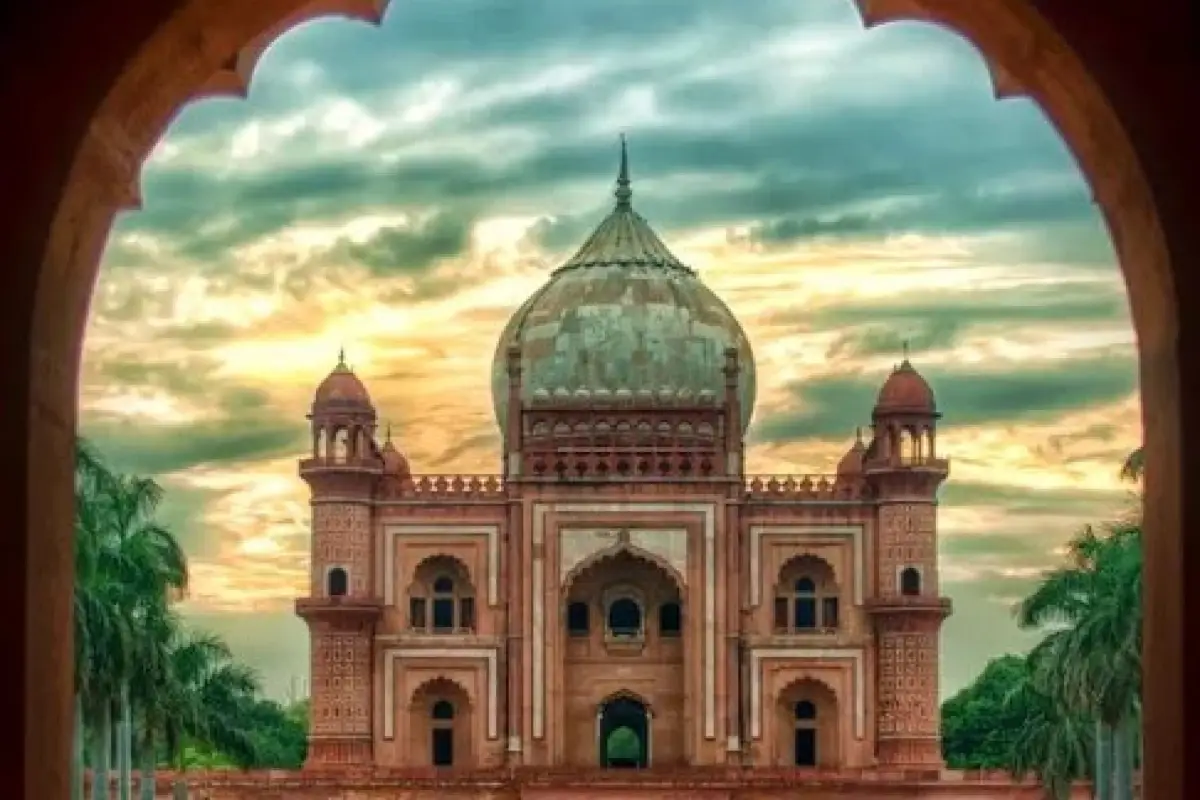
Taj Yamuna View Point is Agra’s quiet alternative to the Taj Mahal’s main gates. Located along the Yamuna River near Mehtab Bagh, it offers uninterrupted vistas of the Taj without the crowds or high entry fees. At dawn, the mausoleum glows golden;...
at dusk, it reflects the fiery sky; and under moonlight, it shimmers like silver. Locals gather here for evening walks, while travelers find it a contemplative perch to admire Shah Jahan’s masterpiece from across the water. Unlike the manicured symmetry of the Taj gardens, this viewpoint feels raw and natural — the riverbank, the hum of village life, and the timeless silhouette of the Taj Mahal rising beyond. {Evening (Sunset–Midnight): $6}
more info
at dusk, it reflects the fiery sky; and under moonlight, it shimmers like silver. Locals gather here for evening walks, while travelers find it a contemplative perch to admire Shah Jahan’s masterpiece from across the water. Unlike the manicured symmetry of the Taj gardens, this viewpoint feels raw and natural — the riverbank, the hum of village life, and the timeless silhouette of the Taj Mahal rising beyond. {Evening (Sunset–Midnight): $6}
Taj View Point ADA
Photospot
2.0 hours
$3.0
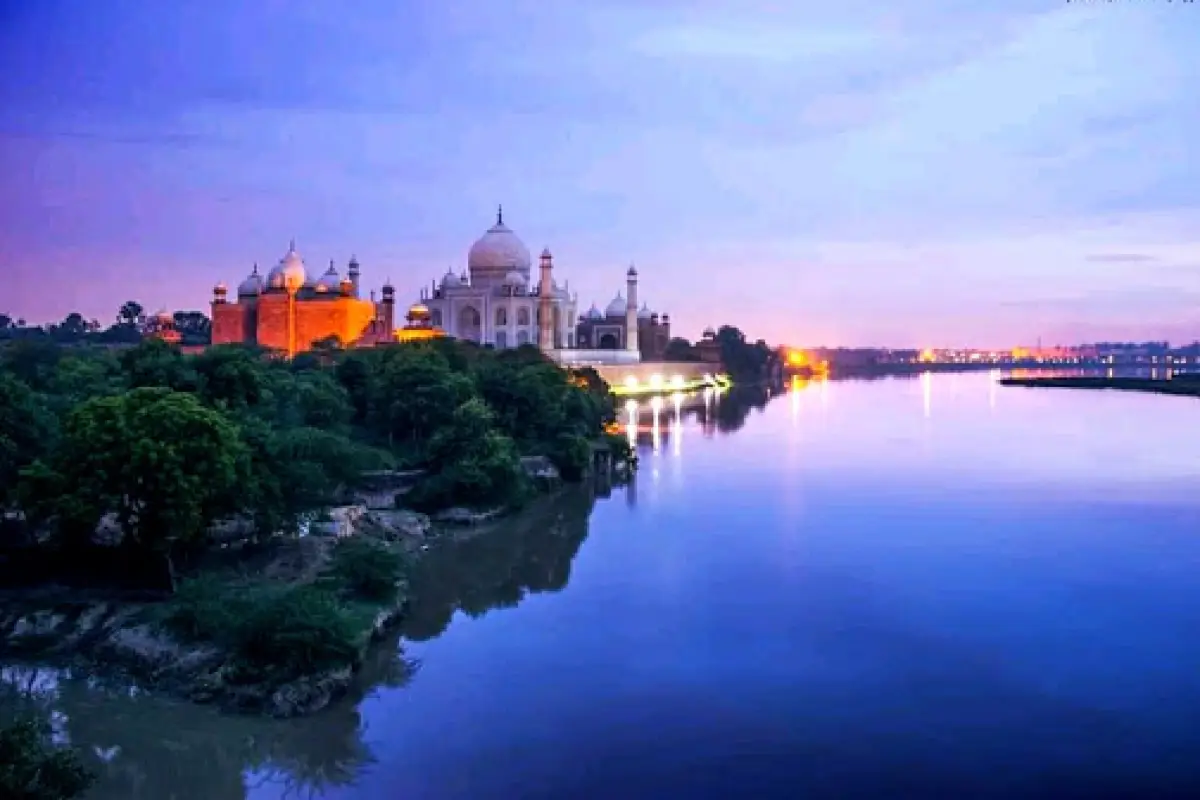
Developed by the Agra Development Authority, Taj View Point ADA offers one of the most serene panoramas of the Taj Mahal across the Yamuna River. Landscaped gardens, benches, and telescopes enhance the experience, while camel rides and food stalls...
add local flavor. Unlike the crowded main complex, this viewpoint allows visitors to admire the Taj in peace — glowing golden at sunset, milky white at noon, and ethereal under full moonlight. It is especially valuable on Fridays when the Taj Mahal itself is closed. (Sunset–Midnight: $6, Sunrise–Sunset: $3)
more info
add local flavor. Unlike the crowded main complex, this viewpoint allows visitors to admire the Taj in peace — glowing golden at sunset, milky white at noon, and ethereal under full moonlight. It is especially valuable on Fridays when the Taj Mahal itself is closed. (Sunset–Midnight: $6, Sunrise–Sunset: $3)
Mehtab Bagh
Historic Place, Park

2.0 hours
$4.0
Mehtab Bagh feels like the Taj Mahal’s secret mirror. Built in the late 16th century by Emperor Babur and later refined by Shah Jahan, the garden was designed to align perfectly with the Taj across the Yamuna. Its Charbagh layout — four quadrants ...
divided by water channels — creates a sense of balance and serenity. At sunset, the Taj glows across the river, reflected in the garden’s pools, while the air carries the fragrance of blooming flowers and fruit trees. Legends whisper that Shah Jahan dreamed of building a black marble mausoleum here, opposite the Taj, though history left only the garden. Today, Mehtab Bagh is a photographer’s paradise and a quiet retreat from Agra’s crowds — a place where the Taj can be admired in silence, framed by greenery and moonlight.
more info
divided by water channels — creates a sense of balance and serenity. At sunset, the Taj glows across the river, reflected in the garden’s pools, while the air carries the fragrance of blooming flowers and fruit trees. Legends whisper that Shah Jahan dreamed of building a black marble mausoleum here, opposite the Taj, though history left only the garden. Today, Mehtab Bagh is a photographer’s paradise and a quiet retreat from Agra’s crowds — a place where the Taj can be admired in silence, framed by greenery and moonlight.
Day 5
Mazaar Shaheed E Salis Qazi Nurullah Shustari
Historic Place, Monument

2.0 hours
Mazaar Shaheed‑e‑Salis Qazi Nurullah Shustari feels less like a monument and more like a pulse of memory. The shrine sits quietly in Agra, its modest walls carrying the weight of centuries, yet it radiates a dignity that outshines grandeur. Step i...
nside and the air thickens with reverence—pilgrims whisper prayers that seem to weave themselves into the stone. The mazar is not about spectacle; it is about resilience. Each corner recalls the scholar’s courage, each prayer rug echoes his sacrifice. Families arrive with offerings, scholars pause in reflection, and the silence between chants feels alive, as if history itself is breathing. This is not just a tomb—it is a living testament to conviction, a place where devotion and defiance meet in harmony.
more info
nside and the air thickens with reverence—pilgrims whisper prayers that seem to weave themselves into the stone. The mazar is not about spectacle; it is about resilience. Each corner recalls the scholar’s courage, each prayer rug echoes his sacrifice. Families arrive with offerings, scholars pause in reflection, and the silence between chants feels alive, as if history itself is breathing. This is not just a tomb—it is a living testament to conviction, a place where devotion and defiance meet in harmony.
Rawli Temple Agra
Religious Sight
2.0 hours
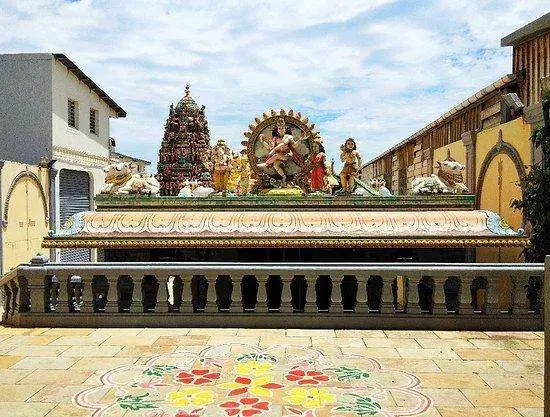
https://wRawli Maharaj Temple is less about grandeur and more about devotion. Nestled along Agra’s busy M.G. Road, the temple offers a pocket of serenity where incense smoke curls above the sanctum and chants echo softly against the stone walls. D...
edicated to Lord Shiva, it draws a steady stream of worshippers who come to make wishes and offer prayers. Mondays, sacred to Shiva, transform the temple into a vibrant hub of faith, with doubled crowds and a palpable energy. For visitors, it is both a spiritual retreat and a glimpse into Agra’s living traditions, contrasting the city’s Mughal monuments with its enduring Hindu devotion.
more info
edicated to Lord Shiva, it draws a steady stream of worshippers who come to make wishes and offer prayers. Mondays, sacred to Shiva, transform the temple into a vibrant hub of faith, with doubled crowds and a palpable energy. For visitors, it is both a spiritual retreat and a glimpse into Agra’s living traditions, contrasting the city’s Mughal monuments with its enduring Hindu devotion.
Subhash Emporium
Architectural Building, Museum/Gallery
2.0 hours
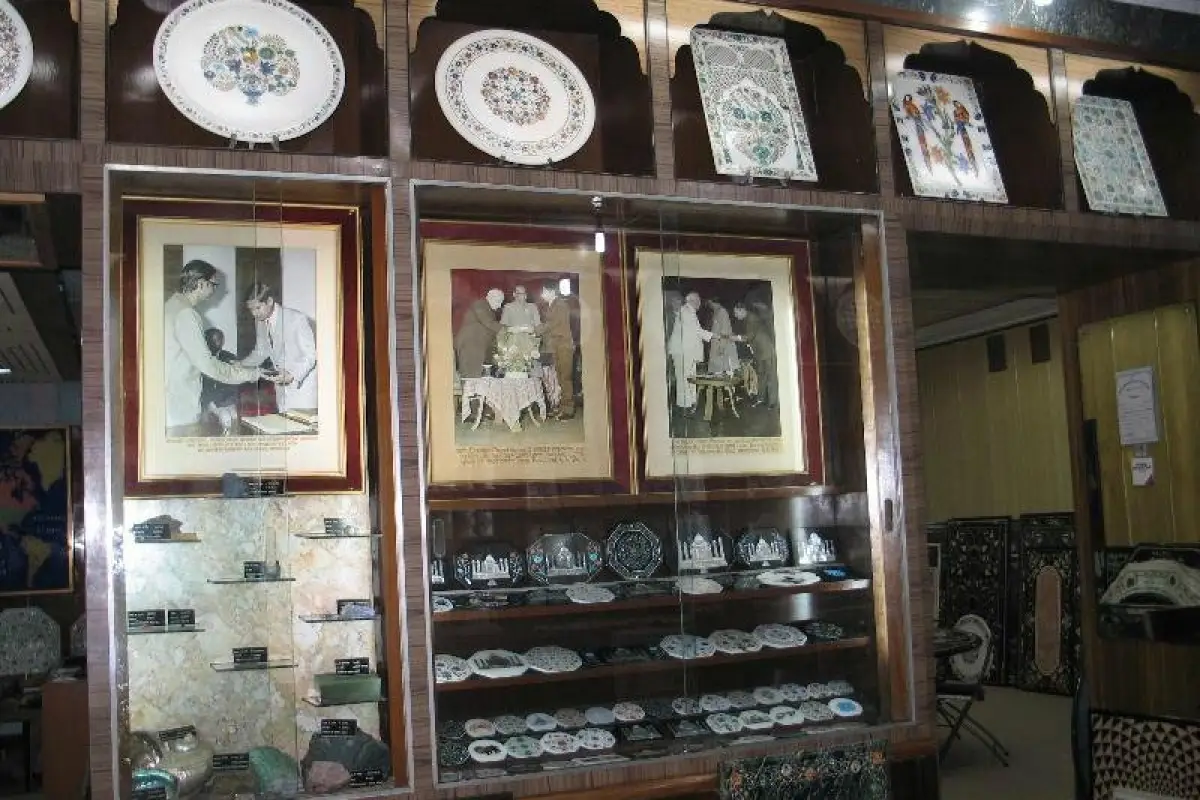
Subhash Emporium is less a shop and more a living museum of Mughal artistry. The moment you step inside, polished marble gleams under soft lighting, each surface alive with delicate inlay patterns of lapis lazuli, malachite, and mother‑of‑pearl. C...
raftsmen here continue the centuries‑old tradition once perfected at the Taj Mahal, chiseling semi‑precious stones into floral motifs that seem to bloom from the stone itself. Visitors often describe the experience as walking through a gallery where every table, box, or panel is a piece of timeless heritage. Unlike tourist‑market imitations, Subhash Emporium emphasizes authenticity—each piece is certified, and the artisans are descendants of those who worked on Agra’s monuments. It is a place where shopping feels like cultural preservation.
more info
raftsmen here continue the centuries‑old tradition once perfected at the Taj Mahal, chiseling semi‑precious stones into floral motifs that seem to bloom from the stone itself. Visitors often describe the experience as walking through a gallery where every table, box, or panel is a piece of timeless heritage. Unlike tourist‑market imitations, Subhash Emporium emphasizes authenticity—each piece is certified, and the artisans are descendants of those who worked on Agra’s monuments. It is a place where shopping feels like cultural preservation.
Ram Leela Park
Park
2.0 hours
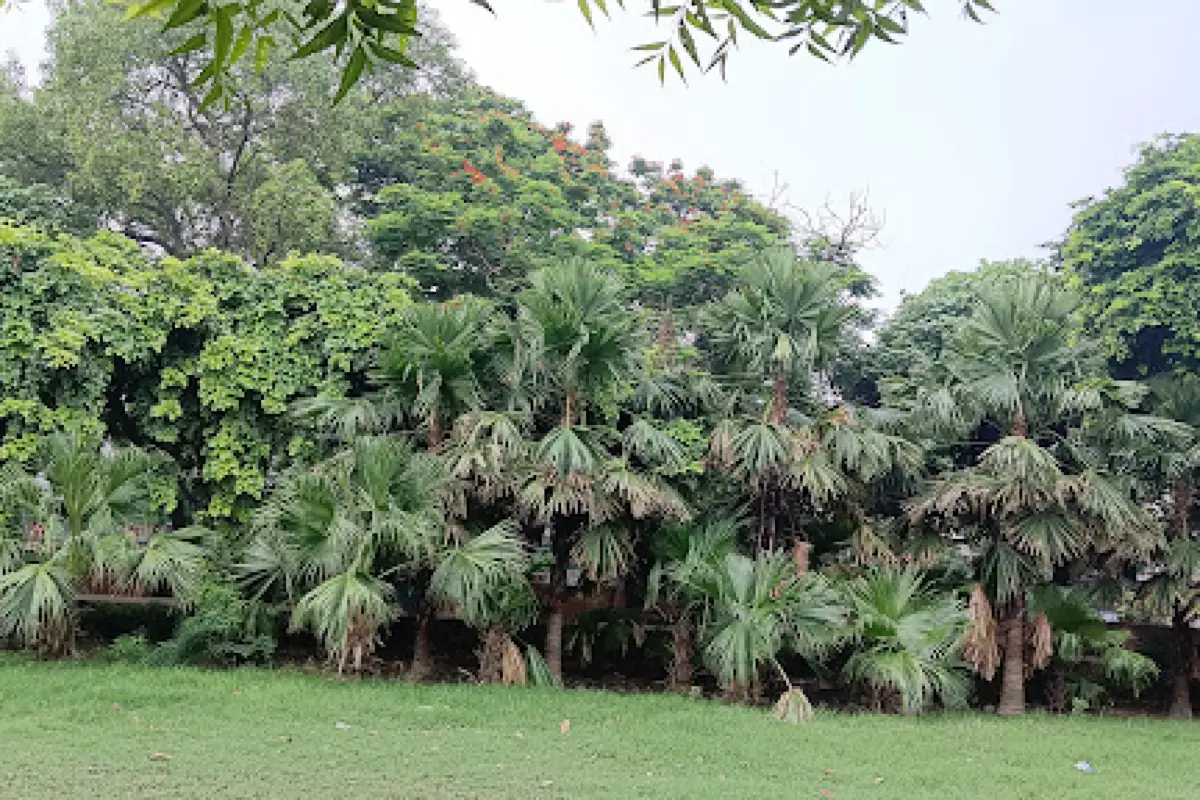
Ram Leela Park is more than a neighborhood park — it’s a stage for Agra’s cultural heartbeat. By day, it’s a tranquil retreat with manicured gardens and shaded paths where locals stroll or families picnic. By festival season, especially Dussehra, ...
the park transforms into a lively arena with performances of the Ram Leela, echoing centuries of tradition. The dual identity — serene green escape and cultural showcase — makes it a distinctive attraction in Shah Ganj. Visitors often praise its cleanliness and greenery, though the presence of monkeys can occasionally disrupt the calm.
more info
the park transforms into a lively arena with performances of the Ram Leela, echoing centuries of tradition. The dual identity — serene green escape and cultural showcase — makes it a distinctive attraction in Shah Ganj. Visitors often praise its cleanliness and greenery, though the presence of monkeys can occasionally disrupt the calm.
Day 6
Agra Fort
Architectural Building, Historic Place

2.0 hours
$7.0
Agra Fort feels less like a fortress and more like a walled city where echoes of empire linger. Its red sandstone ramparts rise like a flame against the Yamuna River, enclosing palaces, halls, and gardens that once defined Mughal grandeur. Walking...
through Diwan-i-Aam, you sense the weight of public judgment; in Diwan-i-Khas, whispers of private counsel still cling to the marble. Jahangir’s Palace and Khas Mahal reveal the softer side of royalty — domestic spaces where power met intimacy. From Musamman Burj, Shah Jahan gazed at the Taj Mahal, imprisoned yet tethered to his creation. The fort is not just architecture; it is a chronicle of ambition, betrayal, and beauty, alive in every corridor.
more info
through Diwan-i-Aam, you sense the weight of public judgment; in Diwan-i-Khas, whispers of private counsel still cling to the marble. Jahangir’s Palace and Khas Mahal reveal the softer side of royalty — domestic spaces where power met intimacy. From Musamman Burj, Shah Jahan gazed at the Taj Mahal, imprisoned yet tethered to his creation. The fort is not just architecture; it is a chronicle of ambition, betrayal, and beauty, alive in every corridor.
Anguri Bagh
Historic Place, Park
1.0 hours
$7.0
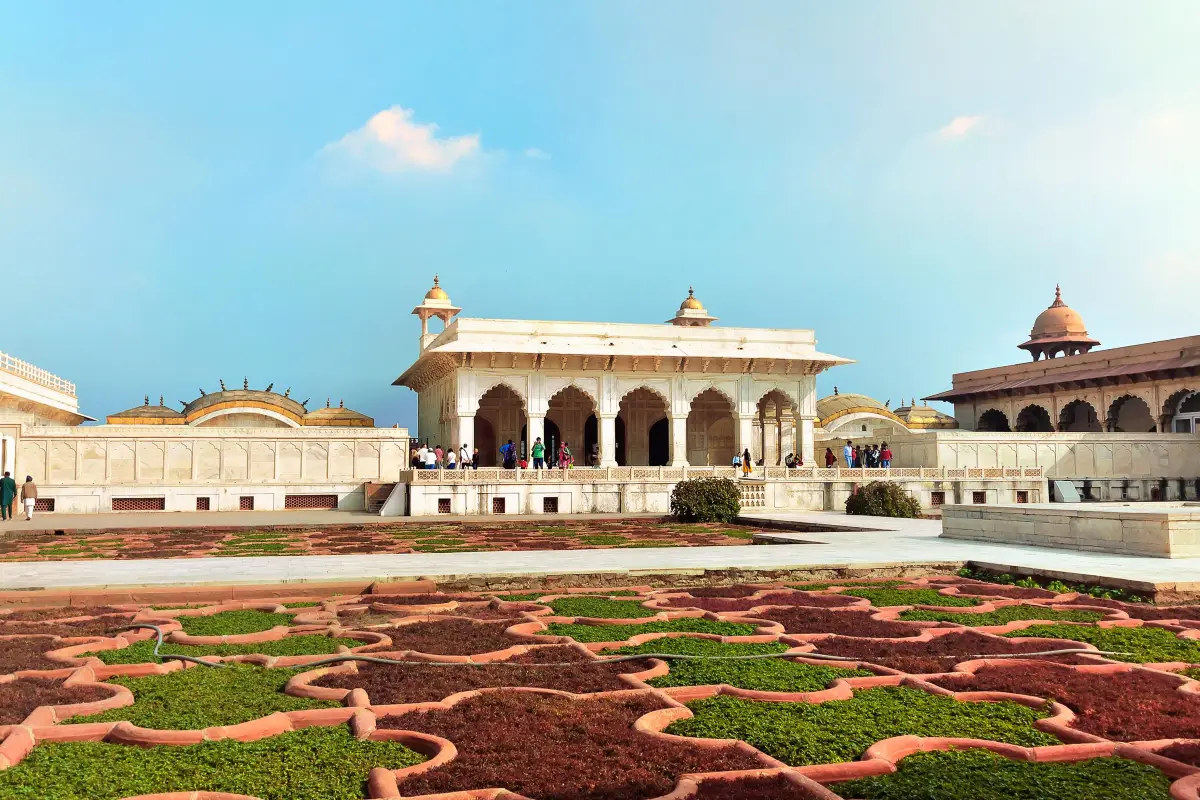
Anguri Bagh, the “Garden of Grapes,” is a Mughal paradise inside Agra Fort. Laid out by Shah Jahan in 1637, it was once filled with fragrant vines and flowers, serving as a private retreat for the royal family. Its geometric patterns of red sandst...
one pathways and green plots reflect the Charbagh style, while the surrounding pavilions whisper of courtly leisure. Imagine queens strolling under moonlight, musicians playing, and poetry recited amid the scent of blossoms. Today, though the vines are gone, the garden’s symmetry and serenity remain, offering a glimpse into the softer, more intimate side of Mughal life. (Cost: Included in Agra Fort ticket)
more info
one pathways and green plots reflect the Charbagh style, while the surrounding pavilions whisper of courtly leisure. Imagine queens strolling under moonlight, musicians playing, and poetry recited amid the scent of blossoms. Today, though the vines are gone, the garden’s symmetry and serenity remain, offering a glimpse into the softer, more intimate side of Mughal life. (Cost: Included in Agra Fort ticket)
Amar Singh Gate
Historic Place

2.0 hours
$7.0
Amar Singh Gate is the main entrance to Agra Fort, a monumental gateway that once guarded Mughal power. Its massive arches and battlements set the tone for the fort’s grandeur. Walking through, you step into centuries of history — from Akbar’s cou...
rt to Shah Jahan’s imprisonment.
more info
rt to Shah Jahan’s imprisonment.
Shri Mankameshwar Temple, Agra
Historic Place, Religious Sight

2.0 hours
Shri Mankameshwar Temple is not just a shrine — it is a living legend woven into Agra’s spiritual fabric. Said to have been established by Lord Shiva himself during the Mahabharata era, the temple houses an ancient Shivlinga believed to fulfill th...
e heartfelt wishes of devotees. Its architecture blends Mughal and Hindu styles, with domes, arches, and intricate carvings that tell stories from mythology. The temple’s atmosphere is charged with devotion: bells ring, incense curls upward, and chants echo through narrow lanes bustling with pilgrims. During Mahashivratri and Shravan Maas, the temple transforms into a vibrant spectacle of lights, flowers, and faith, drawing thousands of worshippers. For visitors, it offers not only spiritual solace but also a glimpse into Agra’s timeless cultural heartbeat. (Opening Hours: Daily: 5:00 AM – 12:00 PM, 4:00 PM – 10:00 PM)
more info
e heartfelt wishes of devotees. Its architecture blends Mughal and Hindu styles, with domes, arches, and intricate carvings that tell stories from mythology. The temple’s atmosphere is charged with devotion: bells ring, incense curls upward, and chants echo through narrow lanes bustling with pilgrims. During Mahashivratri and Shravan Maas, the temple transforms into a vibrant spectacle of lights, flowers, and faith, drawing thousands of worshippers. For visitors, it offers not only spiritual solace but also a glimpse into Agra’s timeless cultural heartbeat. (Opening Hours: Daily: 5:00 AM – 12:00 PM, 4:00 PM – 10:00 PM)
Day 7
Shri Khatu Shyam Ji Mandir (Agra)
Historic Place, Religious Sight

2.0 hours
Shri Khatu Shyam Ji Mandir in Agra is dedicated to Barbarik (Shyam Baba), the grandson of Bhima, worshipped as a symbol of sacrifice and unconditional devotion. The temple is modeled after the famous Khatu Shyam Ji shrine in Rajasthan and has beco...
me one of the largest Shyam temples in Uttar Pradesh. Its architecture blends traditional Hindu carvings with a serene prayer hall, creating an atmosphere charged with chants, flowers, and offerings of coconuts and chadars. Thursdays and Ekadashi are especially vibrant, with large gatherings of devotees seeking blessings for prosperity, health, and peace.
more info
me one of the largest Shyam temples in Uttar Pradesh. Its architecture blends traditional Hindu carvings with a serene prayer hall, creating an atmosphere charged with chants, flowers, and offerings of coconuts and chadars. Thursdays and Ekadashi are especially vibrant, with large gatherings of devotees seeking blessings for prosperity, health, and peace.
Shri Khatu Shyam Temple, Agra
Historic Place, Religious Sight
2.0 hours
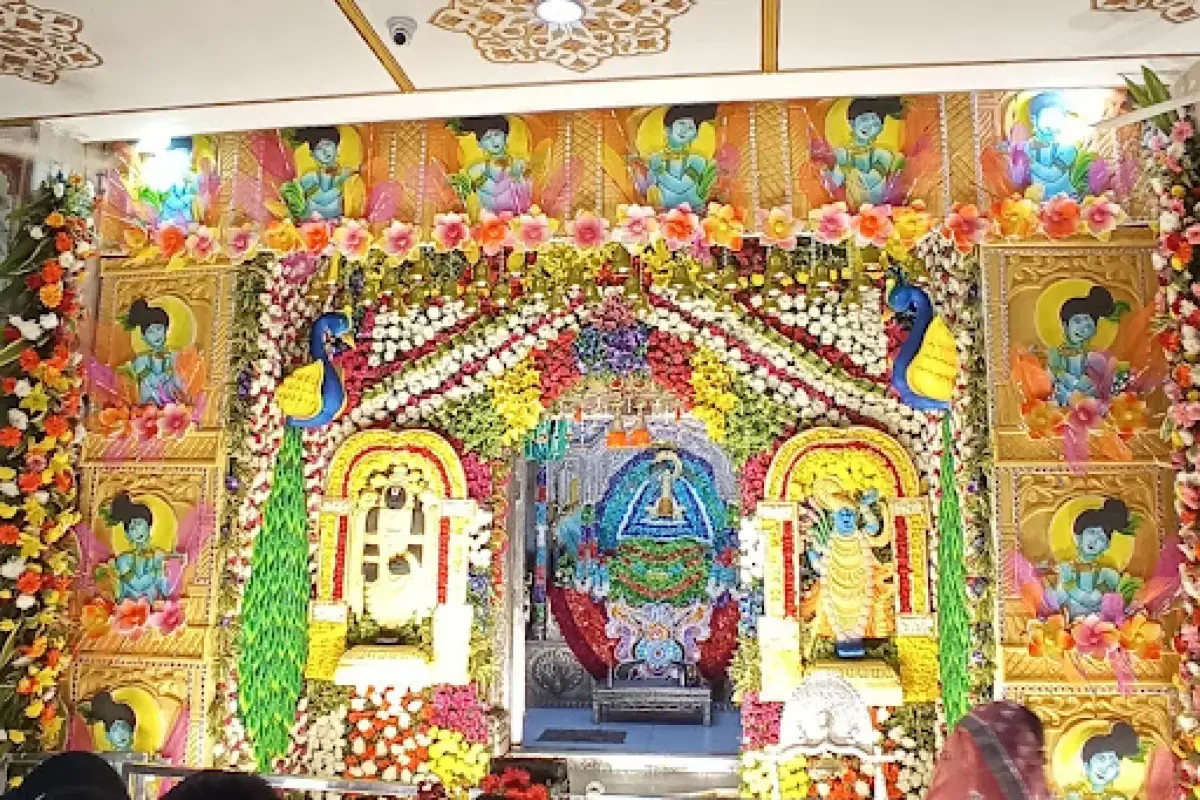
The Shri Khatu Shyam Temple in Agra feels alive with devotion from the moment you step inside. Its architecture blends traditional Hindu carvings with a spacious prayer hall, where chants and bhajans rise in waves, filling the air with energy. Thu...
rsdays and Ekadashi days transform the temple into a festival of faith—devotees arrive in colorful processions, bearing coconuts, flowers, and chadars as offerings. The temple is modeled after the famous Khatu Shyam Ji shrine in Rajasthan, and has grown into one of Uttar Pradesh’s largest Shyam temples. Families often describe the atmosphere as both deeply spiritual and welcoming, with children joining in loud jaykara chants that echo through the hall. It is not just a temple—it is a living community of devotion, sacrifice, and joy.
more info
rsdays and Ekadashi days transform the temple into a festival of faith—devotees arrive in colorful processions, bearing coconuts, flowers, and chadars as offerings. The temple is modeled after the famous Khatu Shyam Ji shrine in Rajasthan, and has grown into one of Uttar Pradesh’s largest Shyam temples. Families often describe the atmosphere as both deeply spiritual and welcoming, with children joining in loud jaykara chants that echo through the hall. It is not just a temple—it is a living community of devotion, sacrifice, and joy.
Langde Ki Chowki Prachin Hanuman Mandir Agra
Historic Place, Religious Sight

2.0 hours
This Hanuman Mandir feels like a heartbeat tucked into Agra’s old quarters. The temple’s modest façade hides a powerful atmosphere—devotees gather in the mornings with marigold garlands and oil lamps, their chants rising above the hum of the bazaa...
r outside. Tuesdays and Saturdays transform the shrine into a festival of faith, with long queues of worshippers seeking blessings for strength and protection. The temple’s age is felt in its worn stone steps and weathered walls, yet its energy is fresh, renewed daily by the rhythm of prayers. Families often describe it as a place where devotion feels personal, where the god of courage and service seems close enough to touch.
more info
r outside. Tuesdays and Saturdays transform the shrine into a festival of faith, with long queues of worshippers seeking blessings for strength and protection. The temple’s age is felt in its worn stone steps and weathered walls, yet its energy is fresh, renewed daily by the rhythm of prayers. Families often describe it as a place where devotion feels personal, where the god of courage and service seems close enough to touch.
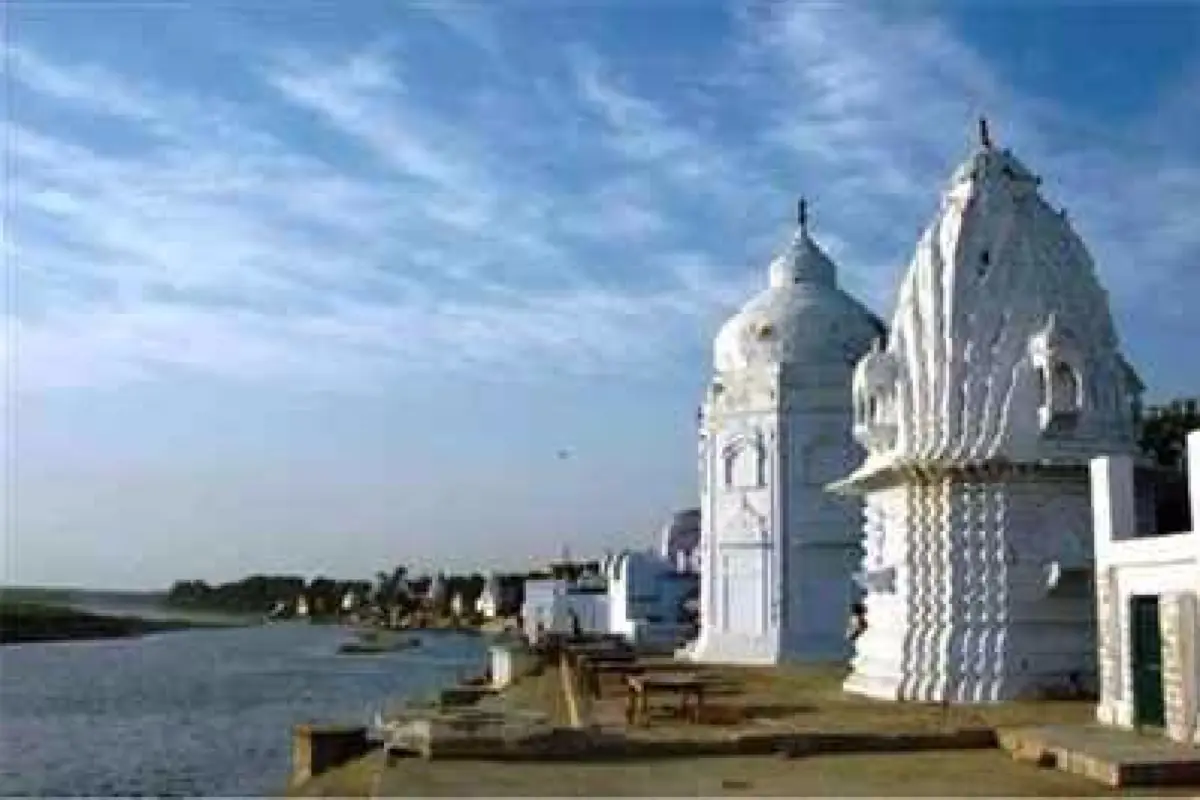
Balkeshwar Mahadev Mandir
Historic Place, Religious Sight
2.0 hours
Balkeshwar Mahadev Mandir is a riverside shrine dedicated to Lord Shiva, nestled along the Yamuna. Its atmosphere is serene, with devotees offering milk and flowers to the Shivlinga. The temple is especially vibrant during Shravan Maas and Mahashi...
vratri, when chants and bells fill the air.
more info
vratri, when chants and bells fill the air.
1/1
To customize the circuit, you need an account.
