Hidden Gems
6 days long
Advised budget $650
(2 persons, 3-star hotel, mid-range restaurants)
(2 persons, 3-star hotel, mid-range restaurants)
India
-
Delhi
Culture and Art - 45%
City Walk - 40%
Nature - 15%
City Walk - 40%
Nature - 15%
Day 1
Chandni Chowk Market
Market
4.0 hours
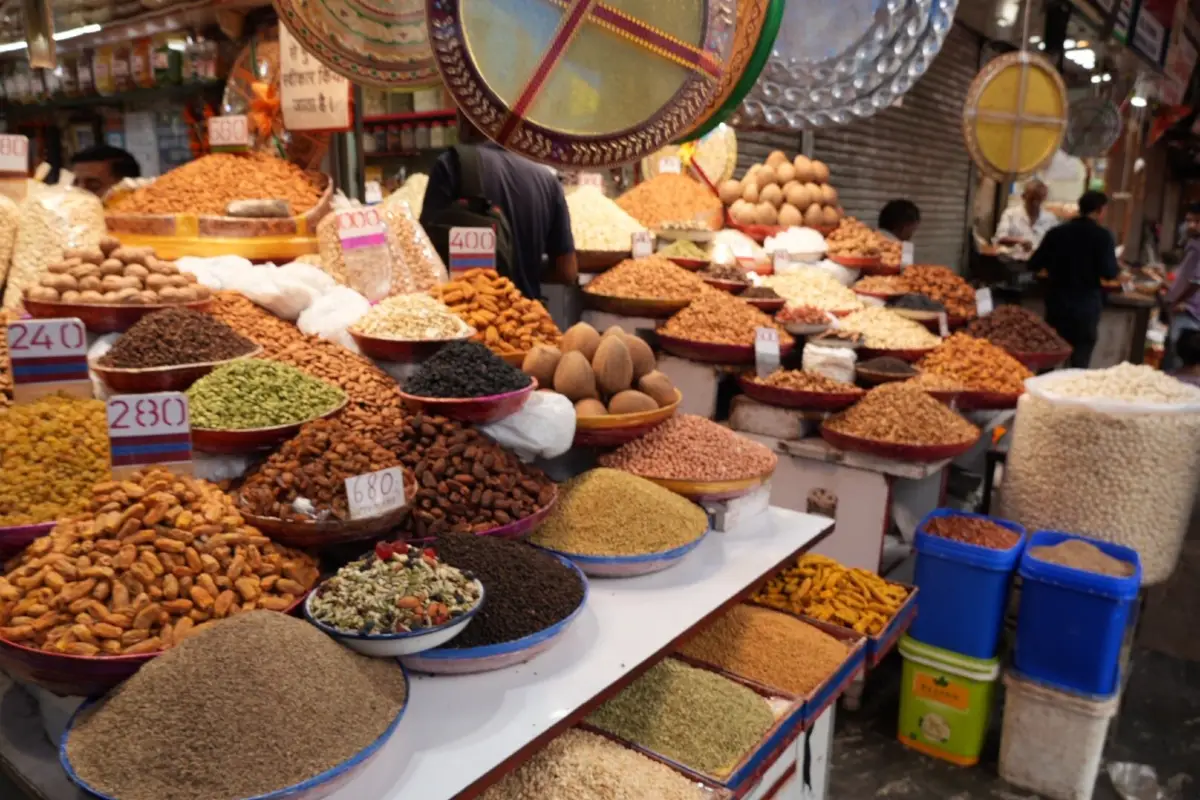
Chandni Chowk Market, the beating heart of Old Delhi, is a kaleidoscope of colors, scents, and sounds. At dawn, its narrow lanes awaken with the aroma of sizzling parathas and brewing chai, while by midday, the streets pulse with the bustle of ric...
kshaws, shoppers, and merchants calling out their wares. As evening falls, strings of lights shimmer above stalls brimming with silks, spices, and jewelry, turning the market into a dazzling labyrinth of treasures. More than a marketplace, Chandni Chowk is a living tapestry of history and culture, where Mughal grandeur meets everyday life, and every corner tells a story of Delhi’s timeless spirit.
more info
kshaws, shoppers, and merchants calling out their wares. As evening falls, strings of lights shimmer above stalls brimming with silks, spices, and jewelry, turning the market into a dazzling labyrinth of treasures. More than a marketplace, Chandni Chowk is a living tapestry of history and culture, where Mughal grandeur meets everyday life, and every corner tells a story of Delhi’s timeless spirit.
Haveli Mirza Ghalib
Historic Place, Museum/Gallery
2.0 hours
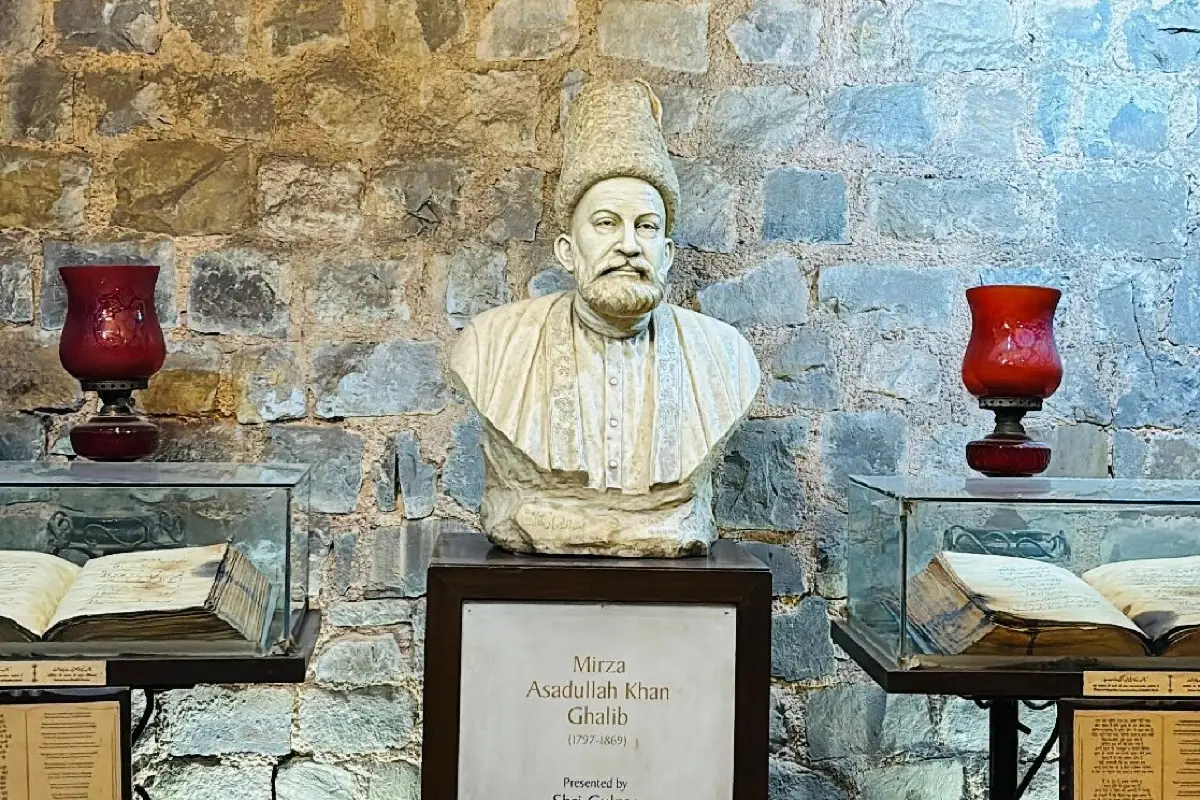
Haveli Mirza Ghalib is less a monument and more a living diary of Delhi’s poetic soul. Hidden in the narrow lanes of Ballimaran, this modest Mughal-era mansion once sheltered Ghalib during the twilight of the empire. Its brick arches and carved co...
lumns whisper of evenings spent in verse, while exhibits of handwritten poems, portraits of contemporaries, and a life-size replica of Ghalib with his hookah turn the space into an intimate encounter with genius. Unlike grand forts or palaces, the haveli’s charm lies in its intimacy — a place where visitors feel they are stepping into the poet’s personal world, surrounded by echoes of wit, melancholy, and timeless Urdu couplets. For families, it’s accessible and educational; for literature lovers, it’s a pilgrimage.
more info
lumns whisper of evenings spent in verse, while exhibits of handwritten poems, portraits of contemporaries, and a life-size replica of Ghalib with his hookah turn the space into an intimate encounter with genius. Unlike grand forts or palaces, the haveli’s charm lies in its intimacy — a place where visitors feel they are stepping into the poet’s personal world, surrounded by echoes of wit, melancholy, and timeless Urdu couplets. For families, it’s accessible and educational; for literature lovers, it’s a pilgrimage.
Gurdwara Sis Ganj Sahib
Historic Place, Monument, Religious Sight
1.0 hours
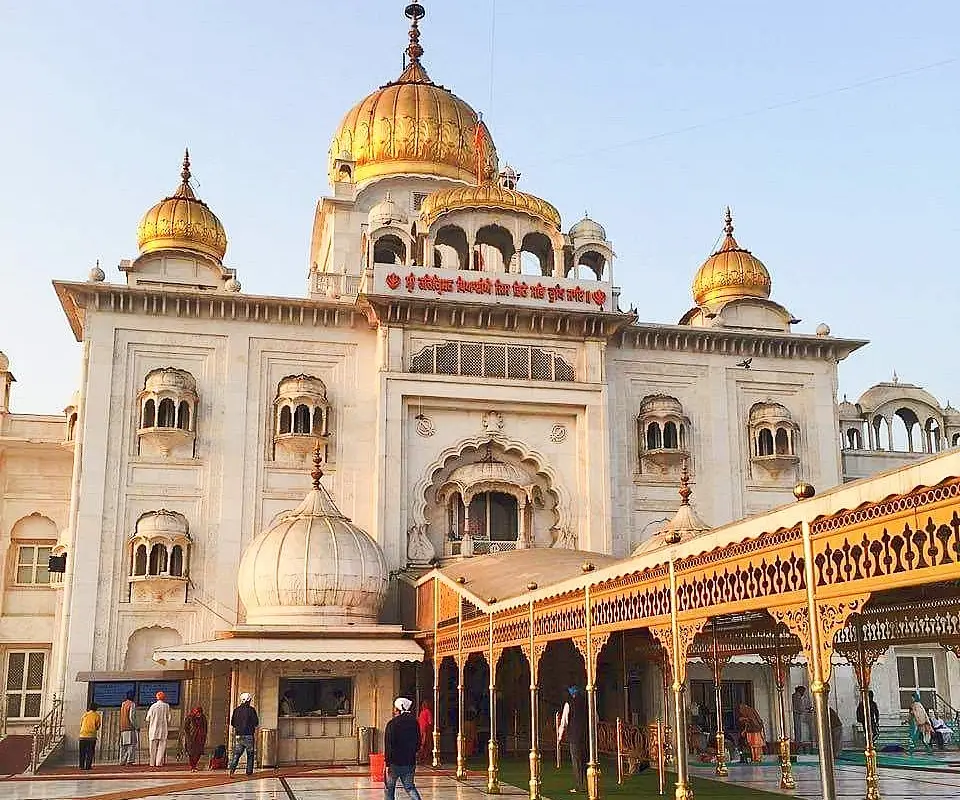
Built in 1783 to commemorate the martyrdom of Guru Tegh Bahadur, the ninth Sikh Guru, Gurdwara Sis Ganj Sahib in Chandni Chowk, Old Delhi, is a historic Sikh shrine a powerful symbol of religious freedom.
Red Fort
Historic Place, Monument, Park
2.0 hours
$5.33
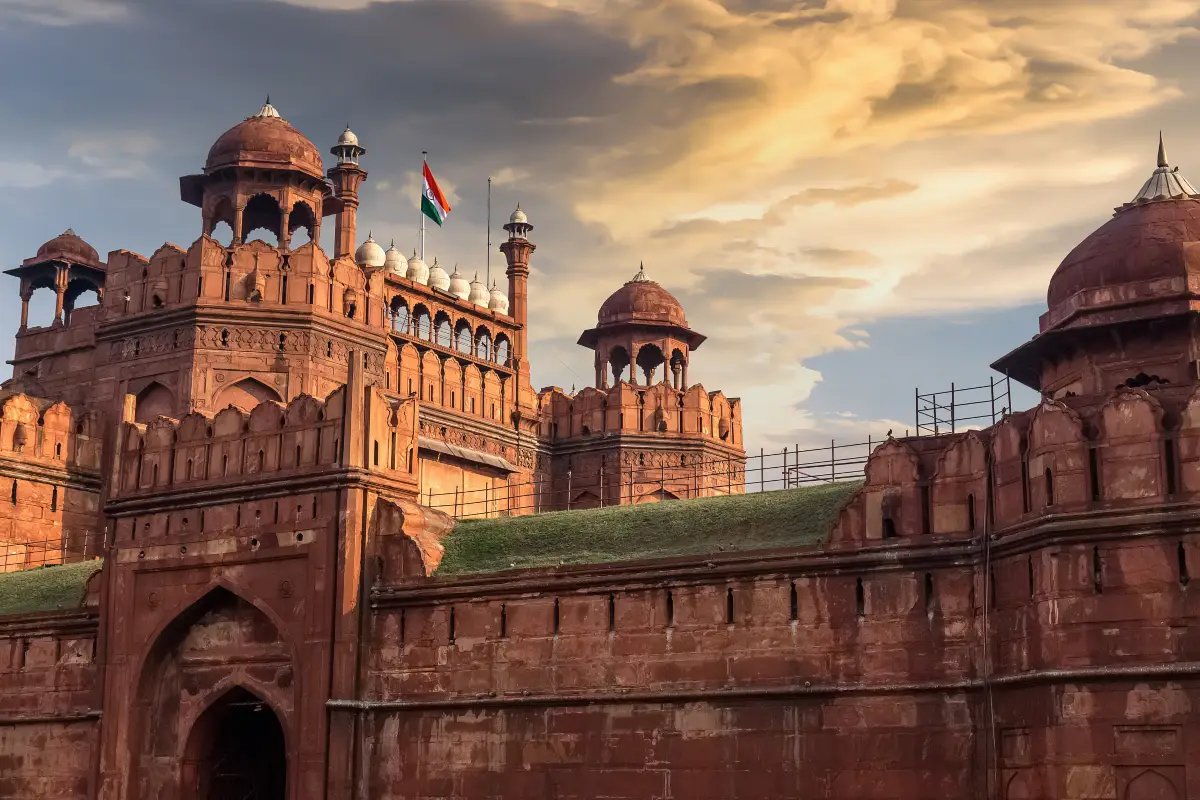
Built by Mughal Emperor Shah Jahan in 1639, The Red Fort (Lal Qila) in Old Delhi is a UNESCO World Heritage Site and one of India’s most iconic monuments. Its role in both Mughal history and modern India makes it a unique blend of past and present...
. (A fee for photos and videos can be taken)
more info
. (A fee for photos and videos can be taken)
Day 2
Purana Quila
Historic Place, Monument
1.0 hours
$5.0
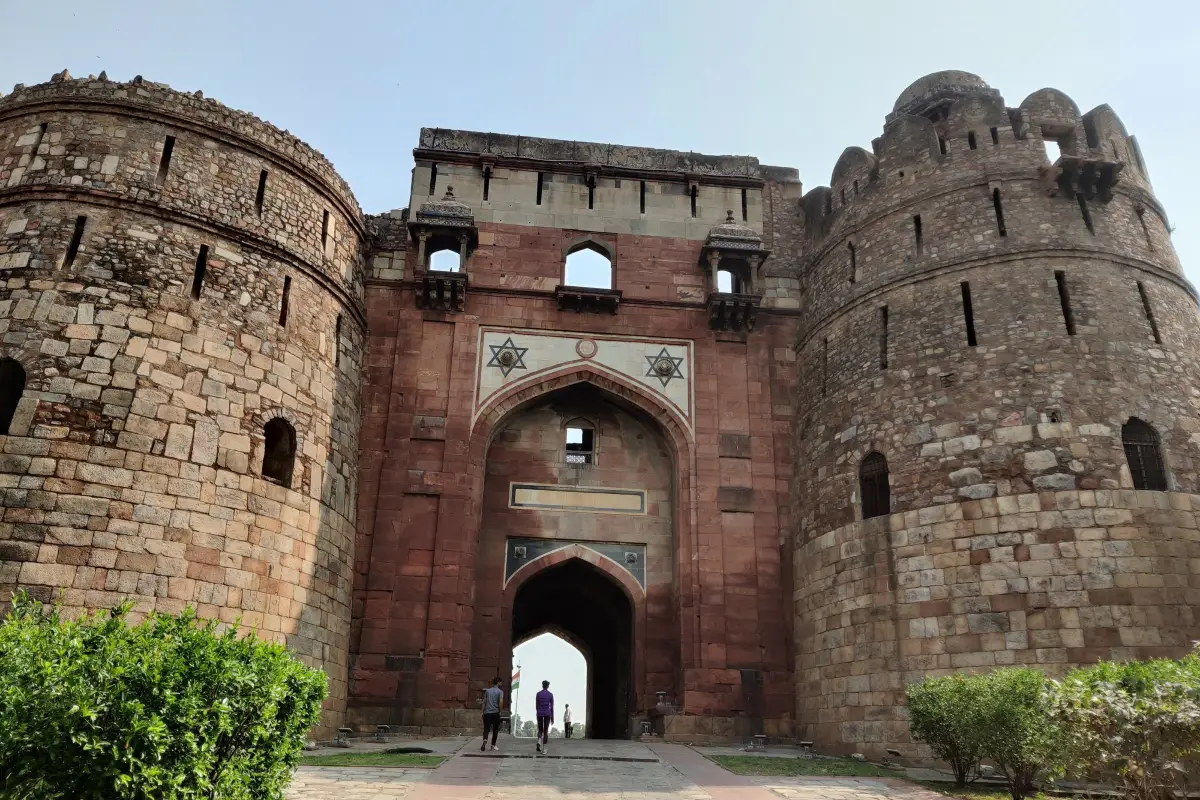
Built between 1533 and 1540 by Mughal emperor Humayun and later strengthened by Sher Shah Suri, Purana Qila (Old Fort) in New Delhi is one of the city’s most atmospheric and historically significant monuments. Its expansive lawns and quiet pathway...
s make it a serene escape from Delhi’s bustle, while evening sound‑and‑light shows narrate the city’s layered history.
more info
s make it a serene escape from Delhi’s bustle, while evening sound‑and‑light shows narrate the city’s layered history.
Register Suggestion
Action

Trip plan customization, personalized recommendations, special filters Moods and even more is available for registered users.
National War Memorial
Monument
2.0 hours
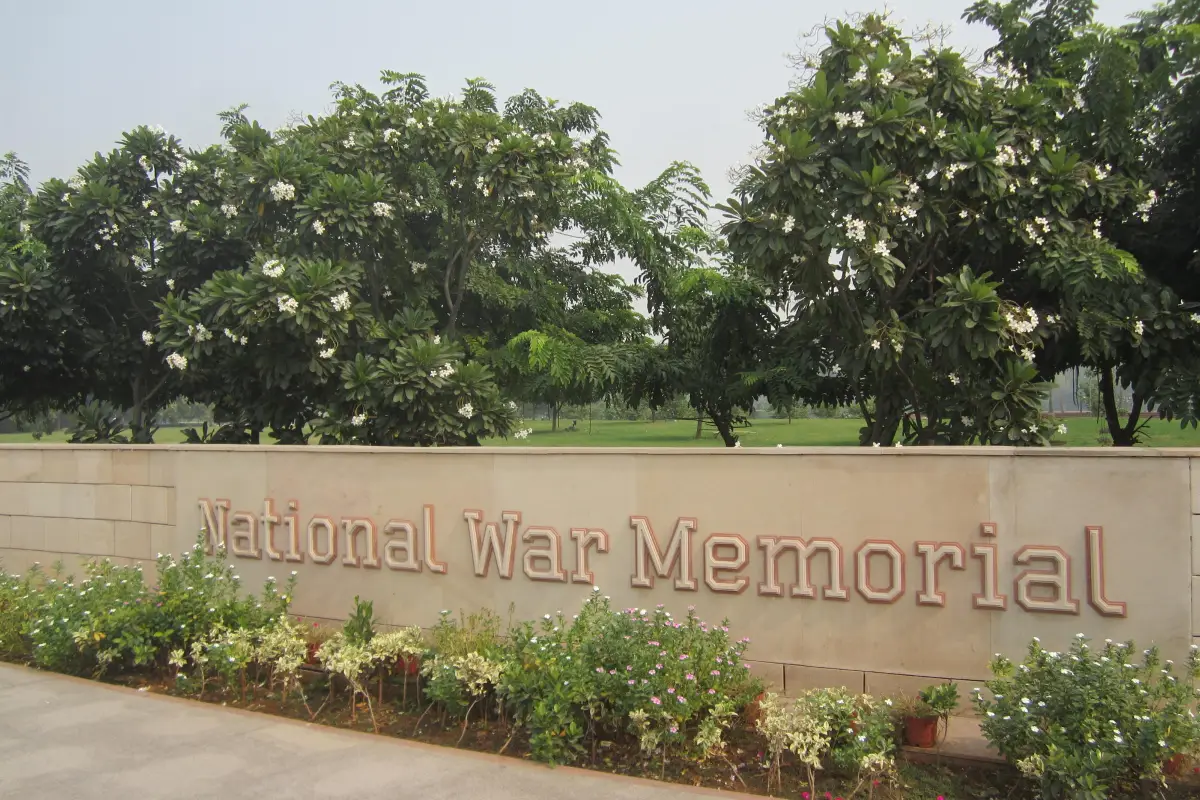
Inaugurated on 25 February 2019, the National War Memorial honors over 25,942 soldiers who sacrificed their lives post‑Independence. The memorial is designed in concentric circles, Amar Chakra (Circle of Immortality), Veerta Chakra (Circle of Brav...
ery), Tyag Chakra (Circle of Sacrifice), and Rakshak Chakra (Circle of Protection), symbolizing valor and remembrance. At its center stands a tall obelisk with the eternal flame (Amar Jawan Jyoti). The site is adjacent to India Gate, creating a powerful continuum of national memory. It is also a venue for ceremonial events, including wreath‑laying by dignitaries and military parades.
more info
ery), Tyag Chakra (Circle of Sacrifice), and Rakshak Chakra (Circle of Protection), symbolizing valor and remembrance. At its center stands a tall obelisk with the eternal flame (Amar Jawan Jyoti). The site is adjacent to India Gate, creating a powerful continuum of national memory. It is also a venue for ceremonial events, including wreath‑laying by dignitaries and military parades.
India Gate
Historic Place, Monument
1.0 hours
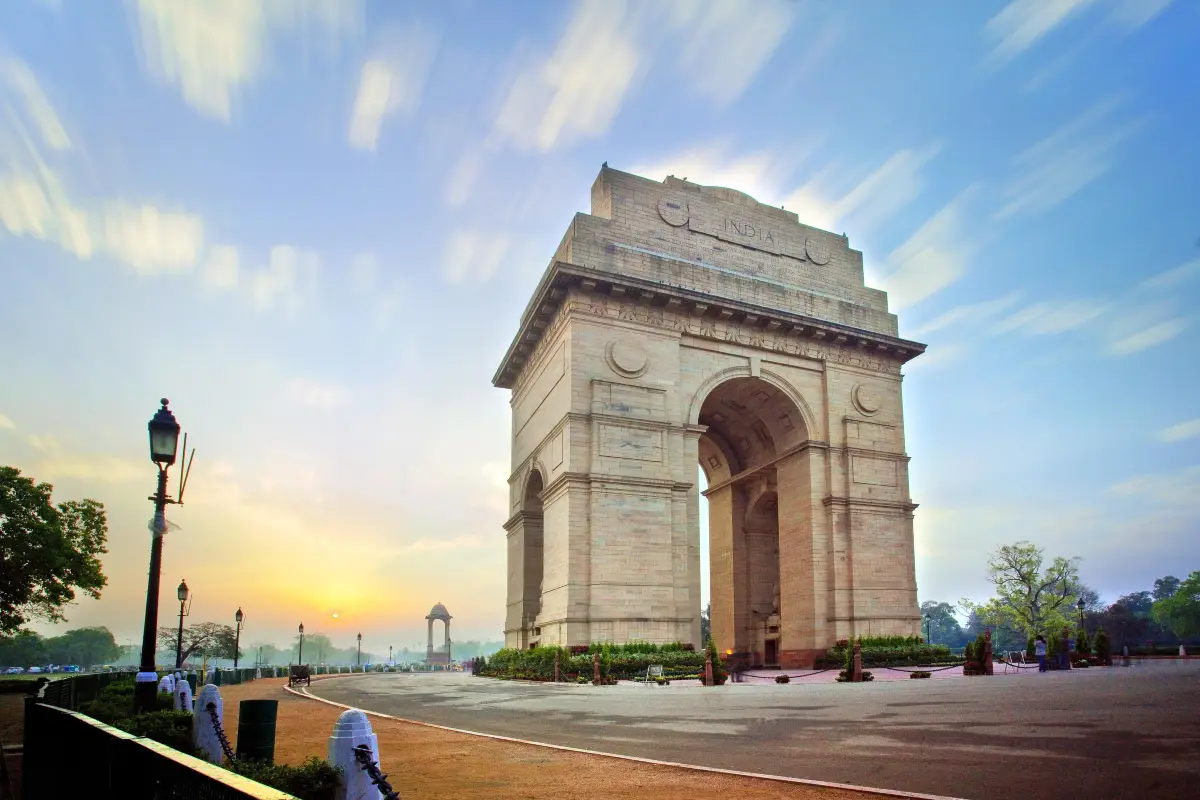
Built in 1931 to honor over 74,000 soldiers of the Indian Army who died during World War I and the Third Anglo-Afghan War, India Gate in New Delhi is a 42-meter-high war memorial surrounded by lively gardens, making it a cultural, historical, and ...
family-friendly destination.
more info
family-friendly destination.
Ugrasen ki Baoli
Historic Place, Monument
2.0 hours
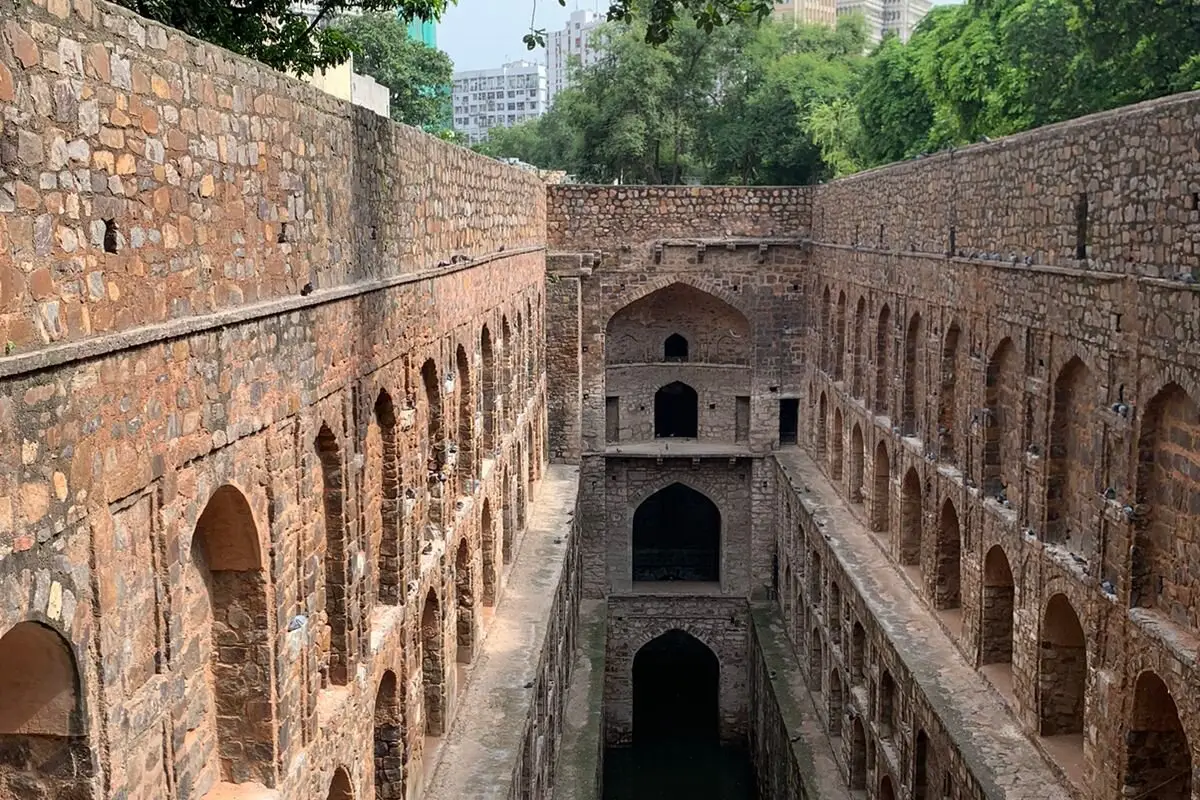
Built during the 14th–15th century and attributed to the legendary King Agrasen, Ugrasen ki Baoli (Agrasen ki Baoli), is one of Delhi’s most atmospheric monuments. Located on Hailey Road near Connaught Place, this stepwell stretches 60 meters in l...
ength and 15 meters in width, descending through 108 stone steps into its depths. Constructed in red sandstone, the Baoli features arched niches and carved stone walls, hallmarks of medieval craftsmanship. It is believed by locals that its waters once held mystical powers, and stories of it being haunted add to its allure. Today, it is a popular spot for history lovers, photographers, and film buffs, having appeared in Bollywood movies like PK.
more info
ength and 15 meters in width, descending through 108 stone steps into its depths. Constructed in red sandstone, the Baoli features arched niches and carved stone walls, hallmarks of medieval craftsmanship. It is believed by locals that its waters once held mystical powers, and stories of it being haunted add to its allure. Today, it is a popular spot for history lovers, photographers, and film buffs, having appeared in Bollywood movies like PK.
Day 3
Mehrauli Archaeological Park
Historic Place, Park
2.0 hours
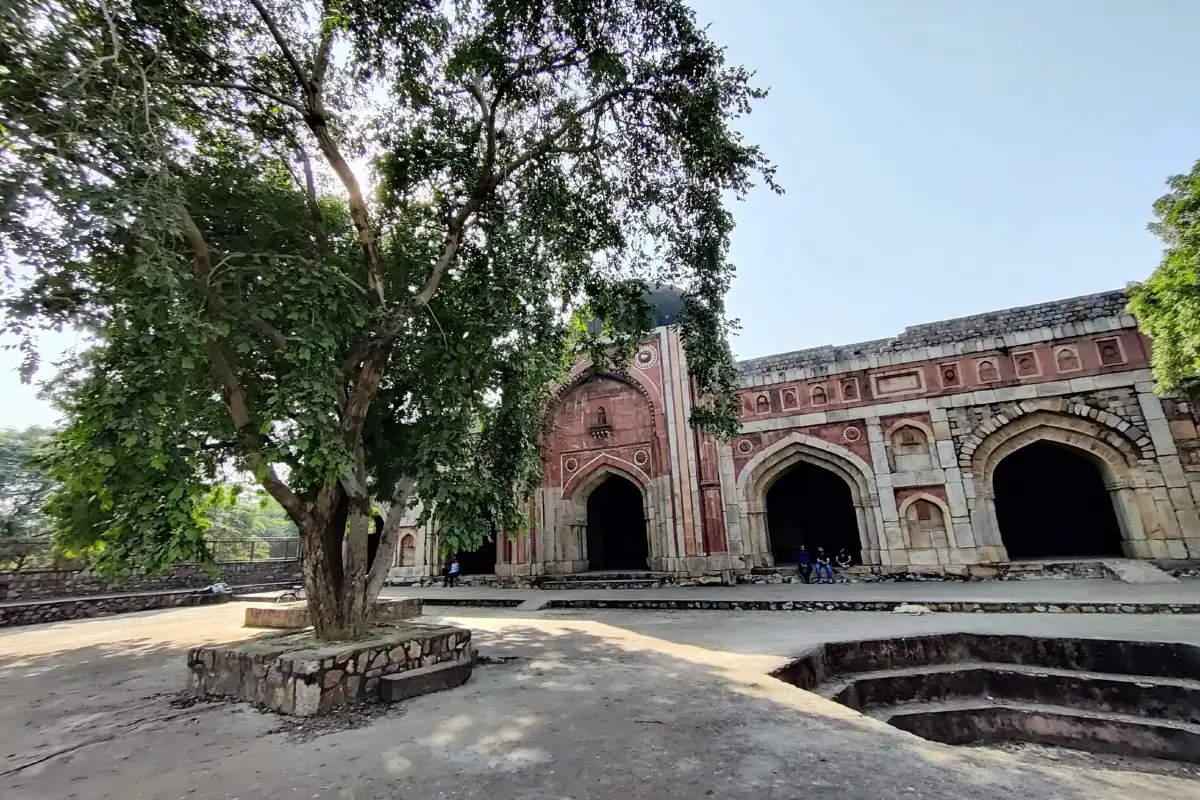
Imagine owning Delhi’s oldest fort and its surrounding ruins: the Lal Kot walls built by the Tomar Rajputs, the elegant Jamali Kamali mosque and tomb, Balban’s tomb with its early Islamic arches, and stepwells that whisper centuries of stories. Fa...
milies can wander shaded paths, children can explore hidden courtyards, and history enthusiasts find endless layers of dynasties — Tuglaq, Lodi, Mughal, and British — all in one place. It feels like a personal time capsule, where every stone belongs to you.
more info
milies can wander shaded paths, children can explore hidden courtyards, and history enthusiasts find endless layers of dynasties — Tuglaq, Lodi, Mughal, and British — all in one place. It feels like a personal time capsule, where every stone belongs to you.
Mehrauli
Neighborhood, Photospot
2.0 hours
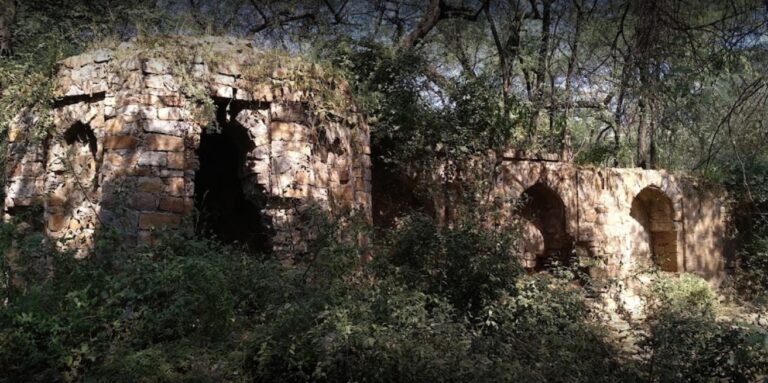
Mehrauli is not just a neighborhood; it is Delhi’s oldest continuously inhabited area, where layers of history overlap like pages in a palimpsest. Walking through Mehrauli feels like stepping into a living museum — the Qutub Minar rises as a senti...
nel of the Sultanate era, while scattered tombs, stepwells, and ruined palaces whisper stories of dynasties long gone. Unlike the polished grandeur of New Delhi, Mehrauli’s charm lies in its raw authenticity: narrow lanes lined with Mughal-era havelis, bustling bazaars, and sudden glimpses of centuries-old stonework tucked behind modern houses. It is a place where faith, folklore, and daily life coexist — from the Sufi shrines that draw pilgrims to the Mehrauli Archaeological Park that attracts history enthusiasts.
more info
nel of the Sultanate era, while scattered tombs, stepwells, and ruined palaces whisper stories of dynasties long gone. Unlike the polished grandeur of New Delhi, Mehrauli’s charm lies in its raw authenticity: narrow lanes lined with Mughal-era havelis, bustling bazaars, and sudden glimpses of centuries-old stonework tucked behind modern houses. It is a place where faith, folklore, and daily life coexist — from the Sufi shrines that draw pilgrims to the Mehrauli Archaeological Park that attracts history enthusiasts.
Hauz Khas Village
Neighborhood

2.0 hours
Hauz Khas Village is Delhi’s paradox: medieval ruins meet bohemian chic. The 14th‑century reservoir and madrasa built by Firoz Shah Tughlaq form a haunting backdrop to a neighborhood buzzing with art galleries, designer boutiques, and rooftop bars...
. By day, the stone arches and domes invite quiet reflection; by night, the lanes pulse with music and conversation. It is a place where history and modernity collide — couples stroll past crumbling walls before dining in contemporary cafés, while families enjoy the park’s greenery. Hauz Khas is both heritage site and lifestyle hub, offering layered experiences in one compact enclave.
more info
. By day, the stone arches and domes invite quiet reflection; by night, the lanes pulse with music and conversation. It is a place where history and modernity collide — couples stroll past crumbling walls before dining in contemporary cafés, while families enjoy the park’s greenery. Hauz Khas is both heritage site and lifestyle hub, offering layered experiences in one compact enclave.
Day 4
Sunder Nursery
Park, Reserve/Zoo

2.0 hours
$3.0
Sunder Nursery is Delhi’s ecological jewel — a place where Mughal monuments, themed gardens, and biodiversity zones coexist. Once a government plant nursery, it has been transformed into a vibrant landscape with six UNESCO‑listed tombs, ornamental...
lakes, butterfly habitats, and over 300 species of trees. Walking through the Lotus Garden, Azim Bagh, and Flower Valley, you feel both the grandeur of Mughal heritage and the freshness of a modern ecological park. It is serene yet alive, making it ideal for families, photographers, and heritage explorers.
more info
lakes, butterfly habitats, and over 300 species of trees. Walking through the Lotus Garden, Azim Bagh, and Flower Valley, you feel both the grandeur of Mughal heritage and the freshness of a modern ecological park. It is serene yet alive, making it ideal for families, photographers, and heritage explorers.
Lodhi Garden
Park
2.0 hours
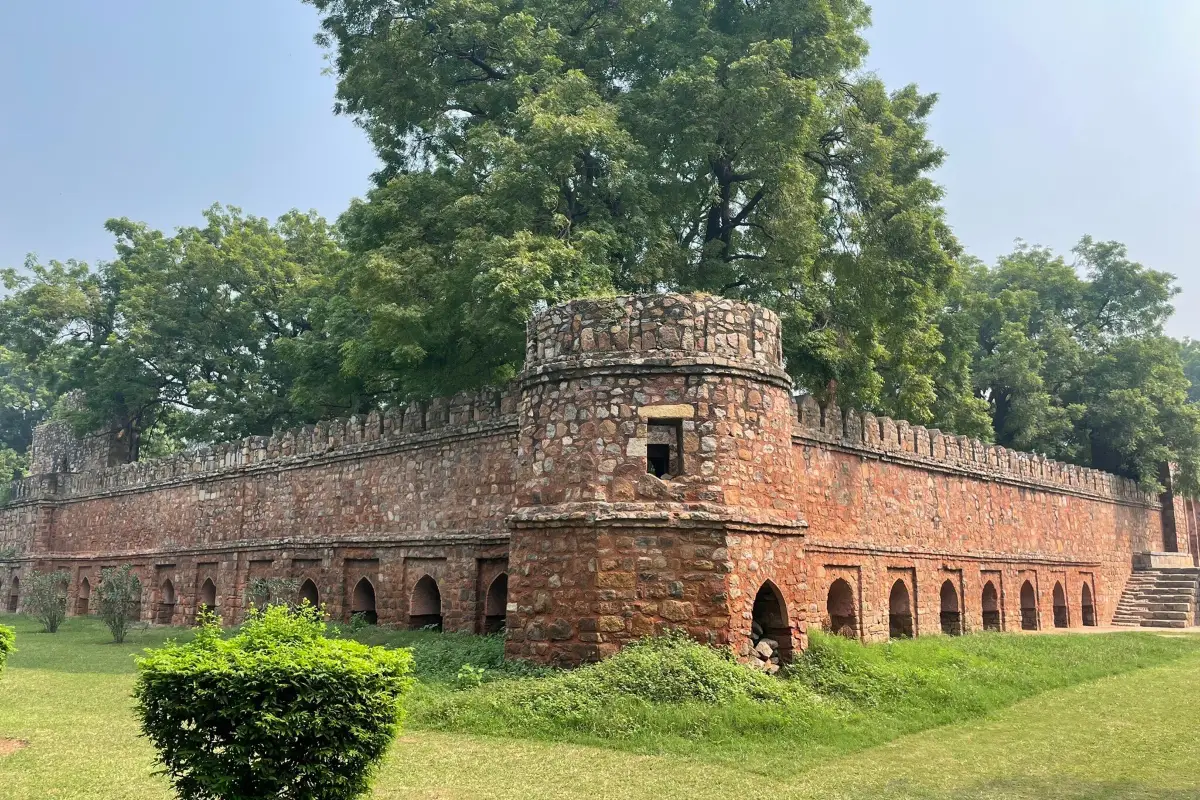
Featuring 90 acres of greenery and 15th–16th century tombs, Lodhi Garden in New Delhi is one of the most popular spots for morning walks, picnics, and family outings, ideal for combining relaxation with history.
Lodhi Art District
Neighborhood

2.0 hours
Walking through Lodhi Art District feels like stepping into a city that decided its walls should speak. Each mural is a voice — bold, playful, political, or poetic — stitched into the fabric of a once-ordinary neighborhood. The district doesn’t ju...
st display art; it breathes it. Children point at giant painted birds, photographers crouch to frame kaleidoscopic patterns, and locals stroll past as if the extraordinary has become everyday. It’s a place where Delhi’s colonial past collides with its creative present, and where every corner insists you pause, look, and feel part of a story larger than yourself.
more info
st display art; it breathes it. Children point at giant painted birds, photographers crouch to frame kaleidoscopic patterns, and locals stroll past as if the extraordinary has become everyday. It’s a place where Delhi’s colonial past collides with its creative present, and where every corner insists you pause, look, and feel part of a story larger than yourself.
Day 5
Tughlaqabad Fort Delhi
Historic Place

2.0 hours
$2.0
Rising from the rocky terrain of South Delhi, Tughlaqabad Fort feels like a fortress carved out of myth. Its massive stone ramparts stretch across the landscape, echoing the ambition of Ghiyasuddin Tughlaq, who envisioned an unbreachable stronghol...
d against Mongol invasions. Though abandoned within a decade of its construction, the fort’s ruins still carry an aura of power and mystery. Walking through its crumbling gateways and silent courtyards, visitors sense both grandeur and desolation, a haunting reminder of Delhi’s medieval past, where ambition met fate and legend.
more info
d against Mongol invasions. Though abandoned within a decade of its construction, the fort’s ruins still carry an aura of power and mystery. Walking through its crumbling gateways and silent courtyards, visitors sense both grandeur and desolation, a haunting reminder of Delhi’s medieval past, where ambition met fate and legend.
Shri Kalka Ji Mandir
Historic Place, Religious Sight
2.0 hours
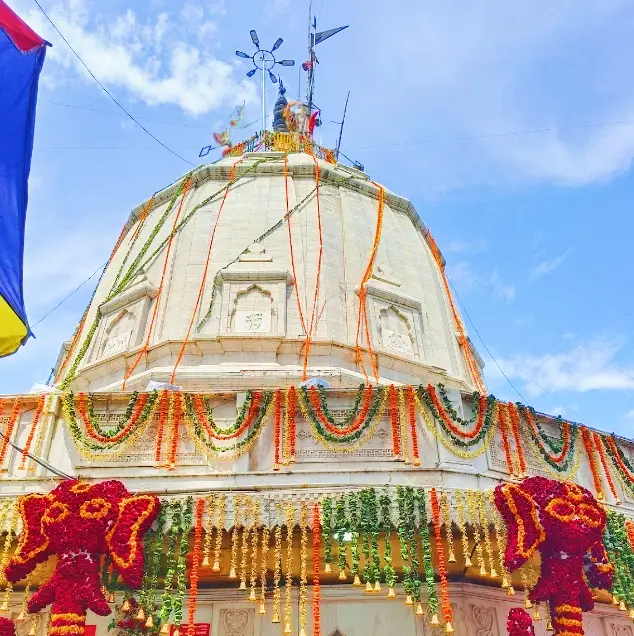
Dedicated to Goddess Kali also known as Kalka Devi, Shri Kalka Ji Mandir in South Delhi is one of the city’s oldest and busiest Hindu temples, known for its spiritual energy and vibrant atmosphere. It combines deep spiritual significance, living t...
radition, and easy accessibility in the heart of Delhi. (Daily Schedule: 4:00 AM – 5:30 AM, 6:30 AM – 11:45 AM, 12:15 PM – 3:00 PM, 4:00 PM – 7:30 PM, 8:30 PM – 11:30 PM)
more info
radition, and easy accessibility in the heart of Delhi. (Daily Schedule: 4:00 AM – 5:30 AM, 6:30 AM – 11:45 AM, 12:15 PM – 3:00 PM, 4:00 PM – 7:30 PM, 8:30 PM – 11:30 PM)
Lotus Temple
Architectural Building, Religious Sight
2.0 hours
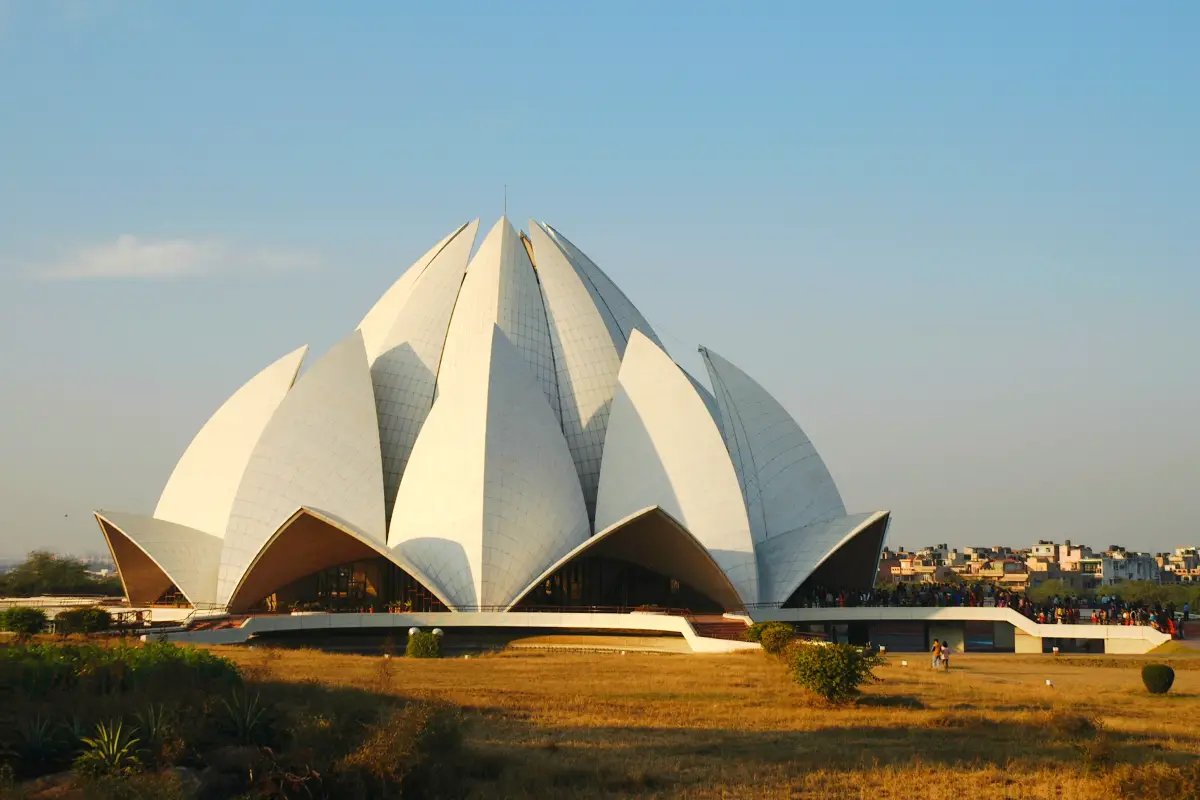
Famous for its lotus-shaped design with 27 marble petals, Lotus Temple in New Delhi is a Bahá'í House of Worship, offering a unique blend of stunning architecture, spiritual openness, and peaceful surroundings.
Day 6
Majnu Ka Tilla
Market, Neighborhood

2.0 hours
Majnu Ka Tilla, often called “Little Tibet,” is more than a settlement — it’s a cultural enclave where Tibetan heritage thrives in the heart of Delhi. Narrow lanes are lined with prayer flags, monasteries, and cafés serving steaming momos and butt...
er tea. The atmosphere is contemplative yet lively: monks in maroon robes pass by students sipping lattes, while shops sell thangkas, handicrafts, and woolens. For travelers, it offers a rare immersion into Tibetan culture without leaving Delhi, blending spirituality, cuisine, and community warmth. Families find it welcoming, while solo explorers discover a pocket of serenity amid urban chaos.
more info
er tea. The atmosphere is contemplative yet lively: monks in maroon robes pass by students sipping lattes, while shops sell thangkas, handicrafts, and woolens. For travelers, it offers a rare immersion into Tibetan culture without leaving Delhi, blending spirituality, cuisine, and community warmth. Families find it welcoming, while solo explorers discover a pocket of serenity amid urban chaos.
Tibetan Monastery (Majnu ka tila)
Monument
2.0 hours
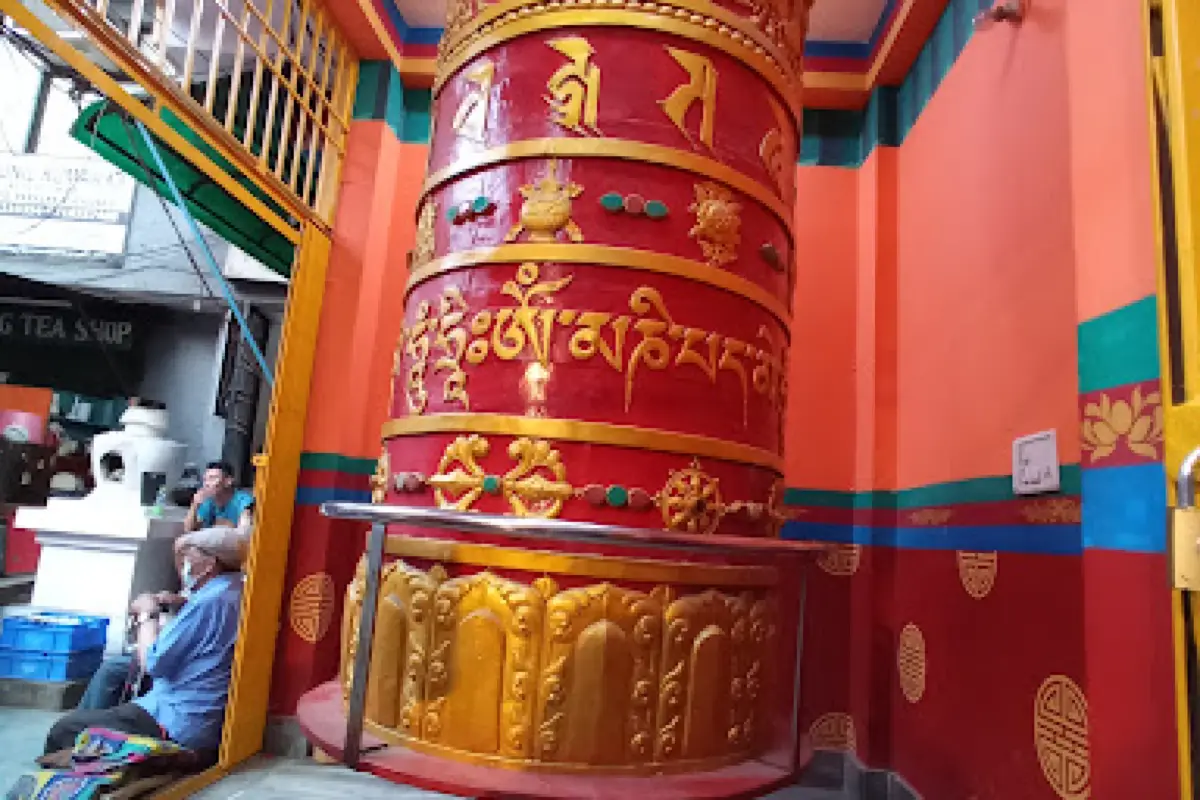
The Tibetan Monastery at Majnu ka Tila is less a monument and more a cultural heartbeat of Delhi’s Tibetan enclave. Step inside and the city’s noise dissolves into chants, prayer wheels, and the scent of butter lamps. The monastery is modest in sc...
ale but rich in atmosphere — walls adorned with thangkas, monks moving quietly through courtyards, and visitors pausing to spin prayer wheels for blessings. Unlike Delhi’s grand temples, this space thrives on intimacy and continuity, offering a glimpse into Tibetan spiritual life woven seamlessly into the neighborhood’s cafés and shops. Families find it welcoming, heritage seekers discover living culture, and travelers sense a rare blend of devotion and diaspora resilience.
more info
ale but rich in atmosphere — walls adorned with thangkas, monks moving quietly through courtyards, and visitors pausing to spin prayer wheels for blessings. Unlike Delhi’s grand temples, this space thrives on intimacy and continuity, offering a glimpse into Tibetan spiritual life woven seamlessly into the neighborhood’s cafés and shops. Families find it welcoming, heritage seekers discover living culture, and travelers sense a rare blend of devotion and diaspora resilience.
Kashmiri Gate
Historic Place, Monument
1.0 hours
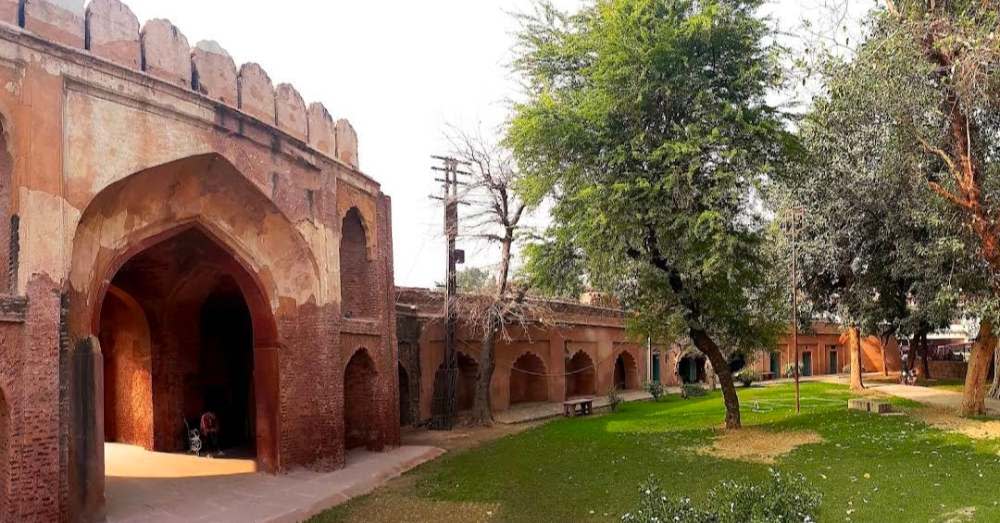
Kashmiri Gate feels like a scar etched into Delhi’s living skin — a weathered sentinel that has watched empires rise and fall. Its red sandstone walls still bear cannonball marks from the 1857 Rebellion, making it less a ruin and more a battlefiel...
d diary carved in stone. Unlike the polished grandeur of Delhi’s other Mughal monuments, Kashmiri Gate whispers of resilience: a place where silence and traffic collide, where history breathes through cracks and shadows. Families visiting sense the weight of centuries, while heritage walkers find themselves tracing the footsteps of soldiers, rebels, and traders who once passed through this northern threshold toward Kashmir.
more info
d diary carved in stone. Unlike the polished grandeur of Delhi’s other Mughal monuments, Kashmiri Gate whispers of resilience: a place where silence and traffic collide, where history breathes through cracks and shadows. Families visiting sense the weight of centuries, while heritage walkers find themselves tracing the footsteps of soldiers, rebels, and traders who once passed through this northern threshold toward Kashmir.
1/1
To customize the circuit, you need an account.
