Historical Places
10 days long
Advised budget $870
(2 persons, 3-star hotel, mid-range restaurants)
(2 persons, 3-star hotel, mid-range restaurants)
India
-
Delhi
City Walk - 88%
Culture and Art - 5%
Nature - 2%
Other - 5%
Culture and Art - 5%
Nature - 2%
Other - 5%
Day 1
Ugrasen ki Baoli
Historic Place, Monument
2.0 hours
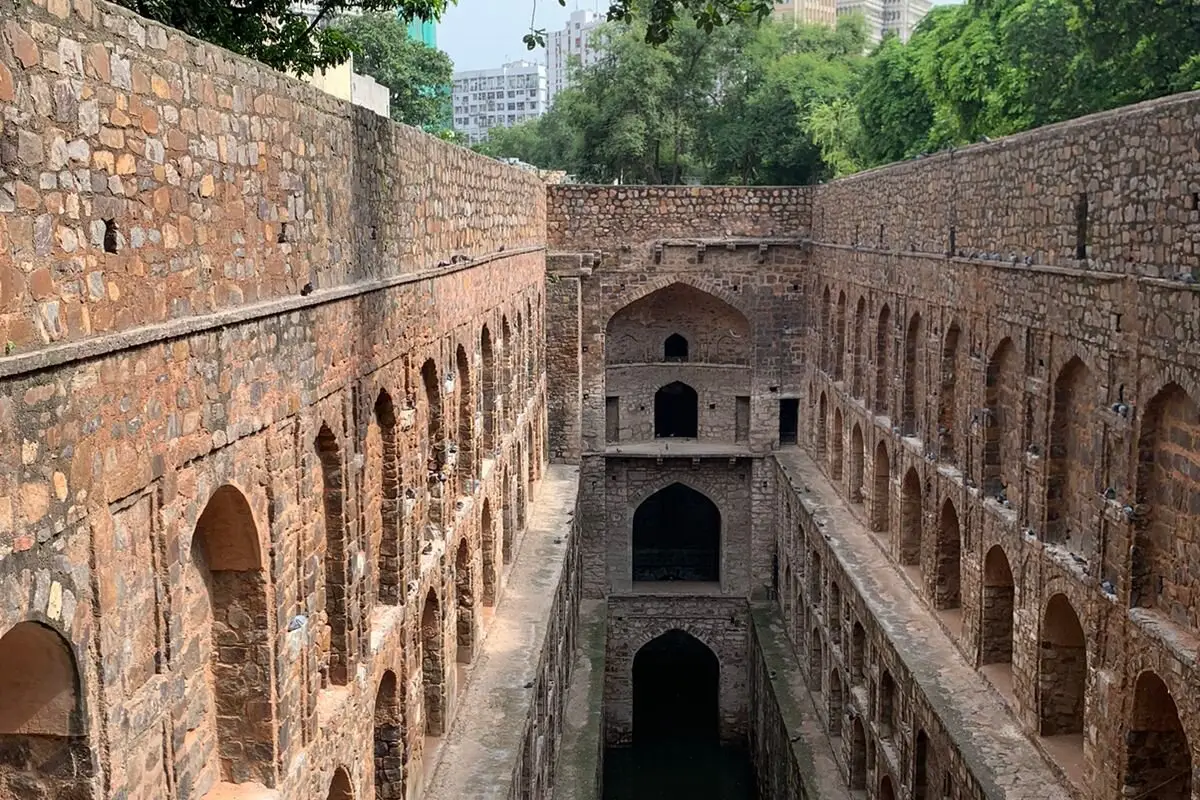
Built during the 14th–15th century and attributed to the legendary King Agrasen, Ugrasen ki Baoli (Agrasen ki Baoli), is one of Delhi’s most atmospheric monuments. Located on Hailey Road near Connaught Place, this stepwell stretches 60 meters in l...
ength and 15 meters in width, descending through 108 stone steps into its depths. Constructed in red sandstone, the Baoli features arched niches and carved stone walls, hallmarks of medieval craftsmanship. It is believed by locals that its waters once held mystical powers, and stories of it being haunted add to its allure. Today, it is a popular spot for history lovers, photographers, and film buffs, having appeared in Bollywood movies like PK.
more info
ength and 15 meters in width, descending through 108 stone steps into its depths. Constructed in red sandstone, the Baoli features arched niches and carved stone walls, hallmarks of medieval craftsmanship. It is believed by locals that its waters once held mystical powers, and stories of it being haunted add to its allure. Today, it is a popular spot for history lovers, photographers, and film buffs, having appeared in Bollywood movies like PK.
Jantar Mantar
Architectural Building, Historic Place
2.0 hours
$3.0
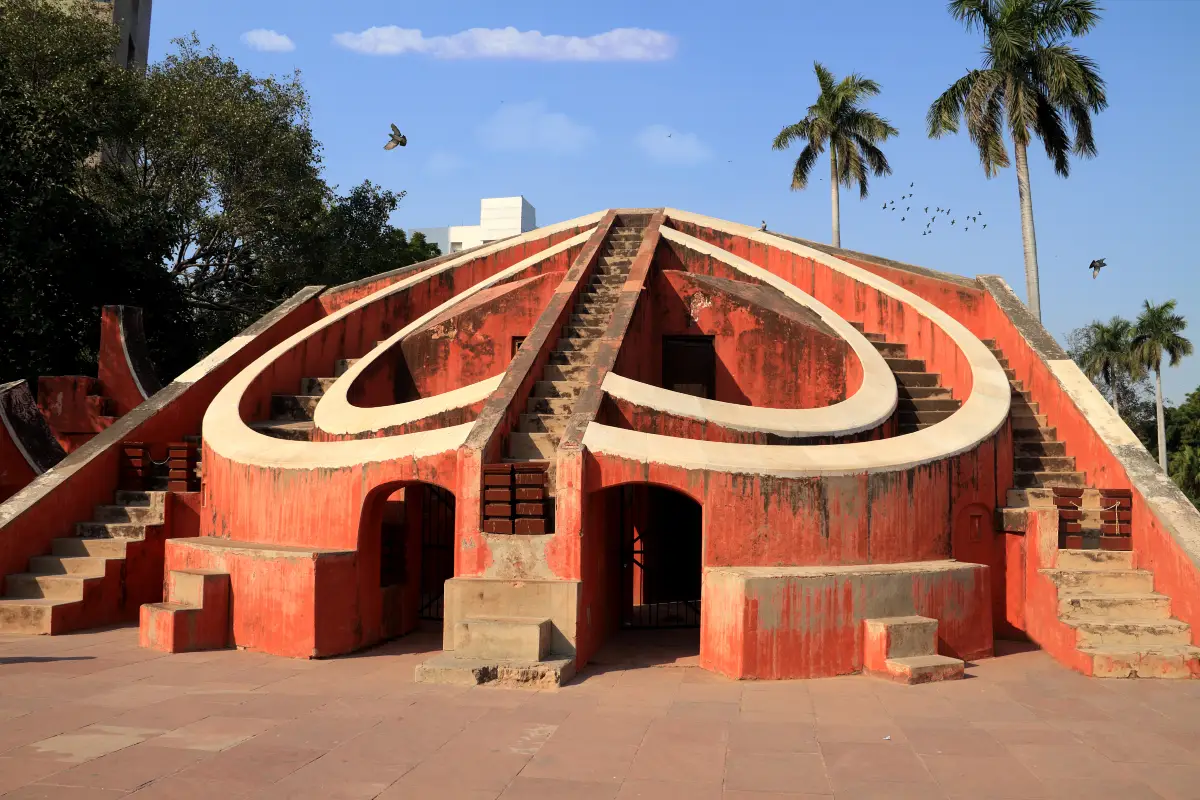
Located on Sansad Marg near Connaught Place, Jantar Mantar in New Delhi is an 18th‑century astronomical observatory built in 1724 by Maharaja Jai Singh II. Designed as an astronomical observatory to measure time, track celestial bodies, and predic...
t eclipses, it is one of the city’s most atmospheric and historically significant landmarks. (Small fees for video can be taken)
more info
t eclipses, it is one of the city’s most atmospheric and historically significant landmarks. (Small fees for video can be taken)
Pracheen Hanuman Mandir, Connaught Place
Historic Place, Religious Sight
2.0 hours
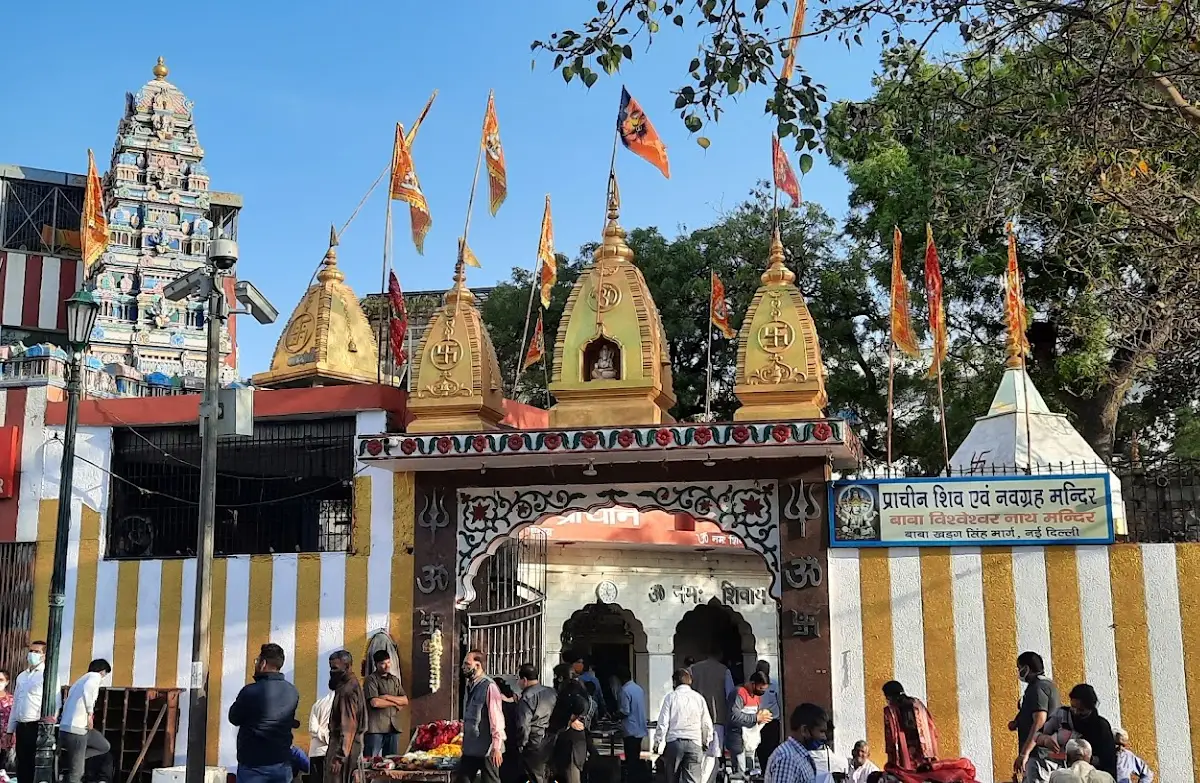
In the bustling heart of Connaught Place stands the Pracheen Hanuman Mandir, a spiritual landmark that blends devotion with history. Believed to date back to the Mahabharata era, the temple is dedicated to Lord Hanuman, the embodiment of strength ...
and devotion. Its shikhara (spire) bears a rare crescent moon, said to have been gifted by a Mughal emperor impressed by Tulsidas’s devotion. Inside, the Bal Hanuman idol radiates serenity, while the temple resonates with the uninterrupted chanting of “Sri Ram Jai Ram Jai Jai Ram,” creating an atmosphere unlike any other.
more info
and devotion. Its shikhara (spire) bears a rare crescent moon, said to have been gifted by a Mughal emperor impressed by Tulsidas’s devotion. Inside, the Bal Hanuman idol radiates serenity, while the temple resonates with the uninterrupted chanting of “Sri Ram Jai Ram Jai Jai Ram,” creating an atmosphere unlike any other.
Gurdwara Bangla Sahib
Historic Place, Religious Sight
2.0 hours
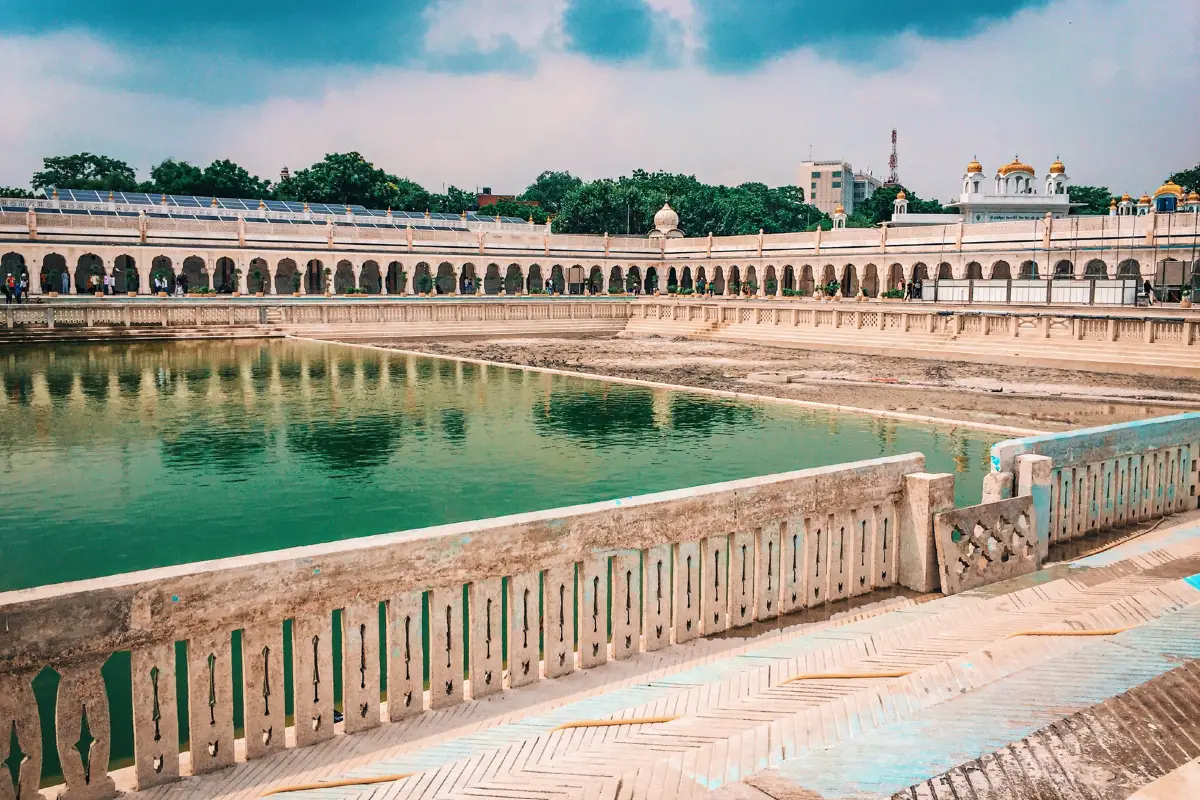
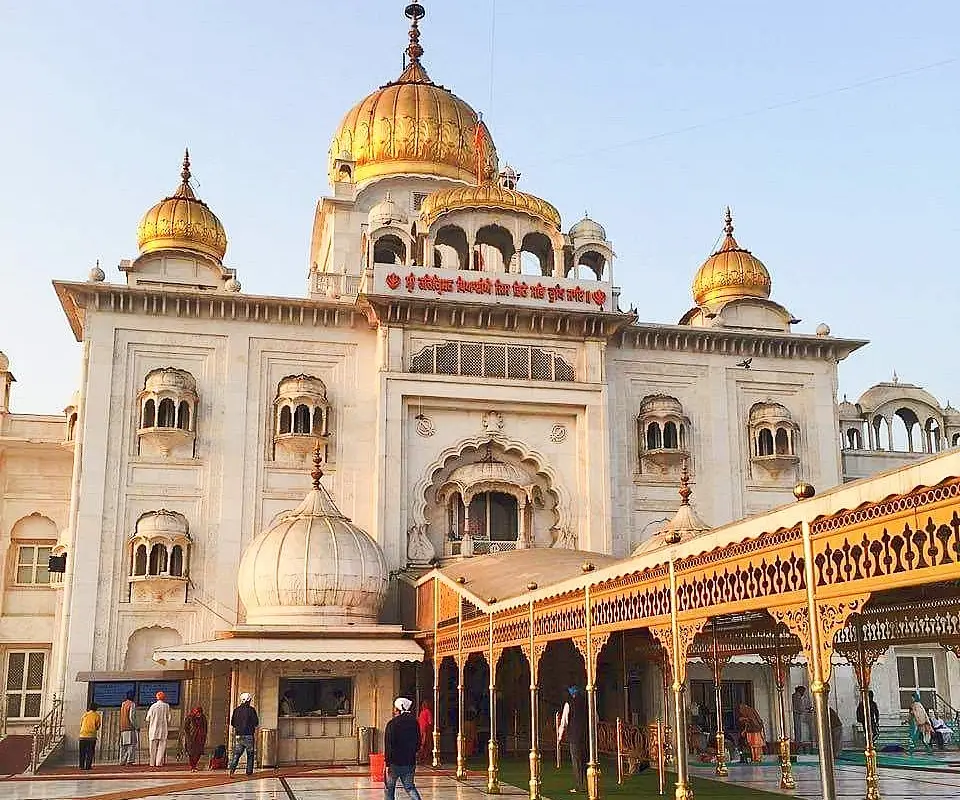
Famous for its golden dome, white marble façade, and the holy Sarovar (pond) within its complex, Gurdwara Bangla Sahib in New Delhi is one of the most prominent Sikh houses of worship, associated with the 8th Sikh Guru, Guru Har Krishan, who staye...
d here in 1664 and served the sick during a smallpox epidemic. It is believed to have healing properties; visitors often take a sip of its water.
more info
d here in 1664 and served the sick during a smallpox epidemic. It is believed to have healing properties; visitors often take a sip of its water.
Day 2
Kashmiri Gate
Historic Place, Monument
1.0 hours
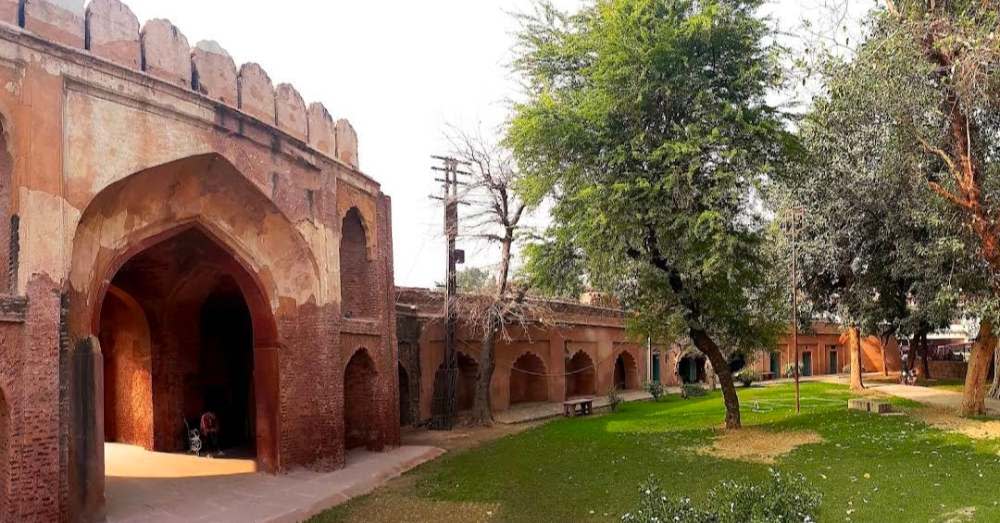
Kashmiri Gate feels like a scar etched into Delhi’s living skin — a weathered sentinel that has watched empires rise and fall. Its red sandstone walls still bear cannonball marks from the 1857 Rebellion, making it less a ruin and more a battlefiel...
d diary carved in stone. Unlike the polished grandeur of Delhi’s other Mughal monuments, Kashmiri Gate whispers of resilience: a place where silence and traffic collide, where history breathes through cracks and shadows. Families visiting sense the weight of centuries, while heritage walkers find themselves tracing the footsteps of soldiers, rebels, and traders who once passed through this northern threshold toward Kashmir.
more info
d diary carved in stone. Unlike the polished grandeur of Delhi’s other Mughal monuments, Kashmiri Gate whispers of resilience: a place where silence and traffic collide, where history breathes through cracks and shadows. Families visiting sense the weight of centuries, while heritage walkers find themselves tracing the footsteps of soldiers, rebels, and traders who once passed through this northern threshold toward Kashmir.
Register Suggestion
Action

Trip plan customization, personalized recommendations, special filters Moods and even more is available for registered users.
Jama Masjid
Historic Place, Religious Sight
2.0 hours
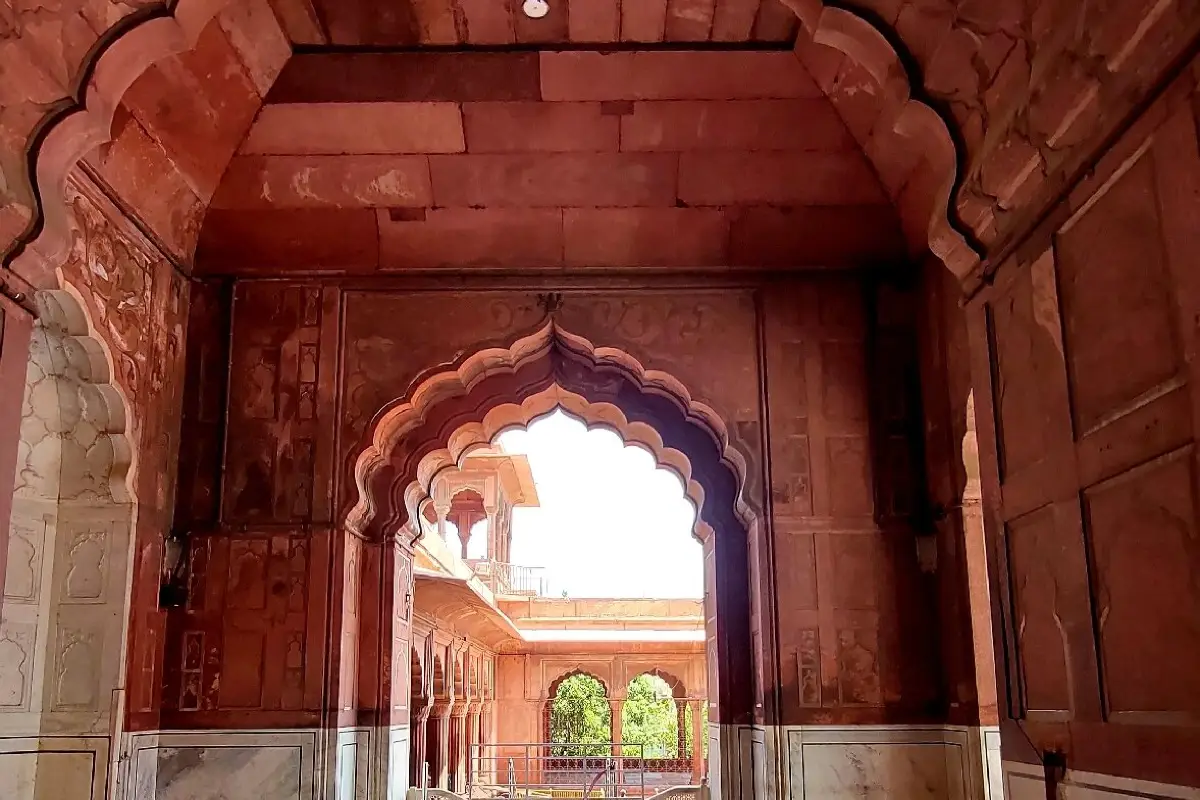
Built by Mughal Emperor Shah Jahan between 1650–1656, Jama Masjid in Old Delhi is India’s largest mosque, accommodating up to 25,000 worshippers and is a masterpiece of Indo-Islamic architecture with red sandstone, marble domes, and towering minar...
ets. It is worth visiting because it is both a spiritual center and a masterpiece of Mughal architecture. {(Daily: 7:00 AM – 12:00 PM, 1:30 PM – 6:30 PM) Closed during prayer times for non-Muslim visitors}
more info
ets. It is worth visiting because it is both a spiritual center and a masterpiece of Mughal architecture. {(Daily: 7:00 AM – 12:00 PM, 1:30 PM – 6:30 PM) Closed during prayer times for non-Muslim visitors}
Red Fort
Historic Place, Monument, Park
2.0 hours
$5.33
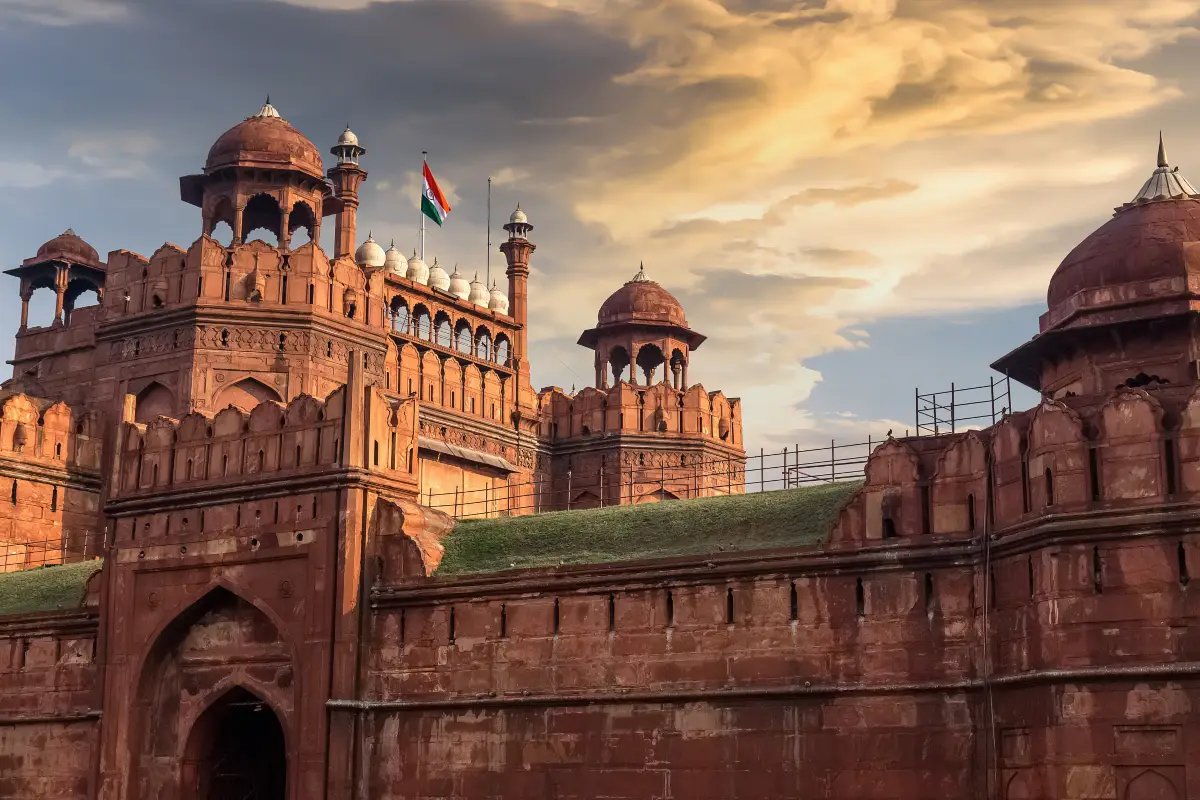
Built by Mughal Emperor Shah Jahan in 1639, The Red Fort (Lal Qila) in Old Delhi is a UNESCO World Heritage Site and one of India’s most iconic monuments. Its role in both Mughal history and modern India makes it a unique blend of past and present...
. (A fee for photos and videos can be taken)
more info
. (A fee for photos and videos can be taken)
Raj Ghat Memorial New Delhi
Historic Place, Monument, Park
2.0 hours
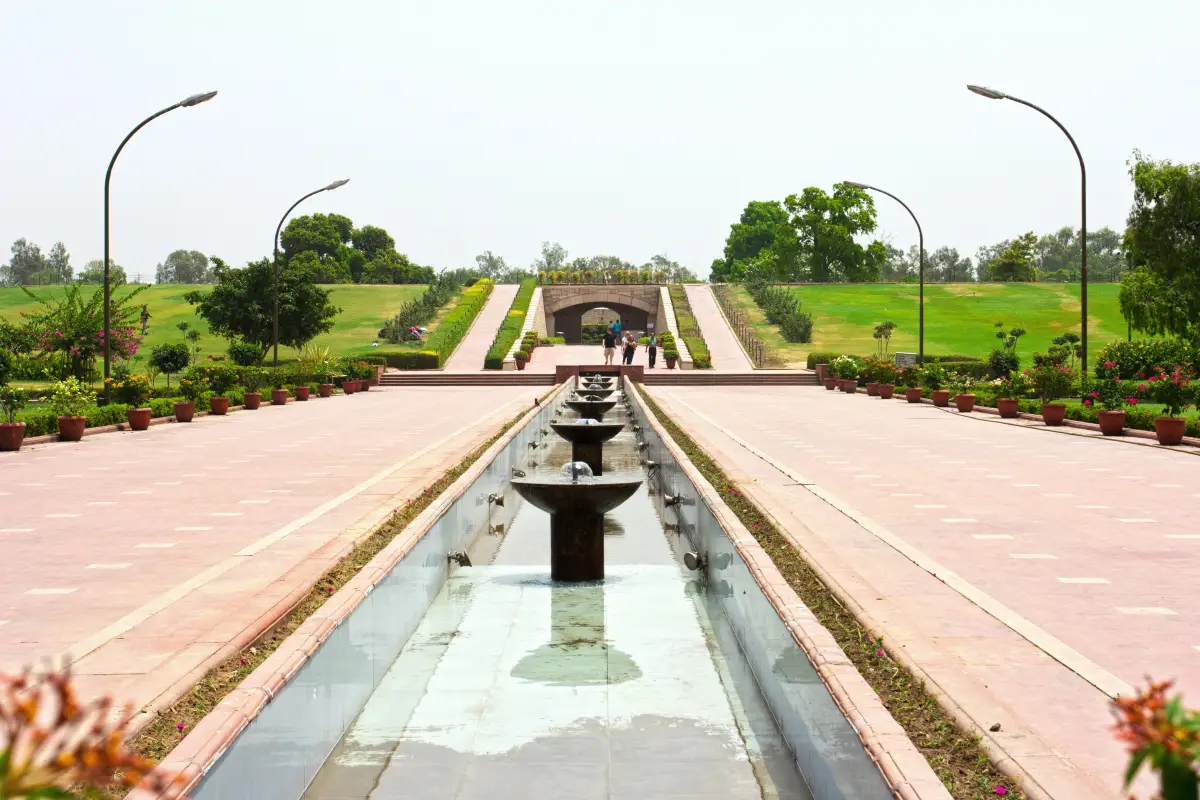
Built in 1948 after Mahatma Gandhi’s assassination and cremation, Raj Ghat Memorial in New Delhi is one of India’s most atmospheric and historically significant sites. Featuring a black marble platform inscribed with Gandhi’s last words “Hey Ram”,...
accompanied by an eternal flame that symbolizes his enduring legacy, its simplicity reflects Gandhi’s philosophy of humility and peace.
more info
accompanied by an eternal flame that symbolizes his enduring legacy, its simplicity reflects Gandhi’s philosophy of humility and peace.
Day 3
Humayun’s Tomb
Historic Place, Monument
2.0 hours
$7.0
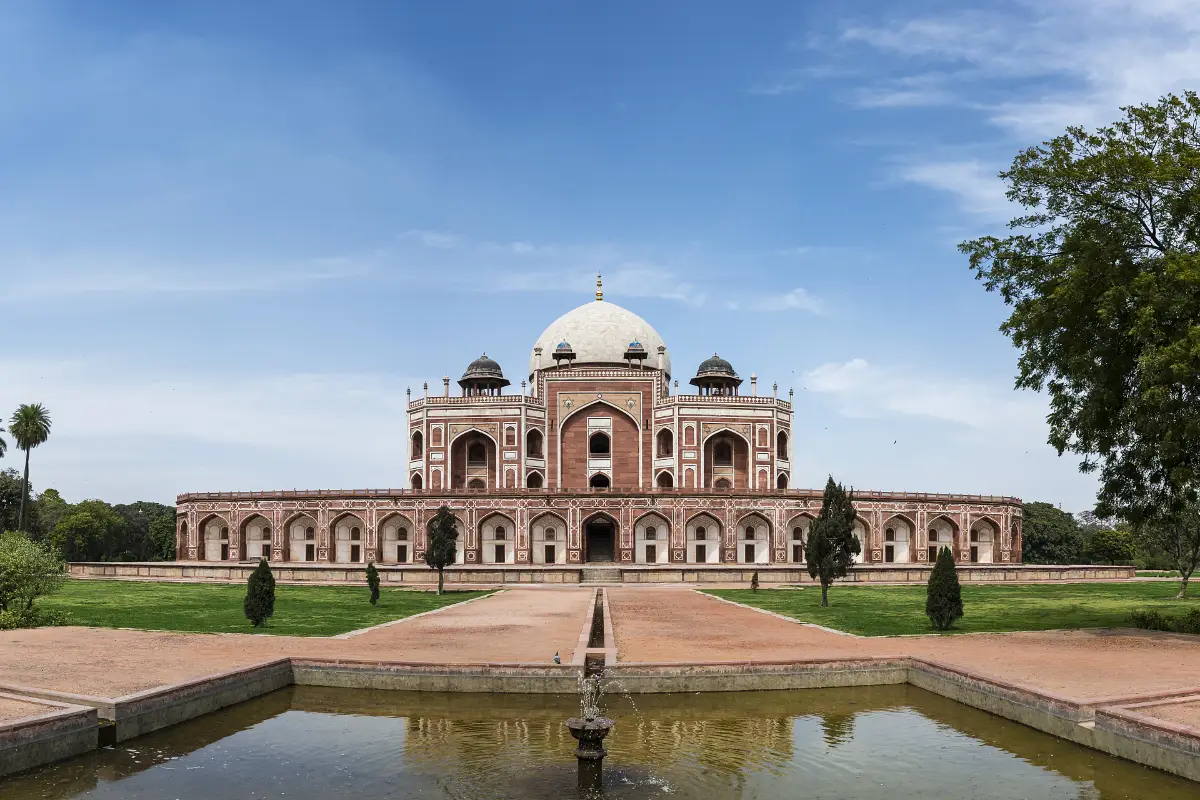
Often called the “precursor to the Taj Mahal” because of its pioneering garden-tomb design, Humayun’s Tomb is one of Delhi’s most iconic Mughal monuments, built in 1565 by Empress Bega Begum (Humayun’s widow). It was the first grand Mughal tomb in...
India and set the template for later masterpieces. Visiting it offers both a historical journey and a peaceful retreat in the heart of Delhi. (A small fee can be taken for video.)
more info
India and set the template for later masterpieces. Visiting it offers both a historical journey and a peaceful retreat in the heart of Delhi. (A small fee can be taken for video.)
Shri Sai Baba Mandir
Historic Place, Religious Sight
2.0 hours
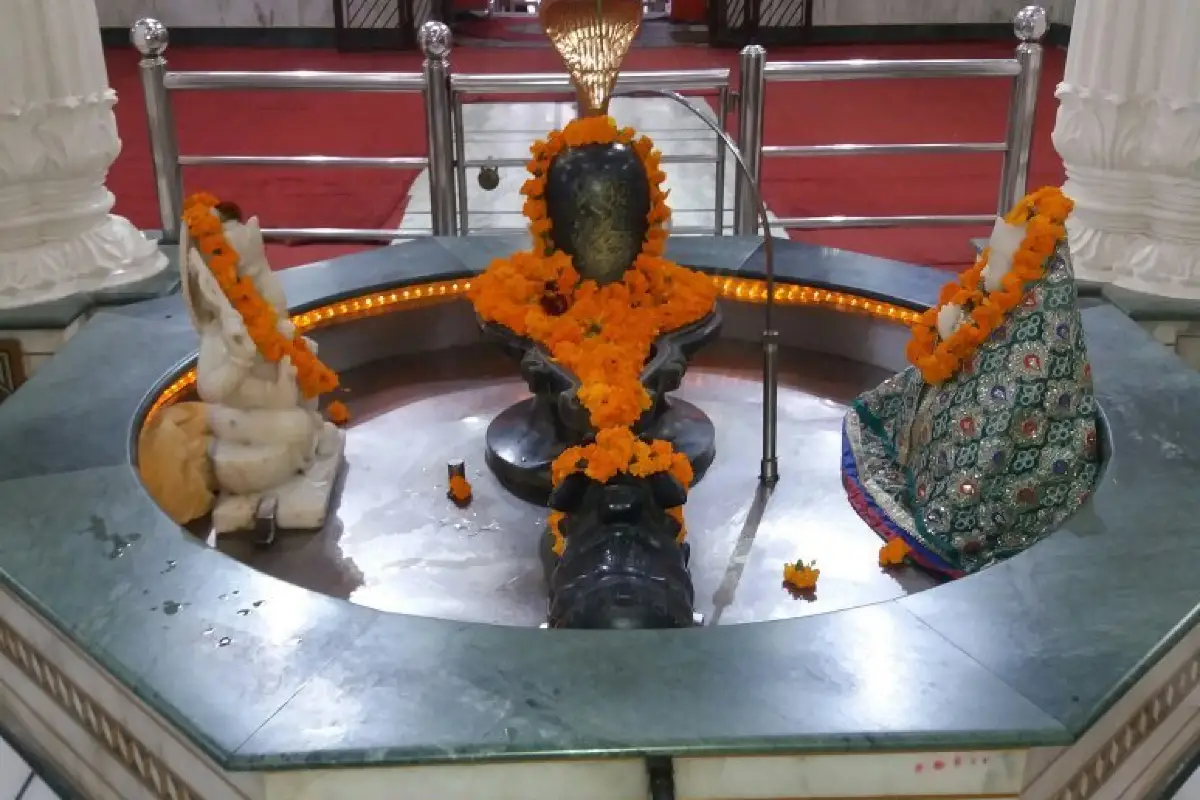
The Shri Sai Baba Mandir in Lodhi Road was established in 1968 by the Shri Sai Bhakta Samaj. It is considered the first major Sai Baba shrine in North India and has grown into a spiritual hub for devotees. The temple is modeled after the famous Sh...
irdi shrine, with a central idol of Sai Baba adorned with garlands and seated on a silver throne. The temple is especially vibrant during aartis, when devotees gather for prayers and bhajans.
more info
irdi shrine, with a central idol of Sai Baba adorned with garlands and seated on a silver throne. The temple is especially vibrant during aartis, when devotees gather for prayers and bhajans.
Safdarjung Tomb
Historic Place, Monument, Park
2.0 hours
$4.0
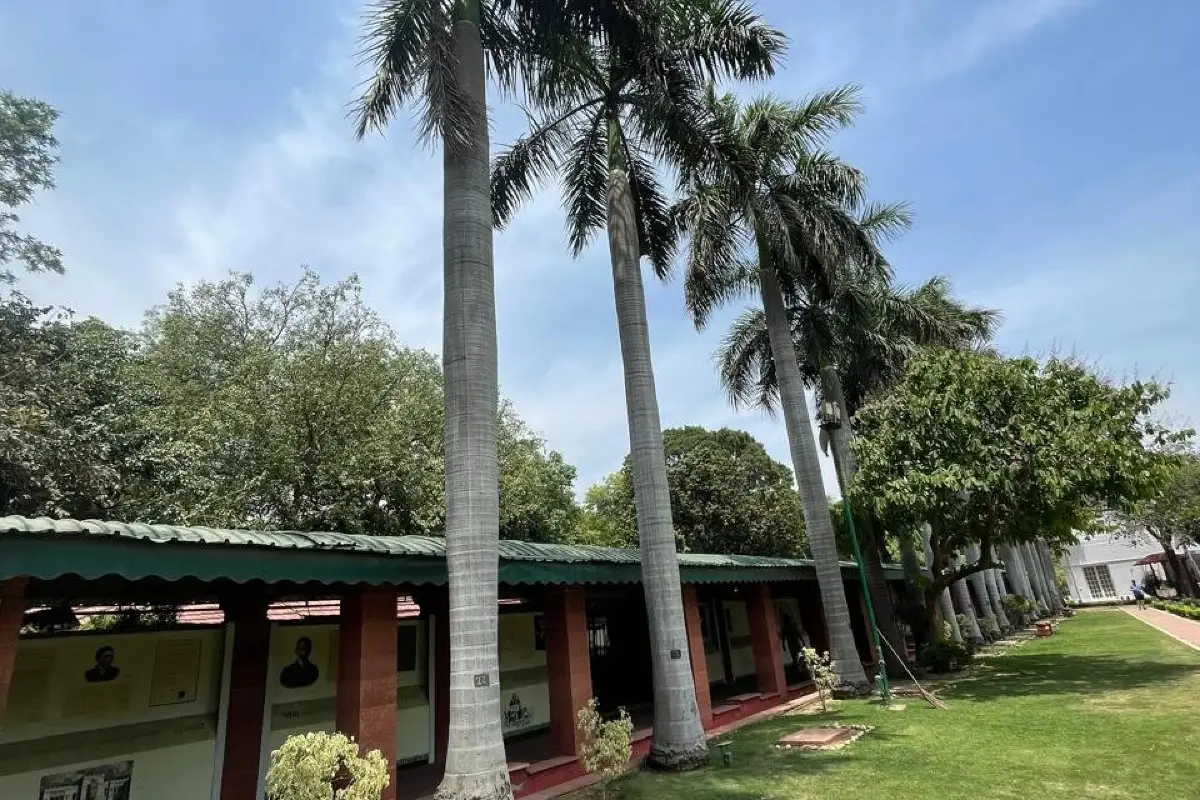
Safdarjung Tomb, built in 1753–54 by Nawab Shuja‑ud‑Daulah for his father Safdarjung (the viceroy of Awadh under Mughal Emperor Mohammed Shah), is considered the last monumental garden tomb of the Mughals. Its design follows the tradition of Humay...
un’s Tomb but on a smaller scale. The mausoleum is constructed with red sandstone and marble, featuring a large central dome, arched entrances, and symmetrical Mughal gardens.
more info
un’s Tomb but on a smaller scale. The mausoleum is constructed with red sandstone and marble, featuring a large central dome, arched entrances, and symmetrical Mughal gardens.
Hauz Khas Complex
Historic Place, Monument
2.0 hours
$3.0
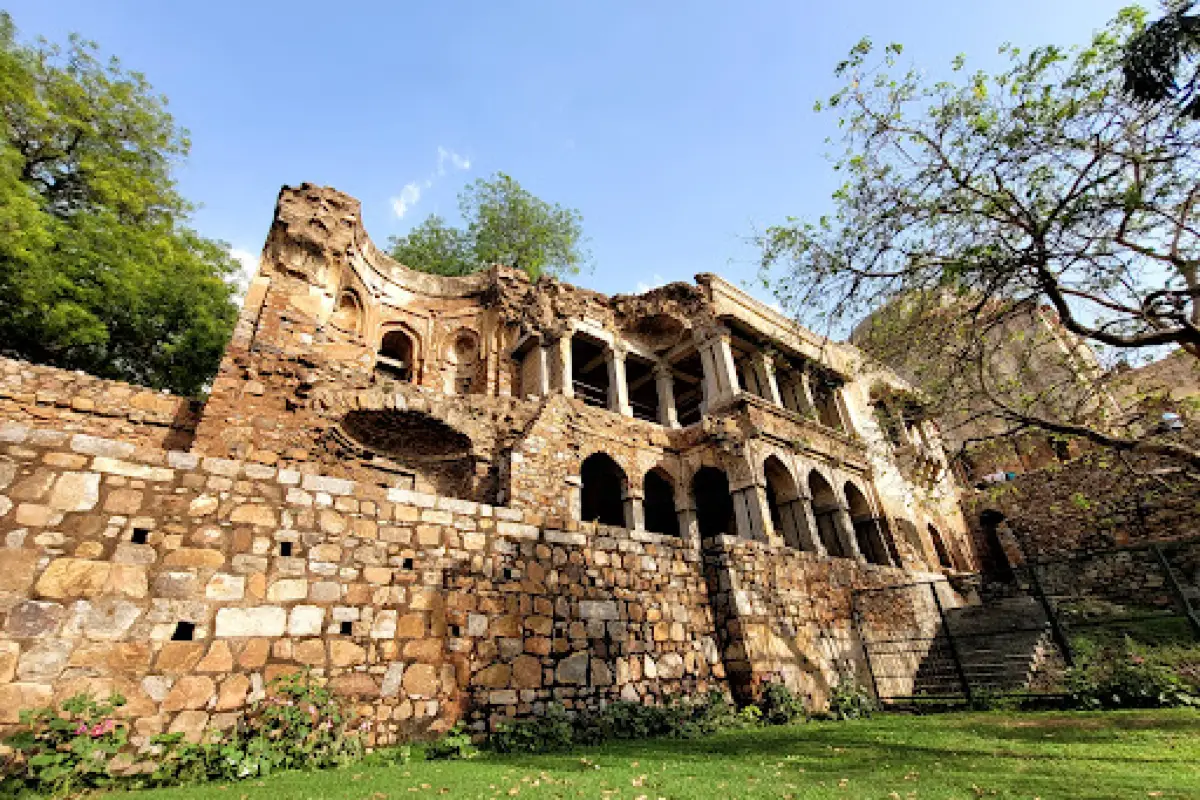
Hauz Khas Complex is where Delhi’s past and present meet in striking contrast. Built under Alauddin Khilji in the 13th century, the site once served as a royal water reservoir and Islamic seminary. Today, its moss‑covered pavilions, domed tombs, a...
nd mosque overlook the tranquil lake, offering a glimpse into medieval Delhi’s grandeur. Yet just beyond the ruins lies Hauz Khas Village — a vibrant hub of art galleries, boutiques, and cafés. The experience is layered: you wander through centuries‑old stone corridors, then step into buzzing lanes alive with contemporary culture. Families enjoy the open spaces and lake views, while history enthusiasts linger at Flagstaff Tower and Chauburja Mosque nearby. It’s both a heritage walk and a lifestyle destination, making it one of Delhi’s most distinctive attractions.
more info
nd mosque overlook the tranquil lake, offering a glimpse into medieval Delhi’s grandeur. Yet just beyond the ruins lies Hauz Khas Village — a vibrant hub of art galleries, boutiques, and cafés. The experience is layered: you wander through centuries‑old stone corridors, then step into buzzing lanes alive with contemporary culture. Families enjoy the open spaces and lake views, while history enthusiasts linger at Flagstaff Tower and Chauburja Mosque nearby. It’s both a heritage walk and a lifestyle destination, making it one of Delhi’s most distinctive attractions.
Day 4
Sankat Mochan Dham
Historic Place, Religious Sight

2.0 hours
Hanuman Mandir in Karol Bagh is not just a temple — it’s a striking symbol of devotion that dominates the skyline with its colossal statue of Lord Hanuman. Known locally as Sankat Mochan Dham, the temple was envisioned by Brahmalin Baba Naga Baba ...
Shri Sewagiri Ji Maharaj, who began its construction in 1994 after a divine vision. Completed in 2007, the temple houses a unique feature: on special occasions, the statue opens to reveal Lord Ram and Sita within Hanuman’s heart, a powerful reminder of his eternal devotion. The temple’s atmosphere is vibrant yet serene, with chants, incense, and the steady flow of devotees creating a spiritual rhythm. Families often visit for blessings, while the temple’s accessibility makes it a welcoming stop for travelers exploring Karol Bagh.
more info
Shri Sewagiri Ji Maharaj, who began its construction in 1994 after a divine vision. Completed in 2007, the temple houses a unique feature: on special occasions, the statue opens to reveal Lord Ram and Sita within Hanuman’s heart, a powerful reminder of his eternal devotion. The temple’s atmosphere is vibrant yet serene, with chants, incense, and the steady flow of devotees creating a spiritual rhythm. Families often visit for blessings, while the temple’s accessibility makes it a welcoming stop for travelers exploring Karol Bagh.
Shri Laxmi Narayan Temple (Birla Mandir)
Historic Place, Monument, Religious Sight
2.0 hours
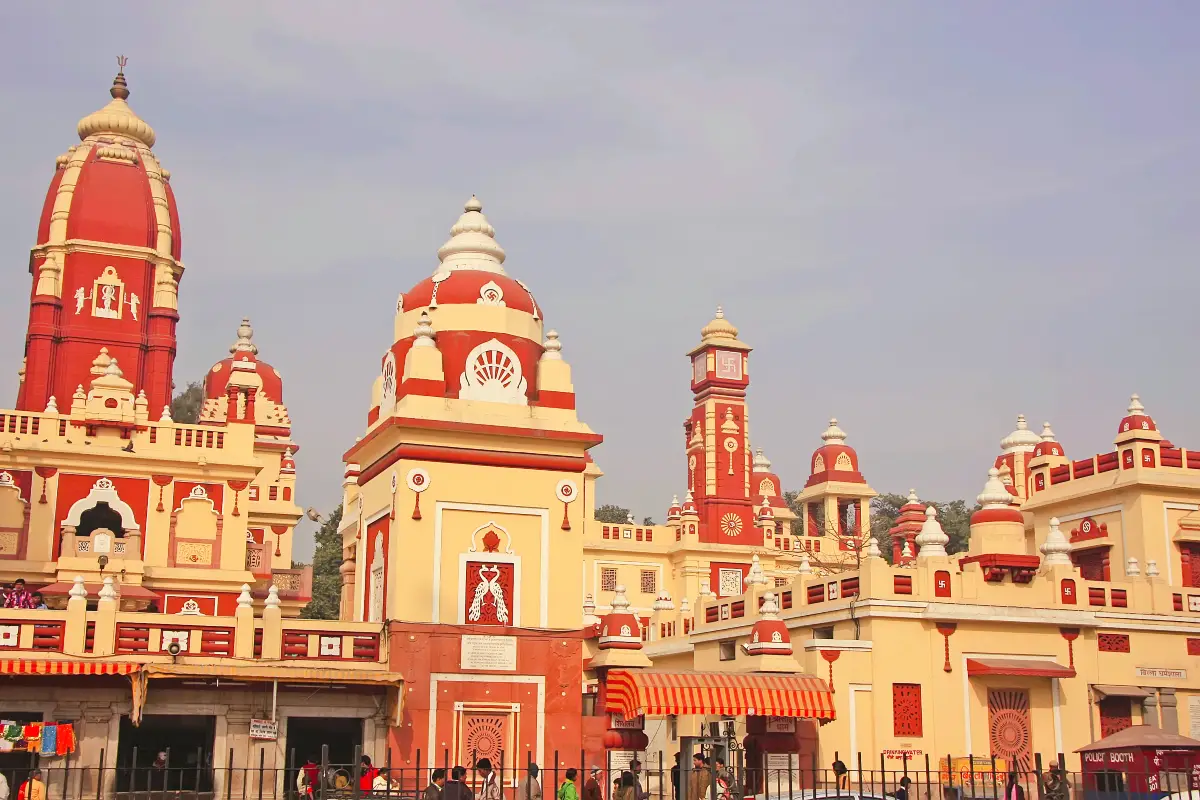
Built in 1939 by Baldeo Das Birla and inaugurated by Mahatma Gandhi, the Birla Mandir is a landmark of Delhi’s spiritual and cultural heritage. The temple is dedicated to Lord Vishnu (Narayan) and his consort Goddess Laxmi, symbolizing preservatio...
n and prosperity. Its architecture blends traditional Hindu temple design with modern elements, featuring red and yellow domes, intricate carvings, and spacious courtyards. Gandhi insisted that the temple be open to all castes, making it a symbol of inclusivity. (Daily: 4:30 AM – 1:30 PM and 2:30 PM – 9:00 PM)
more info
n and prosperity. Its architecture blends traditional Hindu temple design with modern elements, featuring red and yellow domes, intricate carvings, and spacious courtyards. Gandhi insisted that the temple be open to all castes, making it a symbol of inclusivity. (Daily: 4:30 AM – 1:30 PM and 2:30 PM – 9:00 PM)
Rashtrapati Bhavan
Historic Place, Monument
2.0 hours
$1.0
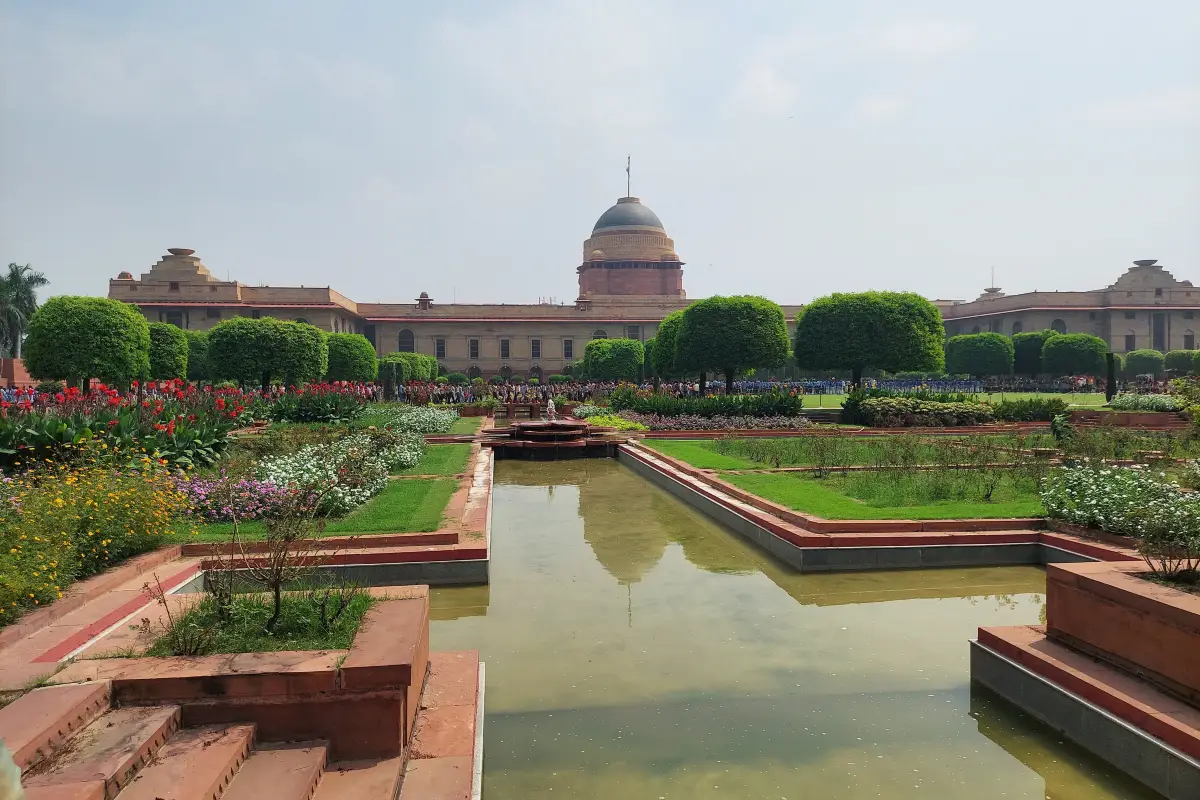
Perched atop Raisina Hill, Rashtrapati Bhavan is more than a presidential residence, it’s a living monument to India’s history and architectural grandeur. Designed by Sir Edwin Lutyens in 1929, its sweeping dome, colonnades, and Mughal-inspired ga...
rdens blend imperial ambition with Indian artistry. Walking through its vast courtyards and manicured lawns, visitors sense both the weight of governance and the elegance of tradition. The Amrit Udyan (formerly Mughal Gardens) bursts into seasonal bloom, while the museum circuits reveal treasures of India’s democratic journey. It’s a place where power, heritage, and beauty converge.
more info
rdens blend imperial ambition with Indian artistry. Walking through its vast courtyards and manicured lawns, visitors sense both the weight of governance and the elegance of tradition. The Amrit Udyan (formerly Mughal Gardens) bursts into seasonal bloom, while the museum circuits reveal treasures of India’s democratic journey. It’s a place where power, heritage, and beauty converge.
Gurudwara Moti Bagh Sahib
Historic Place, Religious Sight
2.0 hours
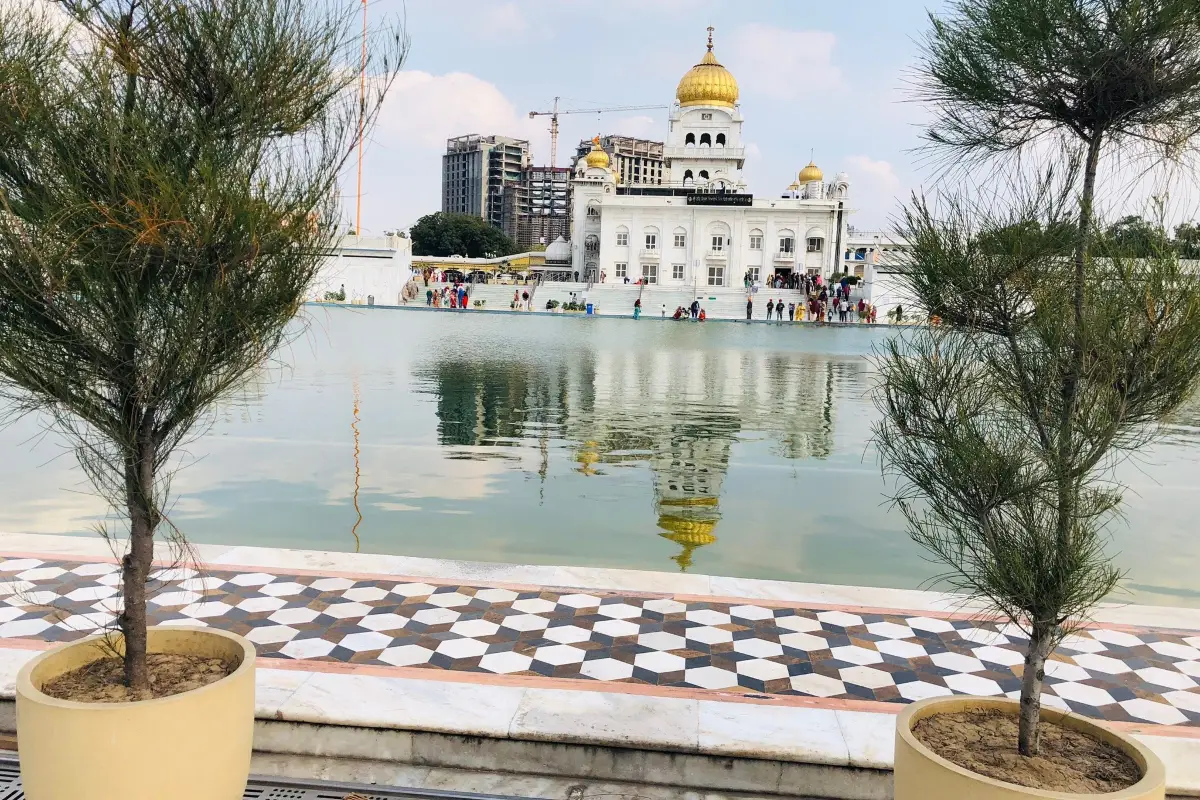
Gurudwara Moti Bagh Sahib stands as a living testament to Sikh valor and devotion. Once known as Mochi Bagh, this site became immortal when Guru Gobind Singh Ji camped here with his army. The Guru’s remarkable archery — arrows shot from miles away...
that struck Bahadur Shah’s throne in the Red Fort — is remembered as both a miracle and a demonstration of skill. Today, the Gurudwara radiates serenity amidst Delhi’s bustle, with its white domes and prayer halls welcoming devotees and visitors alike. The atmosphere is deeply spiritual yet accessible, where the rhythm of kirtan blends with the warmth of langar (community kitchen), making it a family‑friendly space of reflection and service.
more info
that struck Bahadur Shah’s throne in the Red Fort — is remembered as both a miracle and a demonstration of skill. Today, the Gurudwara radiates serenity amidst Delhi’s bustle, with its white domes and prayer halls welcoming devotees and visitors alike. The atmosphere is deeply spiritual yet accessible, where the rhythm of kirtan blends with the warmth of langar (community kitchen), making it a family‑friendly space of reflection and service.
Day 5
Tughlaqabad Fort Delhi
Historic Place

2.0 hours
$2.0
Rising from the rocky terrain of South Delhi, Tughlaqabad Fort feels like a fortress carved out of myth. Its massive stone ramparts stretch across the landscape, echoing the ambition of Ghiyasuddin Tughlaq, who envisioned an unbreachable stronghol...
d against Mongol invasions. Though abandoned within a decade of its construction, the fort’s ruins still carry an aura of power and mystery. Walking through its crumbling gateways and silent courtyards, visitors sense both grandeur and desolation, a haunting reminder of Delhi’s medieval past, where ambition met fate and legend.
more info
d against Mongol invasions. Though abandoned within a decade of its construction, the fort’s ruins still carry an aura of power and mystery. Walking through its crumbling gateways and silent courtyards, visitors sense both grandeur and desolation, a haunting reminder of Delhi’s medieval past, where ambition met fate and legend.
Mehrauli Archaeological Park
Historic Place, Park
2.0 hours
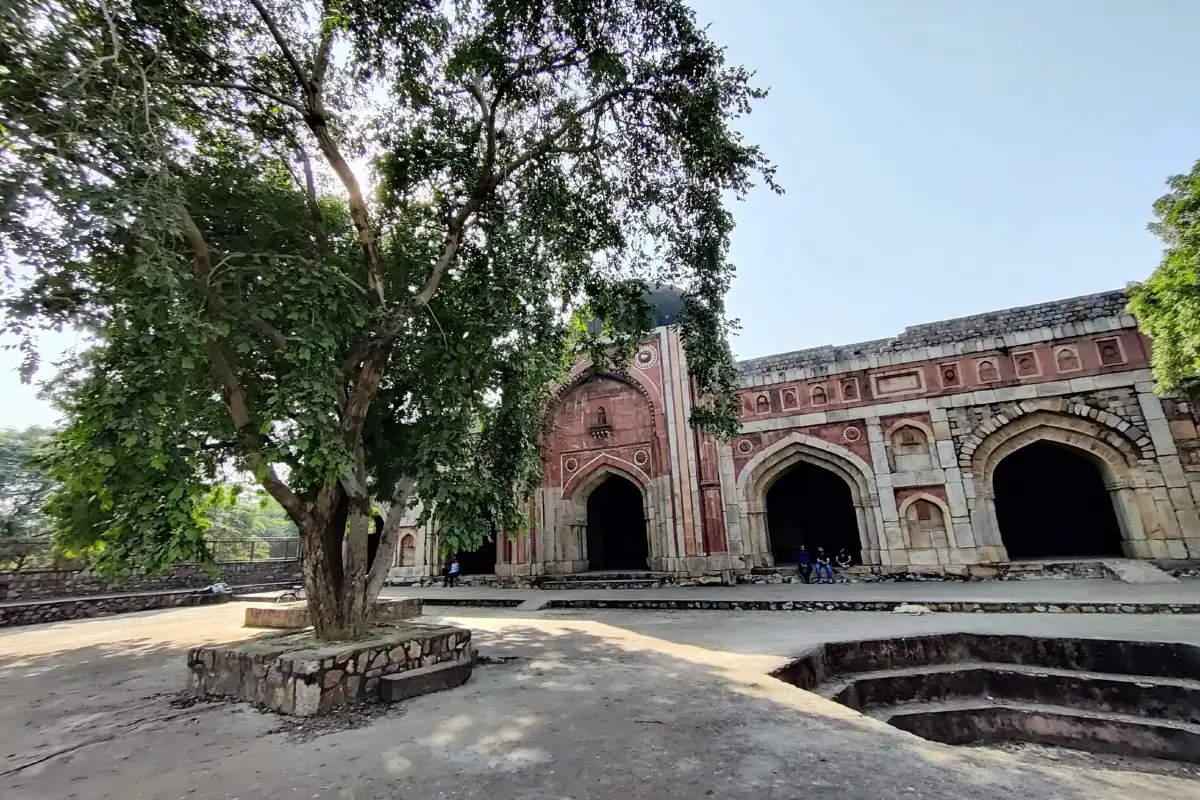
Imagine owning Delhi’s oldest fort and its surrounding ruins: the Lal Kot walls built by the Tomar Rajputs, the elegant Jamali Kamali mosque and tomb, Balban’s tomb with its early Islamic arches, and stepwells that whisper centuries of stories. Fa...
milies can wander shaded paths, children can explore hidden courtyards, and history enthusiasts find endless layers of dynasties — Tuglaq, Lodi, Mughal, and British — all in one place. It feels like a personal time capsule, where every stone belongs to you.
more info
milies can wander shaded paths, children can explore hidden courtyards, and history enthusiasts find endless layers of dynasties — Tuglaq, Lodi, Mughal, and British — all in one place. It feels like a personal time capsule, where every stone belongs to you.
Dadabari Jain Shwetambar Mandir , Mehrauli Delhi
Historic Place, Religious Sight

2.0 hours
Dadabari Jain Shwetambar Mandir feels like a timeless sanctuary tucked into Mehrauli’s historic lanes. Rising in white marble along Zafar Mahal Road, the temple blends Mughal‑era heritage with Jain devotion. Its courtyards are decorated with mosai...
cs of stone and mirror, while the main sanctum honors Guru Manidhari Jinachandra Sri Ji, a revered Jain saint from the 1100s. Devotees in white robes gather for prayers, and visitors often remark on the temple’s peaceful, well‑maintained environment. Unlike ornamental shrines, its charm lies in continuity — centuries of worship preserved in a living, community‑anchored space.
more info
cs of stone and mirror, while the main sanctum honors Guru Manidhari Jinachandra Sri Ji, a revered Jain saint from the 1100s. Devotees in white robes gather for prayers, and visitors often remark on the temple’s peaceful, well‑maintained environment. Unlike ornamental shrines, its charm lies in continuity — centuries of worship preserved in a living, community‑anchored space.
Jahaz Mahal (Ship Palace)
Historic Place

2.0 hours
Jahaz Mahal feels like a vessel moored in time. Its name — “Ship Palace” — comes alive when you stand before its reflection shimmering in the waters of Hauz-i-Shamsi. Built during the Lodi period, the palace once offered respite to royalty during ...
monsoons and shelter to pilgrims. Today, its weathered arches and domes whisper of centuries of devotion, leisure, and community. During the Phool Waalon ki Sair festival, the monument transforms into a stage where Hindus and Muslims together celebrate with qawwali music and Kathak dance, turning the ruins into a living symbol of Delhi’s shared heritage.
more info
monsoons and shelter to pilgrims. Today, its weathered arches and domes whisper of centuries of devotion, leisure, and community. During the Phool Waalon ki Sair festival, the monument transforms into a stage where Hindus and Muslims together celebrate with qawwali music and Kathak dance, turning the ruins into a living symbol of Delhi’s shared heritage.
Day 6
Dr. Ambedkar National Memorial
Historic Place, Museum

2.0 hours
The Dr. Ambedkar National Memorial is more than a museum — it is a symbolic constitution carved in stone. Designed to resemble an open book, the memorial blends modern architecture with Buddhist motifs, reflecting Ambedkar’s vision of equality and...
enlightenment. Inside, visitors encounter immersive galleries that trace his journey from childhood struggles to drafting India’s Constitution. A 12‑foot bronze statue, musical fountains, and a replica of the Ashoka pillar at Sarnath anchor the complex, while exhibits vividly capture his final years at Alipur Road. Unlike Delhi’s historic forts and palaces, this memorial is about ideas — justice, dignity, and social reform — embodied in a space that feels both solemn and inspiring.
more info
enlightenment. Inside, visitors encounter immersive galleries that trace his journey from childhood struggles to drafting India’s Constitution. A 12‑foot bronze statue, musical fountains, and a replica of the Ashoka pillar at Sarnath anchor the complex, while exhibits vividly capture his final years at Alipur Road. Unlike Delhi’s historic forts and palaces, this memorial is about ideas — justice, dignity, and social reform — embodied in a space that feels both solemn and inspiring.
Shri Gauri Shankar Temple - Chandni Chowk, Delhi
Historic Place, Religious Sight

2.0 hours
Shri Gauri Shankar Temple stands as a spiritual anchor in the bustling lanes of Chandni Chowk. Dedicated to Lord Shiva and Goddess Parvati, the temple houses an 800‑year‑old Lingam, encased in marble and surrounded by silver snakes, symbolizing co...
smic energy. Its sanctum radiates devotion, while the temple’s history traces back to a soldier of the Maratha clan who built it in gratitude after surviving a battle injury. Unlike Delhi’s monumental forts and mosques, this temple offers an intimate, devotional experience — a place where the rhythm of daily worship blends seamlessly with centuries of tradition. (Daily: 5:00 AM – 10:00 AM, 5:00 PM – 10:00 PM)
more info
smic energy. Its sanctum radiates devotion, while the temple’s history traces back to a soldier of the Maratha clan who built it in gratitude after surviving a battle injury. Unlike Delhi’s monumental forts and mosques, this temple offers an intimate, devotional experience — a place where the rhythm of daily worship blends seamlessly with centuries of tradition. (Daily: 5:00 AM – 10:00 AM, 5:00 PM – 10:00 PM)
Gurdwara Sis Ganj Sahib
Historic Place, Monument, Religious Sight
1.0 hours
Built in 1783 to commemorate the martyrdom of Guru Tegh Bahadur, the ninth Sikh Guru, Gurdwara Sis Ganj Sahib in Chandni Chowk, Old Delhi, is a historic Sikh shrine a powerful symbol of religious freedom.
Haveli Mirza Ghalib
Historic Place, Museum
2.0 hours
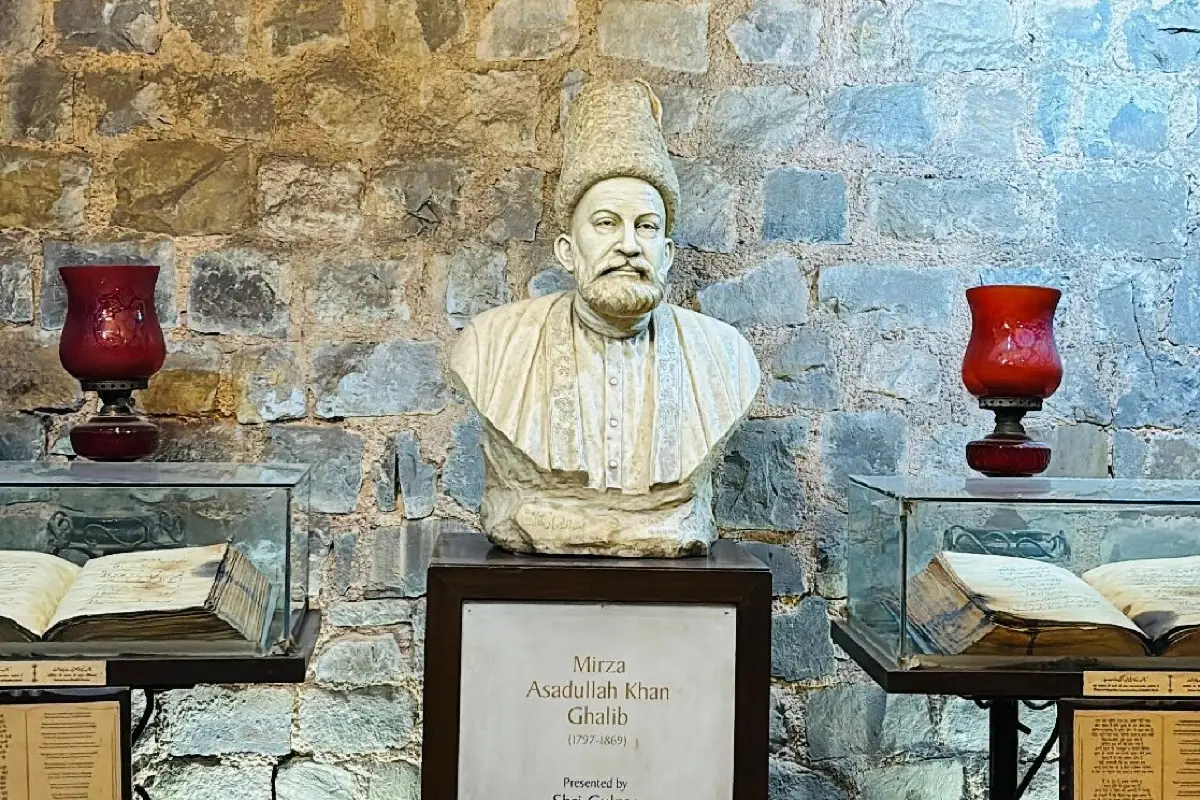
Haveli Mirza Ghalib is less a monument and more a living diary of Delhi’s poetic soul. Hidden in the narrow lanes of Ballimaran, this modest Mughal-era mansion once sheltered Ghalib during the twilight of the empire. Its brick arches and carved co...
lumns whisper of evenings spent in verse, while exhibits of handwritten poems, portraits of contemporaries, and a life-size replica of Ghalib with his hookah turn the space into an intimate encounter with genius. Unlike grand forts or palaces, the haveli’s charm lies in its intimacy — a place where visitors feel they are stepping into the poet’s personal world, surrounded by echoes of wit, melancholy, and timeless Urdu couplets. For families, it’s accessible and educational; for literature lovers, it’s a pilgrimage.
more info
lumns whisper of evenings spent in verse, while exhibits of handwritten poems, portraits of contemporaries, and a life-size replica of Ghalib with his hookah turn the space into an intimate encounter with genius. Unlike grand forts or palaces, the haveli’s charm lies in its intimacy — a place where visitors feel they are stepping into the poet’s personal world, surrounded by echoes of wit, melancholy, and timeless Urdu couplets. For families, it’s accessible and educational; for literature lovers, it’s a pilgrimage.
Day 7
ISKCON EAST DELHI
Historic Place, Religious Sight
2.0 hours
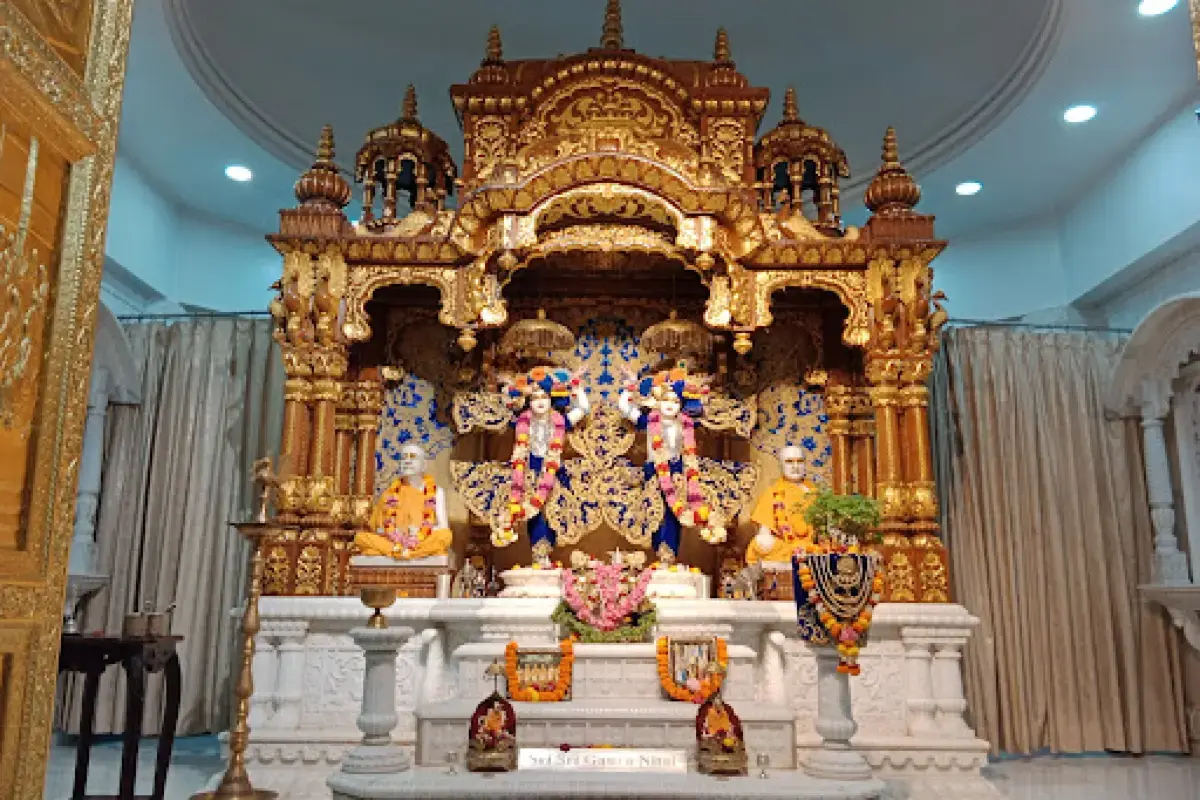
ISKCON East Delhi is less a temple and more a living theatre of devotion. Its white marble façade and ornate interiors glow with chants of Hare Krishna, while the main sanctum radiates serenity through the deities of Radha and Krishna. Unlike Delh...
i’s historic shrines, this temple thrives on community engagement — daily kirtans, Bhagavad Gita discourses, youth programs, and cultural festivals like Janmashtami transform it into a spiritual campus. Families find it welcoming, travelers discover a slice of Vaishnav tradition, and seekers experience devotion expressed through music, dance, and food. (Opening Hours: Morning: 4:30 AM – 1:00 PM, Evening: 4:00 PM – 9:00 PM)
more info
i’s historic shrines, this temple thrives on community engagement — daily kirtans, Bhagavad Gita discourses, youth programs, and cultural festivals like Janmashtami transform it into a spiritual campus. Families find it welcoming, travelers discover a slice of Vaishnav tradition, and seekers experience devotion expressed through music, dance, and food. (Opening Hours: Morning: 4:30 AM – 1:00 PM, Evening: 4:00 PM – 9:00 PM)
Gufa Wala temple
Historic Place, Religious Sight
2.0 hours
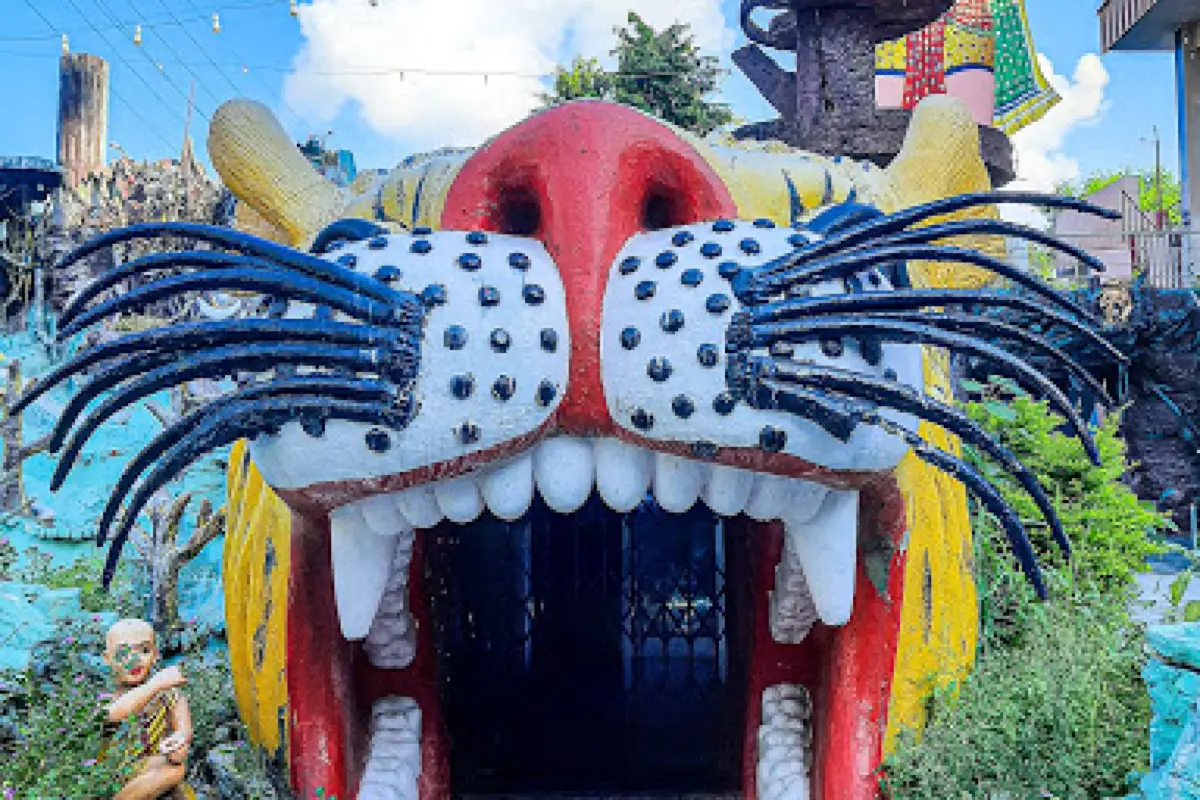
Gufa Wala Temple feels like stepping into a living myth. Its cave‑like corridors twist and turn, leading worshippers past towering idols of Shiva, Ganesh, Hanuman, and Krishna. The dimly lit gufa (cave) creates an atmosphere of mystery, where echo...
es of mantras mingle with the scent of incense. Families arrive for darshan, children marvel at the statues, and devotees pause in the cool stone chambers to reflect. Festivals transform the temple into a glowing hub of devotion — Shivaratri nights, Navratri chowkis, and Diwali lights make the cave shimmer like a sacred jewel in East Delhi. (Timings: General temple: 5:00 AM – 12:00 PM, 5:00 PM – 9:00 PM, Cave section: 7:00 AM – 12:00 PM, 5:00 PM – 9:00 PM)
more info
es of mantras mingle with the scent of incense. Families arrive for darshan, children marvel at the statues, and devotees pause in the cool stone chambers to reflect. Festivals transform the temple into a glowing hub of devotion — Shivaratri nights, Navratri chowkis, and Diwali lights make the cave shimmer like a sacred jewel in East Delhi. (Timings: General temple: 5:00 AM – 12:00 PM, 5:00 PM – 9:00 PM, Cave section: 7:00 AM – 12:00 PM, 5:00 PM – 9:00 PM)
Swaminarayan Akshardham
Historic Place, Religious Sight
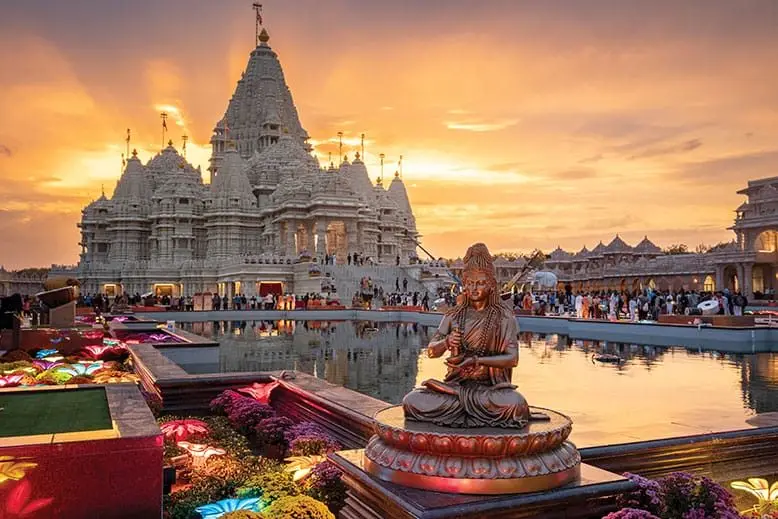
4.0 hours
Built from pink sandstone and white marble, without steel, symbolizing timelessness, Swaminarayan Akshardham in New Delhi is one of the largest Hindu temple complexes in the world, renowned for its intricately carved sandstone and marble structure...
s, vast gardens, exhibitions and spectacular evening water show, making it one of Delhi’s most engaging family destinations. (Entry to the temple and gardens is free, while exhibitions and the musical fountain have ticketed fees.)
more info
s, vast gardens, exhibitions and spectacular evening water show, making it one of Delhi’s most engaging family destinations. (Entry to the temple and gardens is free, while exhibitions and the musical fountain have ticketed fees.)
Day 8
Guru Ji Ka Ashram (Bade Mandir)
Historic Place, Religious Sight
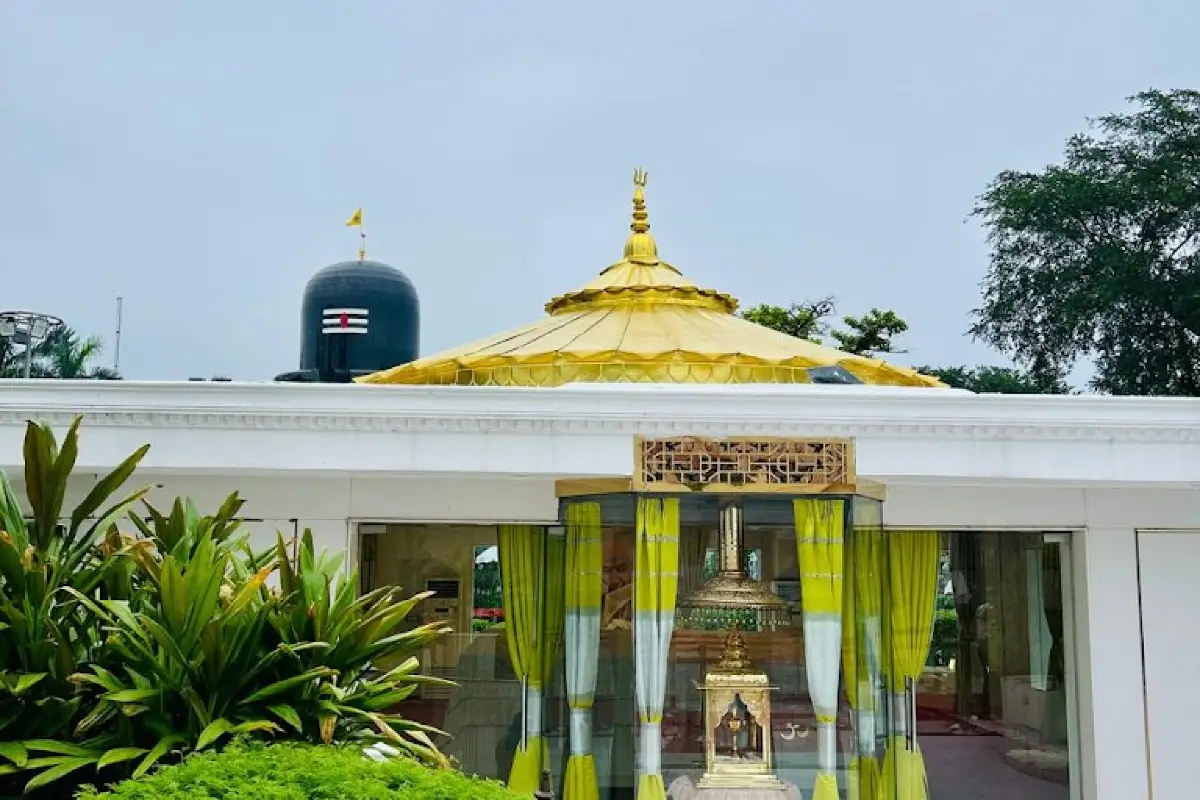
2.0 hours
Dedicated to Guruji Maharaj (Shri Nirmal Singh Ji), revered by devotees as an incarnation of Lord Shiva, Guru Ji Ka Ashram, popularly known as Bade Mandir, is a major spiritual center in South Delhi’s Bhatti Mines area, offering a serene environme...
nt for prayer, aarti, and satsang.
more info
nt for prayer, aarti, and satsang.
Shri Aadya Katyayani Shakti Peeth (Chhatarpur Temple)
Historic Place, Religious Sight
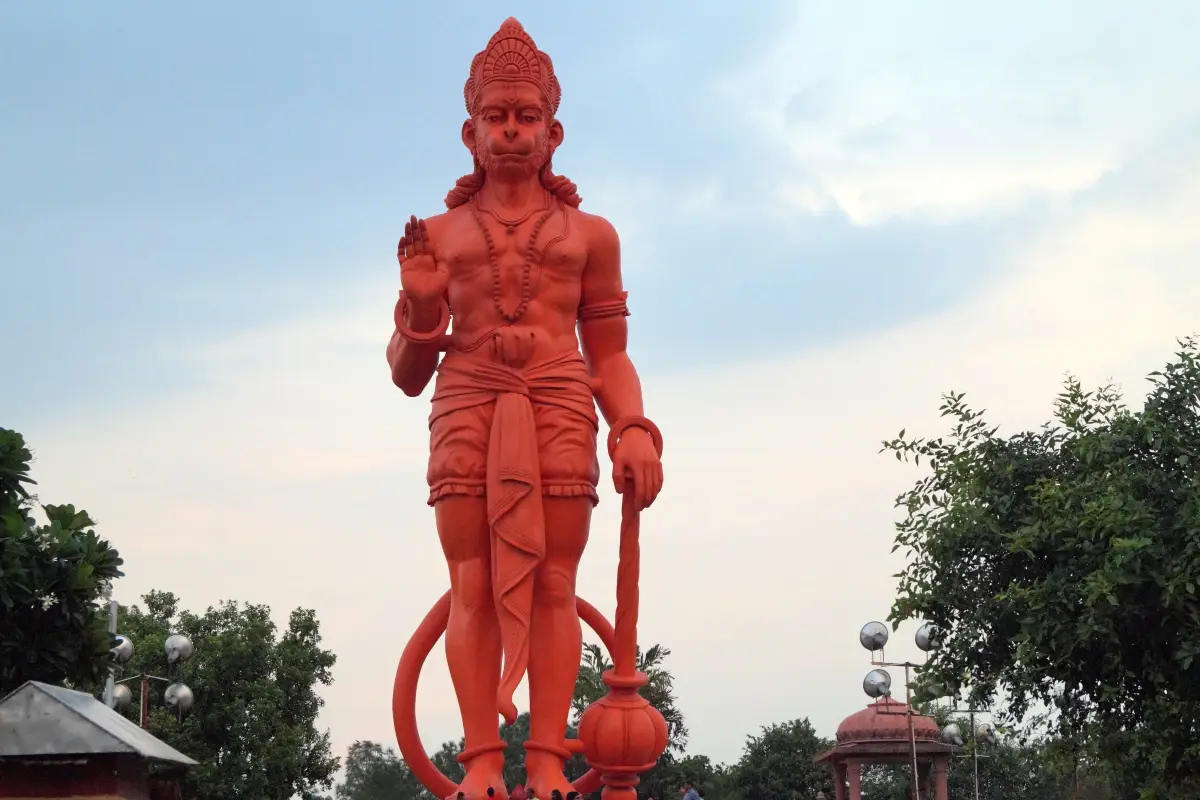
2.0 hours
Nestled in Chhatarpur, on the southwestern edge of New Delhi, the Shri Aadya Katyayani Shakti Peeth is a monumental temple complex that radiates devotion and architectural splendor. Built in 1974 by Baba Sant Nagpal Ji, the temple honors Goddess K...
atyayani, one of the six forms of Maa Durga. Its vast marble courtyards, intricately carved jali facades, and towering spires create an atmosphere of awe and reverence. Visitors are struck by the scale of the complex, which ranks as Delhi’s second-largest temple after Akshardham. The temple’s Vesara-style design, with its blend of northern and southern Indian architectural elements, makes it unique among Delhi’s sacred sites.
more info
atyayani, one of the six forms of Maa Durga. Its vast marble courtyards, intricately carved jali facades, and towering spires create an atmosphere of awe and reverence. Visitors are struck by the scale of the complex, which ranks as Delhi’s second-largest temple after Akshardham. The temple’s Vesara-style design, with its blend of northern and southern Indian architectural elements, makes it unique among Delhi’s sacred sites.
Ahinsa Sthal
Religious Sight

2.0 hours
Ahinsa Sthal feels like a sanctuary of silence in the bustle of South Delhi. Dedicated to Lord Mahavira, the 24th Tirthankara of Jainism, it embodies the principle of ahimsa (non‑violence). The centerpiece is a 13‑foot‑6‑inch statue of Mahavira, s...
eated on a lotus pedestal, radiating serenity. Sculptures around the complex depict teachings on compassion and harmony, while shaded pathways invite visitors to slow down and reflect. Unlike ornamental temples, its charm lies in simplicity — marble courtyards, quiet corners, and the spiritual weight of Jain philosophy, making it both a place of worship and a retreat for meditation.
more info
eated on a lotus pedestal, radiating serenity. Sculptures around the complex depict teachings on compassion and harmony, while shaded pathways invite visitors to slow down and reflect. Unlike ornamental temples, its charm lies in simplicity — marble courtyards, quiet corners, and the spiritual weight of Jain philosophy, making it both a place of worship and a retreat for meditation.
Qutb Minar
Historic Place, Monument
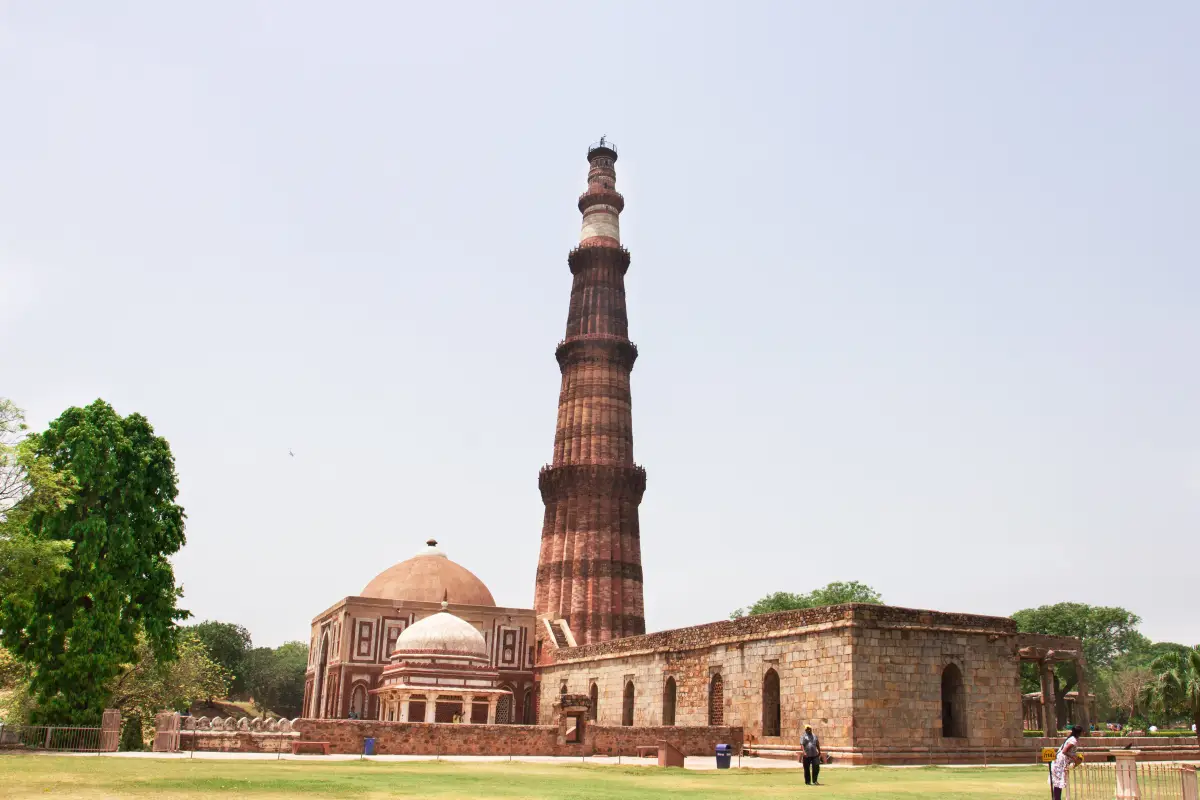
2.0 hours
$7.0
Built in the early 13th century by Qutb-ud-din Aibak and completed by Iltutmish, Qutb Minar in New Delhi is a UNESCO World Heritage Site, standing 72.5 meters tall and is one of Delhi’s most visited monuments, famous for its Indo-Islamic architect...
ure and historical significance. (A fee for photos and videos can be taken)
more info
ure and historical significance. (A fee for photos and videos can be taken)
Day 9
Prachin Bhairon Mandir Kalkaji
Historic Place, Religious Sight

2.0 hours
Prachin Bhairon Mandir Kalkaji feels like a hidden spiritual powerhouse tucked into the bustle of Nehru Place. Devotees stream in from dawn, offering prayers to Bhairon Baba — a deity believed to guard against misfortune. The temple is small but i...
ntense, with marble idols and a fierce‑eyed Bhairav as the centerpiece. Unique to this shrine, liquor is offered as prasad, reflecting Bhairav’s mythological fondness for it. Sundays and Navratri see long queues, while nearby stalls (like Sharma’s kachori wala) add a local flavor to the pilgrimage.
more info
ntense, with marble idols and a fierce‑eyed Bhairav as the centerpiece. Unique to this shrine, liquor is offered as prasad, reflecting Bhairav’s mythological fondness for it. Sundays and Navratri see long queues, while nearby stalls (like Sharma’s kachori wala) add a local flavor to the pilgrimage.
Shri Kalka Ji Mandir
Historic Place, Religious Sight
2.0 hours
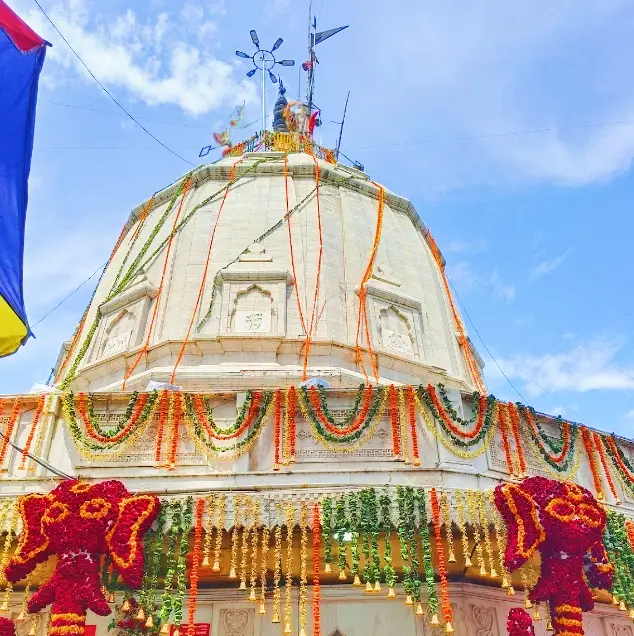
Dedicated to Goddess Kali also known as Kalka Devi, Shri Kalka Ji Mandir in South Delhi is one of the city’s oldest and busiest Hindu temples, known for its spiritual energy and vibrant atmosphere. It combines deep spiritual significance, living t...
radition, and easy accessibility in the heart of Delhi. (Daily Schedule: 4:00 AM – 5:30 AM, 6:30 AM – 11:45 AM, 12:15 PM – 3:00 PM, 4:00 PM – 7:30 PM, 8:30 PM – 11:30 PM)
more info
radition, and easy accessibility in the heart of Delhi. (Daily Schedule: 4:00 AM – 5:30 AM, 6:30 AM – 11:45 AM, 12:15 PM – 3:00 PM, 4:00 PM – 7:30 PM, 8:30 PM – 11:30 PM)
Lotus Temple
Architectural Building, Religious Sight
2.0 hours
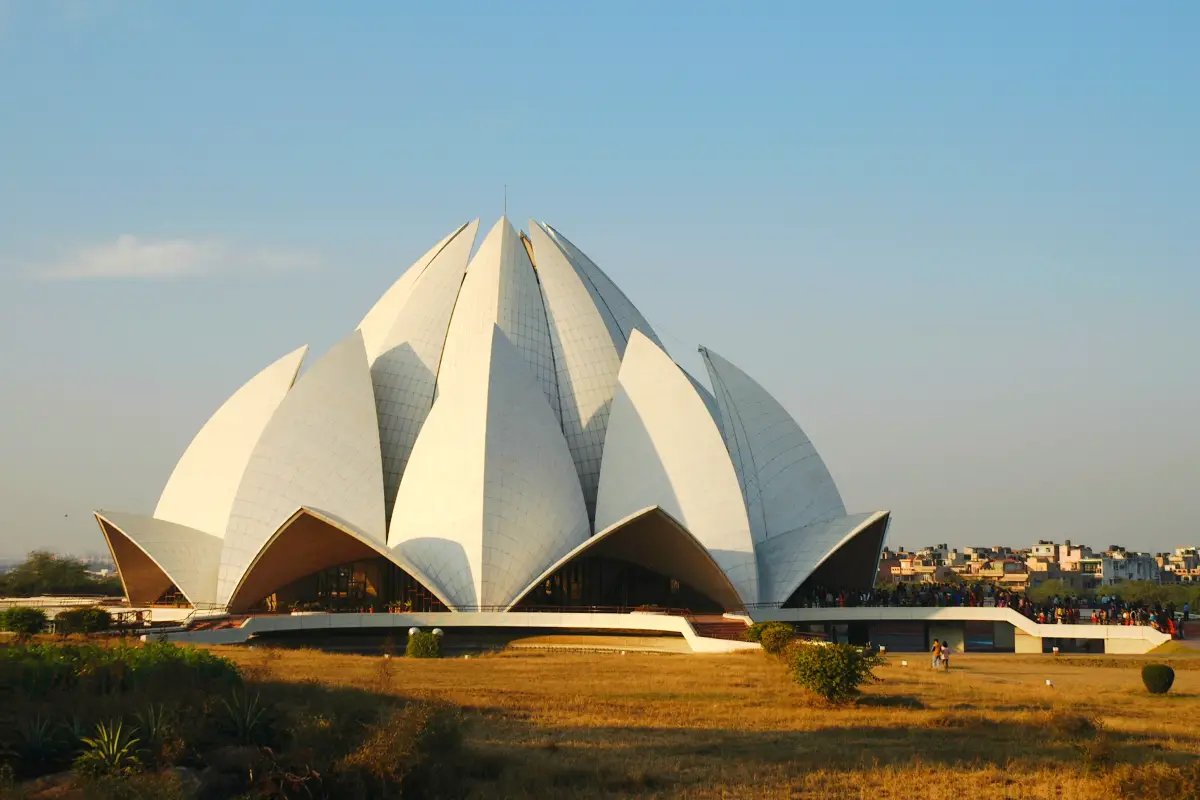
Famous for its lotus-shaped design with 27 marble petals, Lotus Temple in New Delhi is a Bahá'í House of Worship, offering a unique blend of stunning architecture, spiritual openness, and peaceful surroundings.
ISKCON Delhi Temple (Sri Sri Radha Parthasarathi Mandir)
Historic Place, Religious Sight

2.0 hours
Built in 1998 on Hare Krishna Hills in East of Kailash, ISKCON Delhi Temple (Sri Sri Radha Parthasarathi Mandir), is one of the city’s most atmospheric and spiritually vibrant temples, dedicated to Lord Krishna and Radha. Featuring marble sanctums...
, carved wooden doors, and ornate shrines that showcase fine craftsmanship of the late 20th century, it blends modern construction with traditional Vaishnava architecture. {Monday–Sunday: Morning: 4:30 AM – 1:00 PM, Evening: 4:00 PM – 9:00 PM}
more info
, carved wooden doors, and ornate shrines that showcase fine craftsmanship of the late 20th century, it blends modern construction with traditional Vaishnava architecture. {Monday–Sunday: Morning: 4:30 AM – 1:00 PM, Evening: 4:00 PM – 9:00 PM}
Day 10
Agra Tour Guide Rihan Khan
Tour
4.0 hours
$16.0
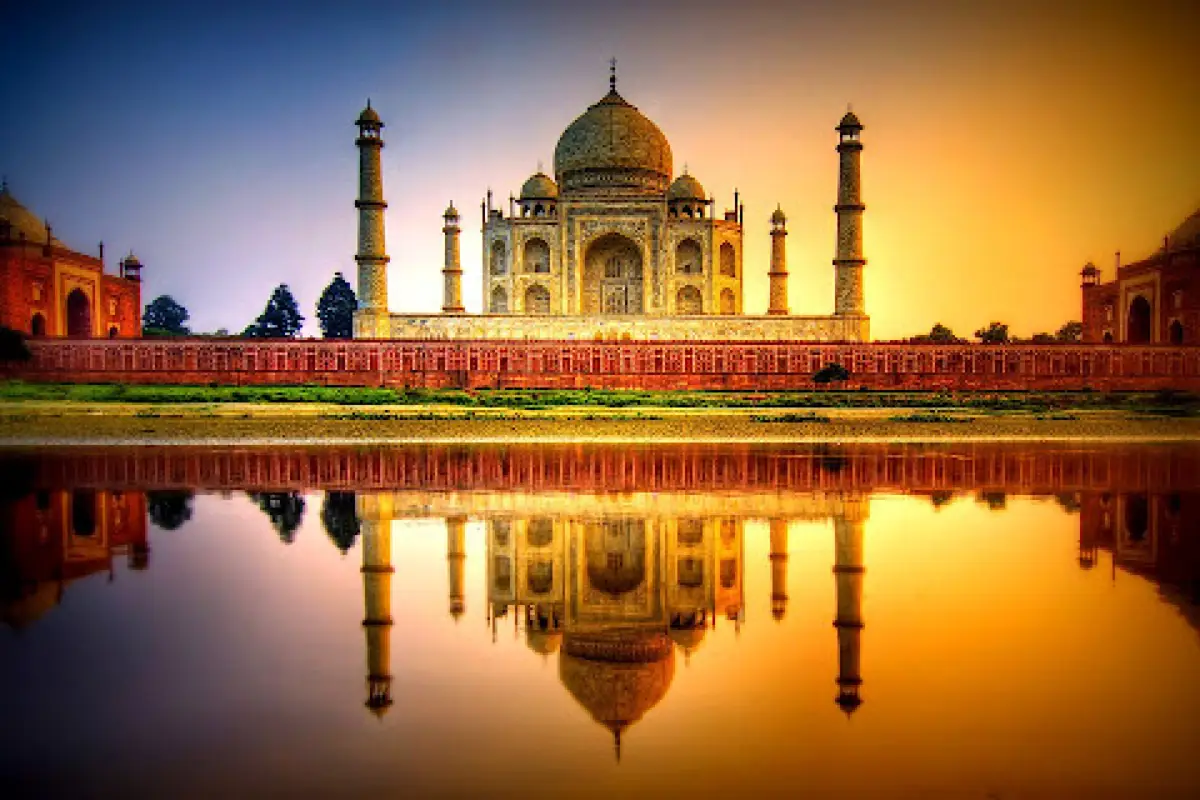
Rihan Khan isn’t just a guide; he’s a bridge between Agra’s monuments and the people who walk among them. His tours feel like conversations with the city itself — the Taj Mahal becomes a love letter read aloud, Agra Fort a stage where emperors sti...
ll whisper, and the bazaars a living pulse of color and spice. Guests often remark that he doesn’t recite history; he inhabits it, weaving humor, patience, and local anecdotes into every step. Families find his pacing gentle and inclusive, while seasoned travelers appreciate the depth of his storytelling.
more info
ll whisper, and the bazaars a living pulse of color and spice. Guests often remark that he doesn’t recite history; he inhabits it, weaving humor, patience, and local anecdotes into every step. Families find his pacing gentle and inclusive, while seasoned travelers appreciate the depth of his storytelling.
1/1
To customize the circuit, you need an account.
