Harmony in Meditation
5 days long
Advised budget $410
(2 persons, 3-star hotel, mid-range restaurants)
(2 persons, 3-star hotel, mid-range restaurants)
India
-
Delhi
City Walk - 56%
Nature - 31%
Culture and Art - 12%
Other - 1%
Nature - 31%
Culture and Art - 12%
Other - 1%
Day 1
Uttara Swamimalai Temple Sree Swaminath ji
Historic Place, Religious Sight
2.0 hours
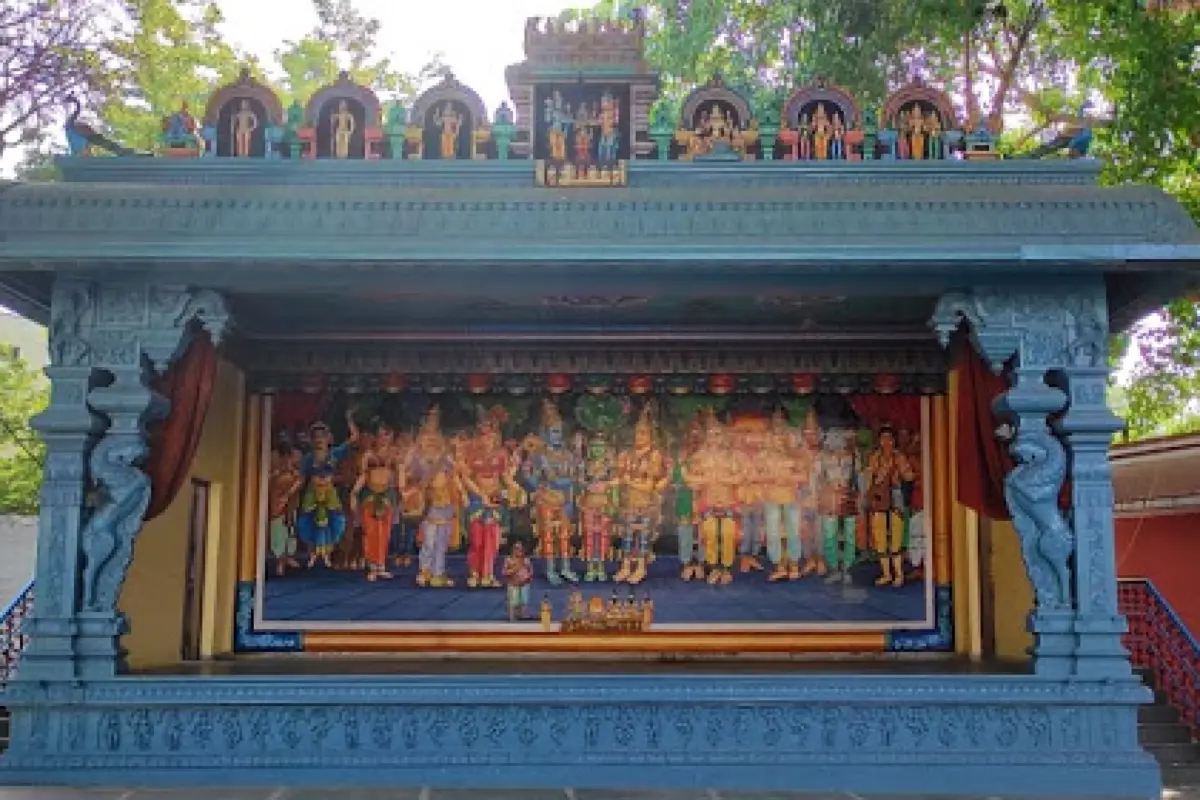
Perched on a small hill in South Delhi’s Sector 7, Uttara Swamimalai Temple is one of the few temples in North India built in authentic South Indian style. Dedicated to Lord Murugan (Swaminath Ji), the temple is affectionately called “Malai Mandir...
” by locals, as visitors climb a series of steps to reach the sanctum at the top. Its gopuram (tower) rises above the skyline, adorned with intricate carvings, while the inner sanctum radiates a serene, devotional atmosphere. The temple is not only a spiritual center for Delhi’s Tamil community but also a cultural landmark, hosting vibrant festivals like Thaipusam and Skanda Shashti. Unlike Delhi’s Mughal and colonial monuments, this temple offers a slice of Tamil Nadu’s sacred architecture in the capital. (Daily: Morning 5:30 AM – 12:00 PM, Evening: 5:00 PM – 9:00 PM)
more info
” by locals, as visitors climb a series of steps to reach the sanctum at the top. Its gopuram (tower) rises above the skyline, adorned with intricate carvings, while the inner sanctum radiates a serene, devotional atmosphere. The temple is not only a spiritual center for Delhi’s Tamil community but also a cultural landmark, hosting vibrant festivals like Thaipusam and Skanda Shashti. Unlike Delhi’s Mughal and colonial monuments, this temple offers a slice of Tamil Nadu’s sacred architecture in the capital. (Daily: Morning 5:30 AM – 12:00 PM, Evening: 5:00 PM – 9:00 PM)
Ayyappa Temple, New Delhi
Historic Place, Religious Sight
2.0 hours
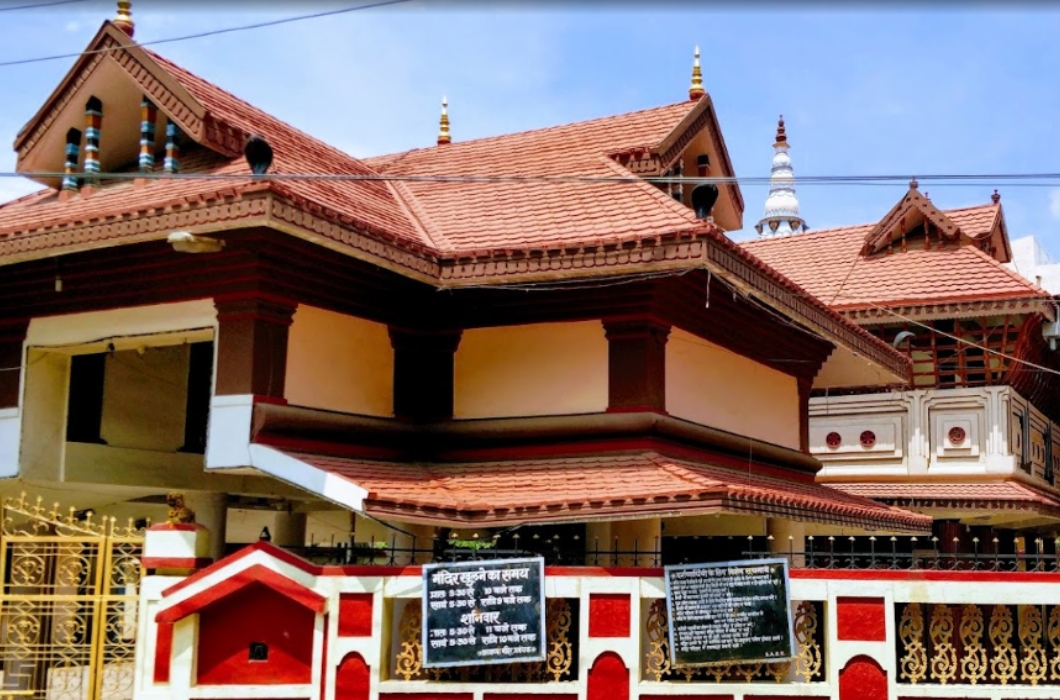
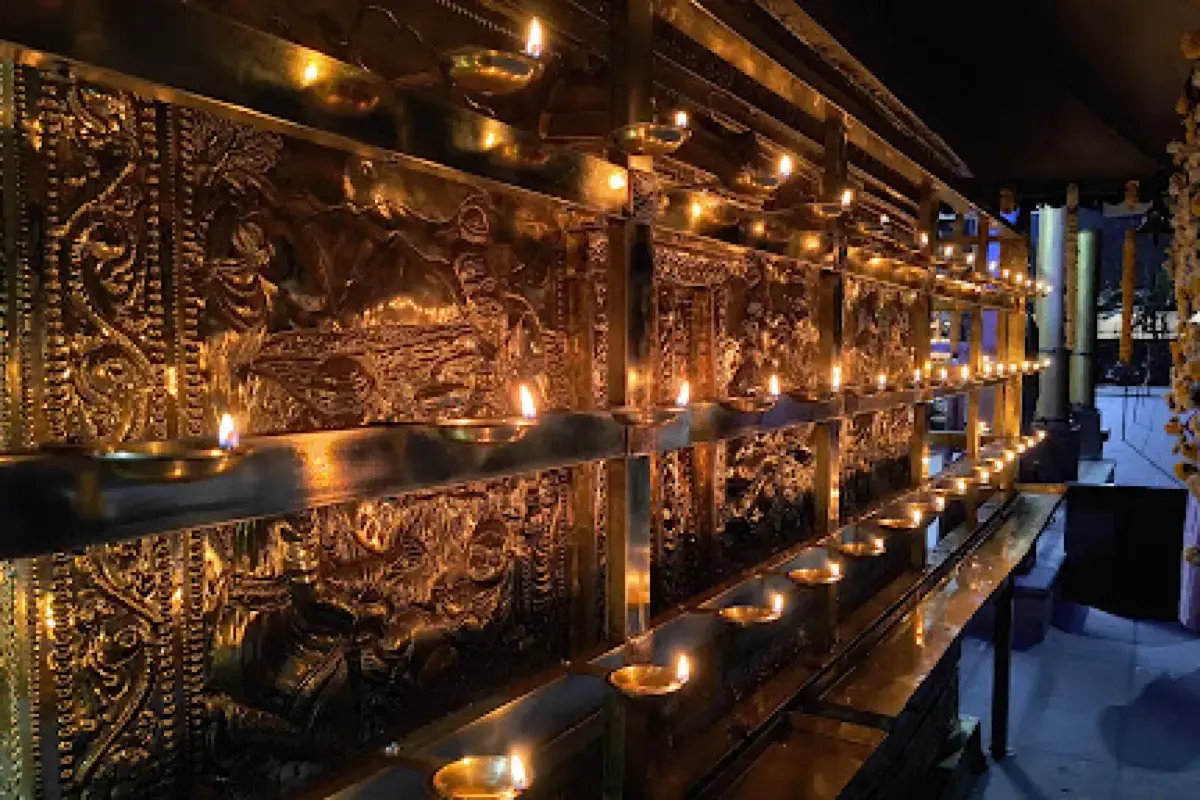
The Ayyappa Temple in RK Puram feels like a transplanted piece of Kerala’s spiritual heart into Delhi’s urban sprawl. Its architecture, with sloping tiled roofs and intricate carvings, evokes the temples of South India, while the fragrance of sand...
alwood and oil lamps creates an enveloping calm. Every evening, hundreds of lamps glow along the temple walls, transforming the space into a living river of light. During the annual Magara Vilakku festival, the temple becomes a hub of devotion, with 41 days of rituals and community feasts that bind together generations of Malayali families in Delhi. It is not just a temple — it is a cultural anchor, a place where tradition and belonging are kept alive in the capital city. (Opening Hours: Morning: 5:30 AM – 11:00 AM, Evening: 5:30 PM – 9:00 PM)
more info
alwood and oil lamps creates an enveloping calm. Every evening, hundreds of lamps glow along the temple walls, transforming the space into a living river of light. During the annual Magara Vilakku festival, the temple becomes a hub of devotion, with 41 days of rituals and community feasts that bind together generations of Malayali families in Delhi. It is not just a temple — it is a cultural anchor, a place where tradition and belonging are kept alive in the capital city. (Opening Hours: Morning: 5:30 AM – 11:00 AM, Evening: 5:30 PM – 9:00 PM)
Hauz Khas District Park
Park
2.0 hours
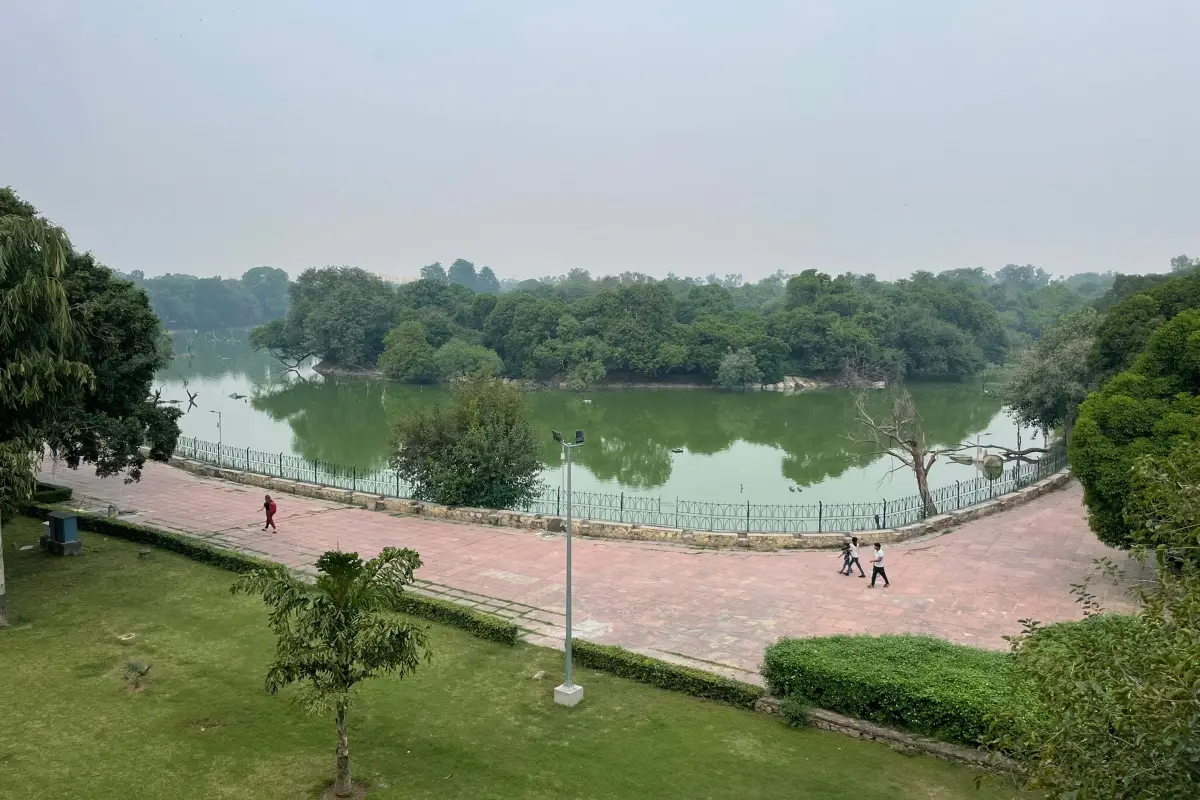
The Hauz Khas District Park, often referred to as Deer Park, is one of South Delhi’s most beloved green spaces. Spread across several acres, it combines natural beauty with historical heritage, featuring lush lawns, jogging tracks, serene lakes, a...
nd medieval ruins. Visitors can spot deer, rabbits, peacocks, and other birds, making it a favorite for families and nature lovers. The park is also adjacent to the Hauz Khas Fort and Village, offering a blend of history, culture, and nightlife.
more info
nd medieval ruins. Visitors can spot deer, rabbits, peacocks, and other birds, making it a favorite for families and nature lovers. The park is also adjacent to the Hauz Khas Fort and Village, offering a blend of history, culture, and nightlife.
Day 2
Indraprastha Park
Fountain, Park
2.0 hours
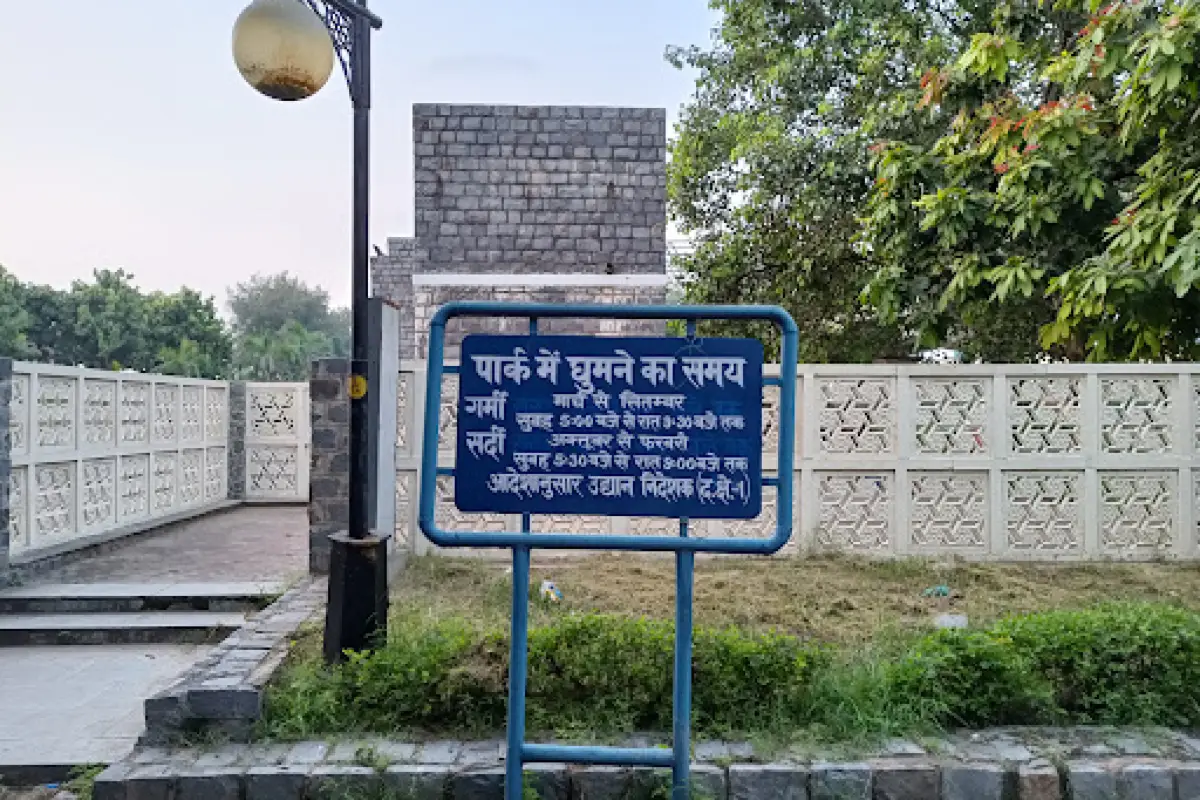
Indraprastha Park feels like Delhi’s green lung — a vast expanse where the city’s chaos fades into birdsong and open skies. Built in 2004 on reclaimed land, the park’s wide lawns, shaded pathways, and fountains create a refreshing retreat. Familie...
s spread picnic blankets under trees, children race along the jogging tracks, and couples find quiet corners near the landscaped gardens. Unlike the historic monuments of Delhi, this park offers a living, breathing escape — a place where the atmosphere is defined by leisure and community rather than stone and history.
more info
s spread picnic blankets under trees, children race along the jogging tracks, and couples find quiet corners near the landscaped gardens. Unlike the historic monuments of Delhi, this park offers a living, breathing escape — a place where the atmosphere is defined by leisure and community rather than stone and history.
Shanti Stupa New Delhi
Religious Sight

2.0 hours
The Shanti Stupa feels like a serene island of calm in the middle of Delhi’s bustle. Built as part of the Nipponzan Myohoji Buddhist order’s global peace pagoda initiative, its white dome rises above landscaped gardens, symbolizing harmony and non...
‑violence. Visitors often describe the atmosphere as meditative — a place where silence, greenery, and the stupa’s gleaming structure combine to create a spiritual pause.
more info
‑violence. Visitors often describe the atmosphere as meditative — a place where silence, greenery, and the stupa’s gleaming structure combine to create a spiritual pause.
Register Suggestion
Action

Trip plan customization, personalized recommendations, special filters Moods and even more is available for registered users.
Lodhi Garden
Park
2.0 hours
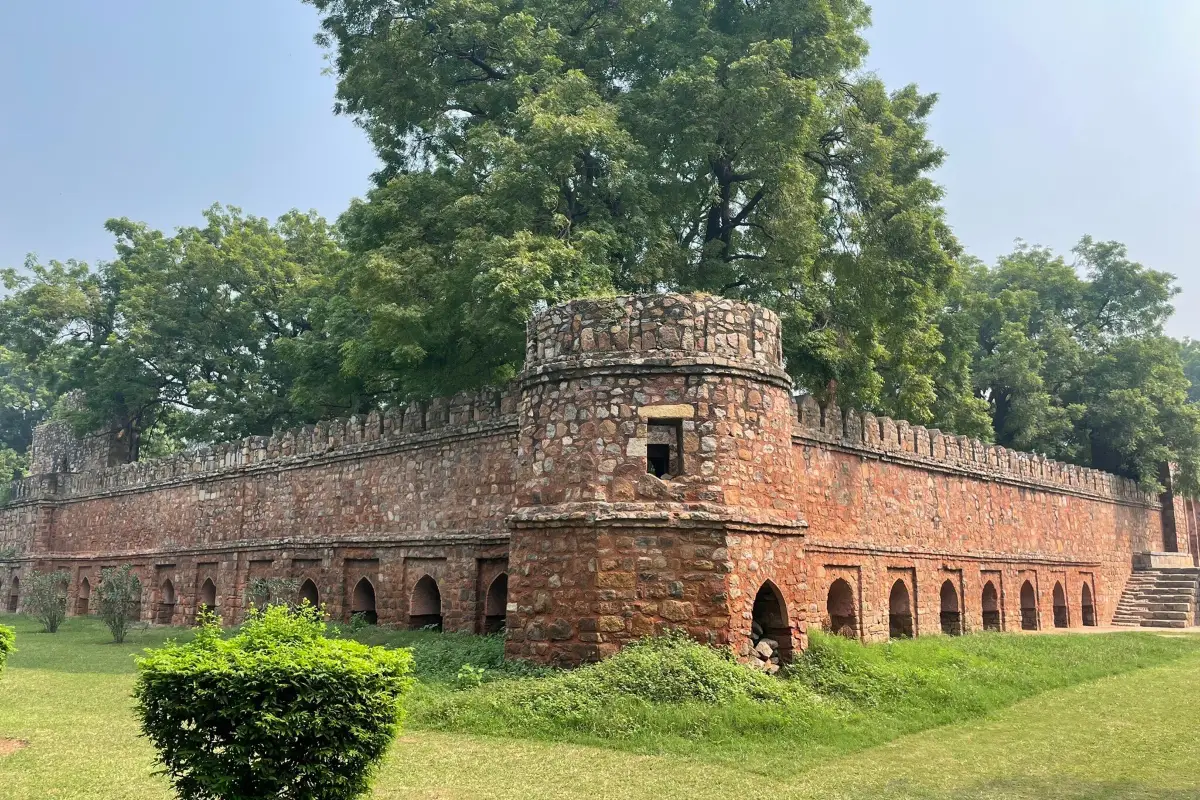
Featuring 90 acres of greenery and 15th–16th century tombs, Lodhi Garden in New Delhi is one of the most popular spots for morning walks, picnics, and family outings, ideal for combining relaxation with history.
Day 3
Shri Laxmi Narayan Temple (Birla Mandir)
Historic Place, Monument, Religious Sight
2.0 hours
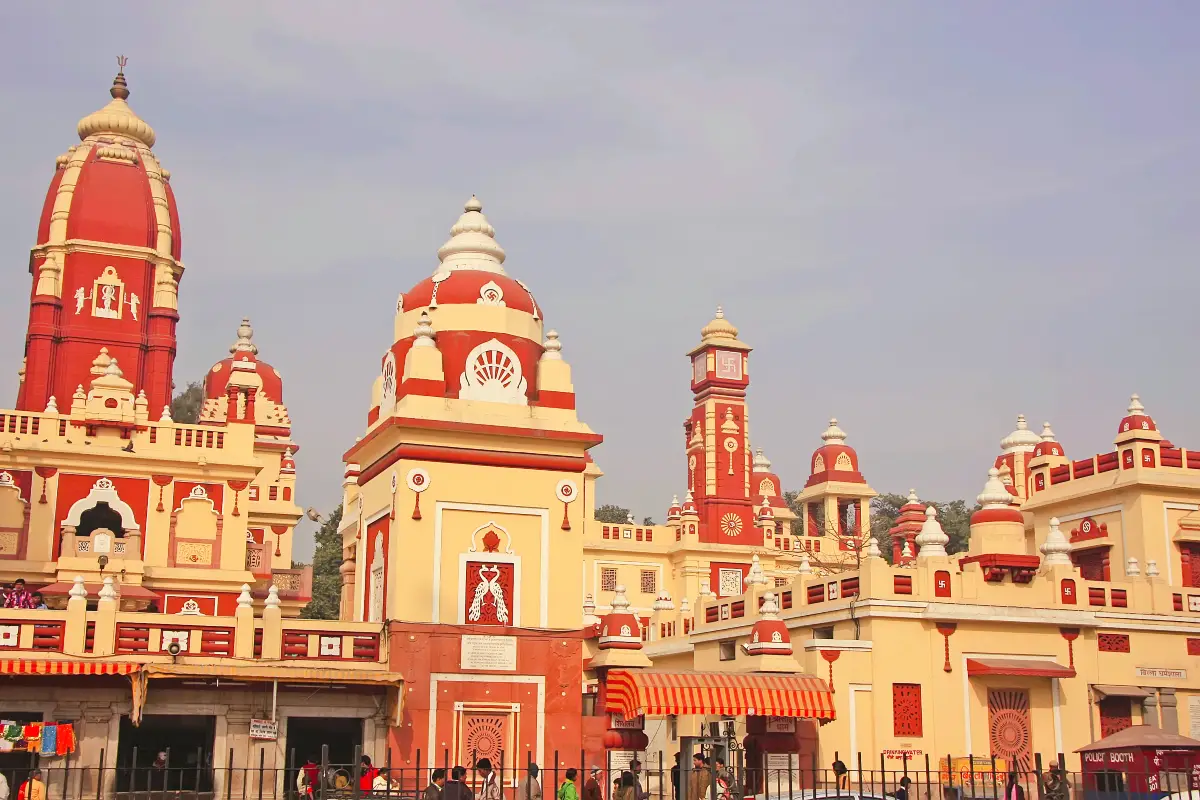
Built in 1939 by Baldeo Das Birla and inaugurated by Mahatma Gandhi, the Birla Mandir is a landmark of Delhi’s spiritual and cultural heritage. The temple is dedicated to Lord Vishnu (Narayan) and his consort Goddess Laxmi, symbolizing preservatio...
n and prosperity. Its architecture blends traditional Hindu temple design with modern elements, featuring red and yellow domes, intricate carvings, and spacious courtyards. Gandhi insisted that the temple be open to all castes, making it a symbol of inclusivity. (Daily: 4:30 AM – 1:30 PM and 2:30 PM – 9:00 PM)
more info
n and prosperity. Its architecture blends traditional Hindu temple design with modern elements, featuring red and yellow domes, intricate carvings, and spacious courtyards. Gandhi insisted that the temple be open to all castes, making it a symbol of inclusivity. (Daily: 4:30 AM – 1:30 PM and 2:30 PM – 9:00 PM)
Gurdwara Bangla Sahib
Historic Place, Religious Sight
2.0 hours
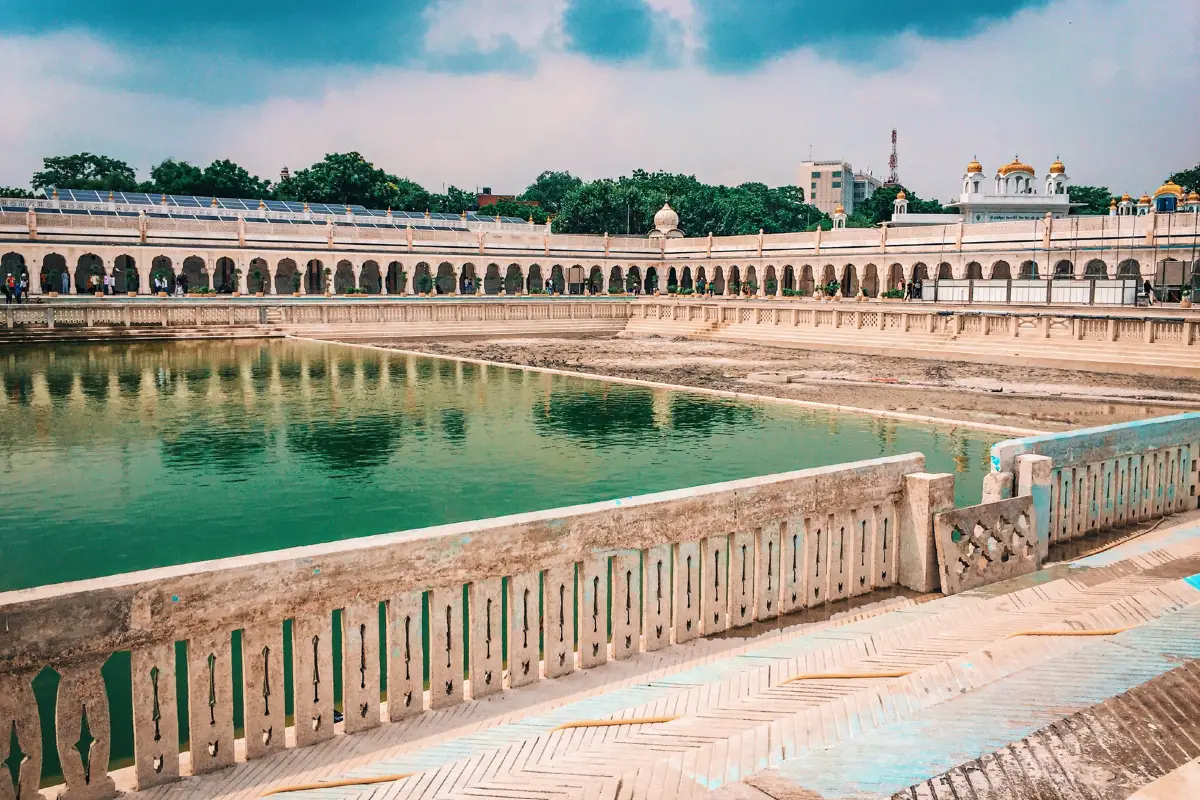
Famous for its golden dome, white marble façade, and the holy Sarovar (pond) within its complex, Gurdwara Bangla Sahib in New Delhi is one of the most prominent Sikh houses of worship, associated with the 8th Sikh Guru, Guru Har Krishan, who staye...
d here in 1664 and served the sick during a smallpox epidemic. It is believed to have healing properties; visitors often take a sip of its water.
more info
d here in 1664 and served the sick during a smallpox epidemic. It is believed to have healing properties; visitors often take a sip of its water.
Gurudwara Shri Rakab Ganj Sahib
Historic Place, Religious Sight
2.0 hours
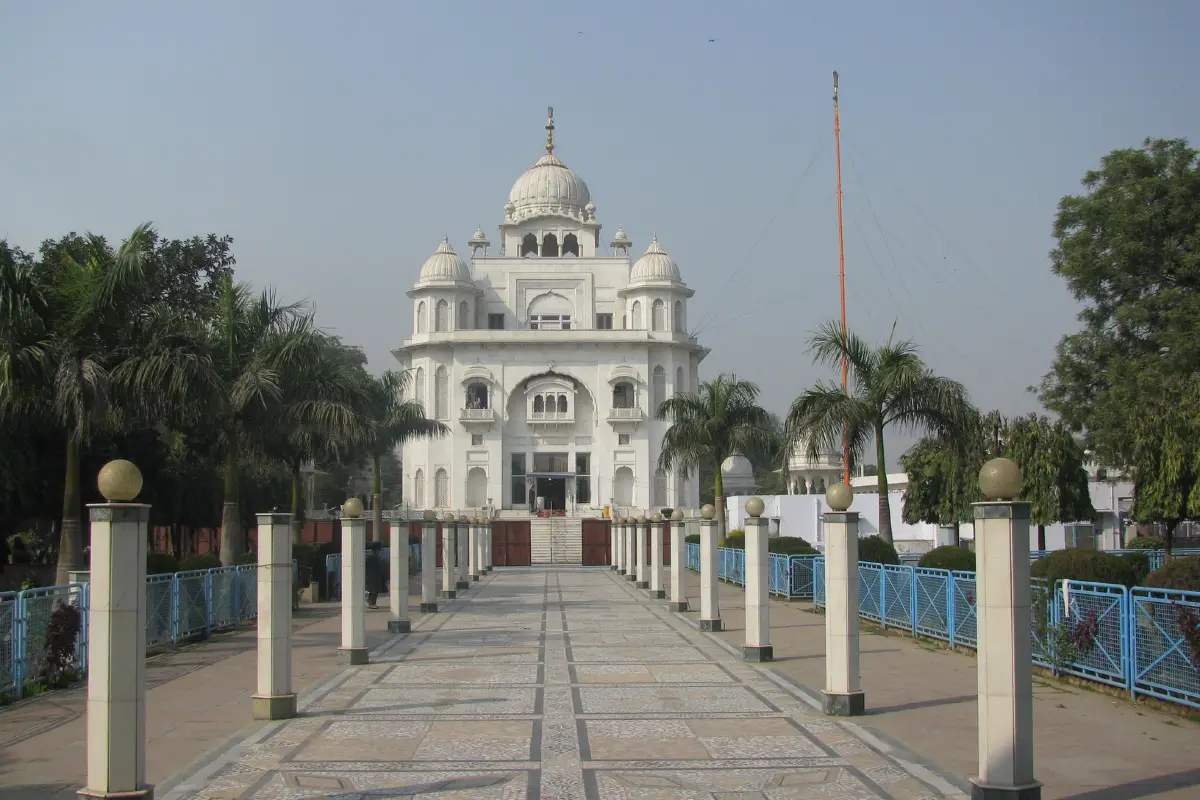
This gurudwara stands as a solemn reminder of Sikh history, built at the site where Guru Tegh Bahadur’s body was cremated after his martyrdom in 1675. The white marble structure, crowned with golden domes, radiates peace and resilience. Inside, th...
e atmosphere is deeply spiritual — hymns resonate through the prayer hall, while the langar (community kitchen) serves free meals to all, embodying Sikh values of equality and service. Families, pilgrims, and visitors alike find it both humbling and uplifting, a place where history and devotion merge seamlessly.
more info
e atmosphere is deeply spiritual — hymns resonate through the prayer hall, while the langar (community kitchen) serves free meals to all, embodying Sikh values of equality and service. Families, pilgrims, and visitors alike find it both humbling and uplifting, a place where history and devotion merge seamlessly.
South Part of Central Ridge Forest
Natural Attraction
3.0 hours
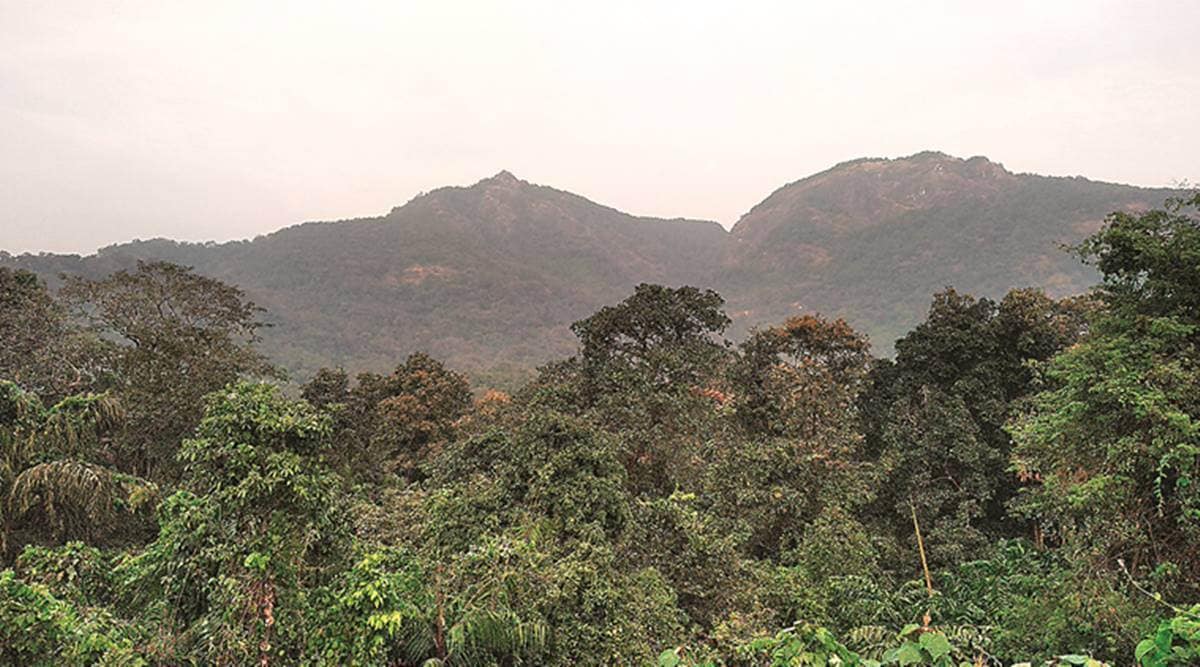
The South Part of Central Ridge Forest feels like Delhi’s wild lung, tucked between diplomatic enclaves and arterial roads. Unlike ornamental gardens, it offers rugged trails, dense tree cover, and a raw, natural vibe. Morning walkers enjoy shaded...
paths, birdwatchers spot parakeets and peacocks, and heritage enthusiasts explore remnants of colonial‑era forest management. Its charm lies in contrast — a wild, forested retreat in the middle of South Delhi’s urban sprawl, balancing biodiversity with accessibility.
more info
paths, birdwatchers spot parakeets and peacocks, and heritage enthusiasts explore remnants of colonial‑era forest management. Its charm lies in contrast — a wild, forested retreat in the middle of South Delhi’s urban sprawl, balancing biodiversity with accessibility.
Day 4
ISKCON Delhi Temple (Sri Sri Radha Parthasarathi Mandir)
Historic Place, Religious Sight

2.0 hours
Built in 1998 on Hare Krishna Hills in East of Kailash, ISKCON Delhi Temple (Sri Sri Radha Parthasarathi Mandir), is one of the city’s most atmospheric and spiritually vibrant temples, dedicated to Lord Krishna and Radha. Featuring marble sanctums...
, carved wooden doors, and ornate shrines that showcase fine craftsmanship of the late 20th century, it blends modern construction with traditional Vaishnava architecture. {Monday–Sunday: Morning: 4:30 AM – 1:00 PM, Evening: 4:00 PM – 9:00 PM}
more info
, carved wooden doors, and ornate shrines that showcase fine craftsmanship of the late 20th century, it blends modern construction with traditional Vaishnava architecture. {Monday–Sunday: Morning: 4:30 AM – 1:00 PM, Evening: 4:00 PM – 9:00 PM}
Aastha Kunj Park
Park
2.0 hours
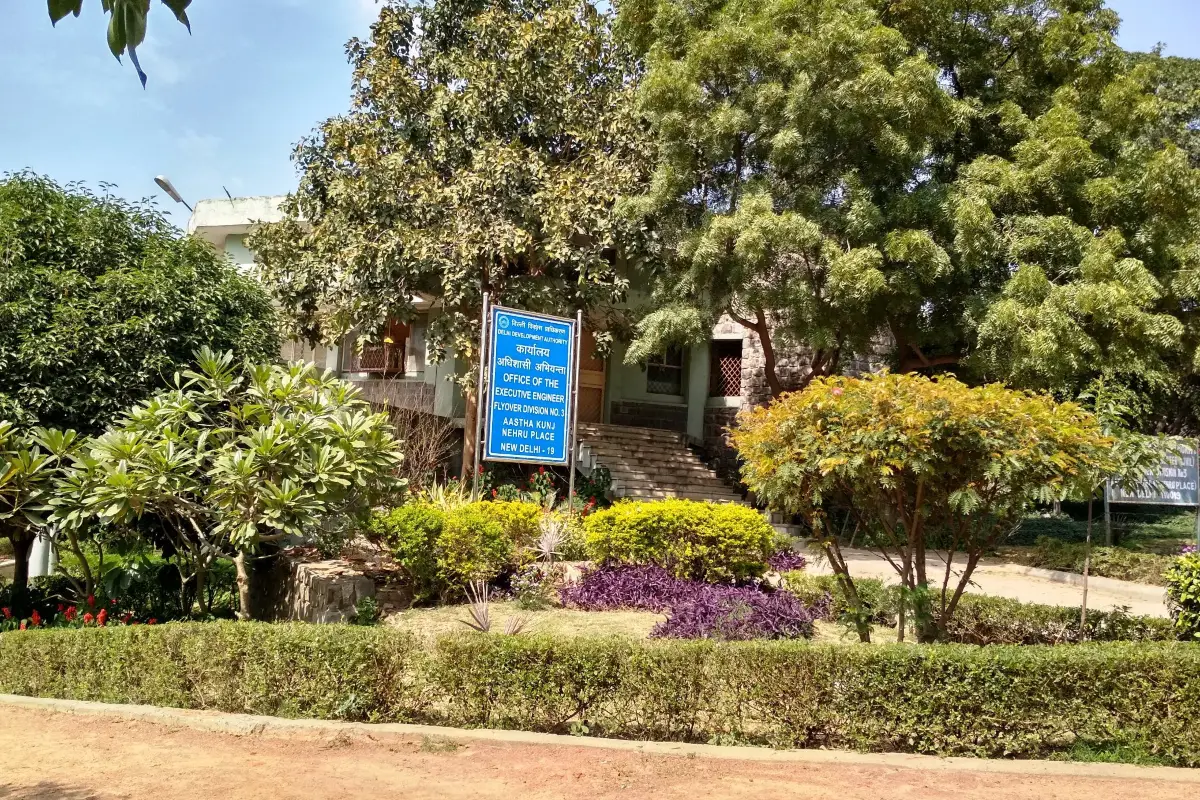
Aastha Kunj Park feels like Delhi’s hidden breathing space, stitched right into the city’s busiest commercial and spiritual hub. The lawns roll out like a green carpet between two iconic temples, while winding paths invite joggers, families, and c...
hildren to explore. Early mornings bring a chorus of birds, and evenings see locals gathering for games or quiet strolls. Unlike manicured gardens, Aastha Kunj has a raw openness — vast fields where kites fly, yoga groups stretch, and picnics unfold under neem and amla trees. It’s a place where the city’s rush pauses, offering both solitude and community in equal measure.
more info
hildren to explore. Early mornings bring a chorus of birds, and evenings see locals gathering for games or quiet strolls. Unlike manicured gardens, Aastha Kunj has a raw openness — vast fields where kites fly, yoga groups stretch, and picnics unfold under neem and amla trees. It’s a place where the city’s rush pauses, offering both solitude and community in equal measure.
Lotus Temple
Architectural Building, Religious Sight
2.0 hours
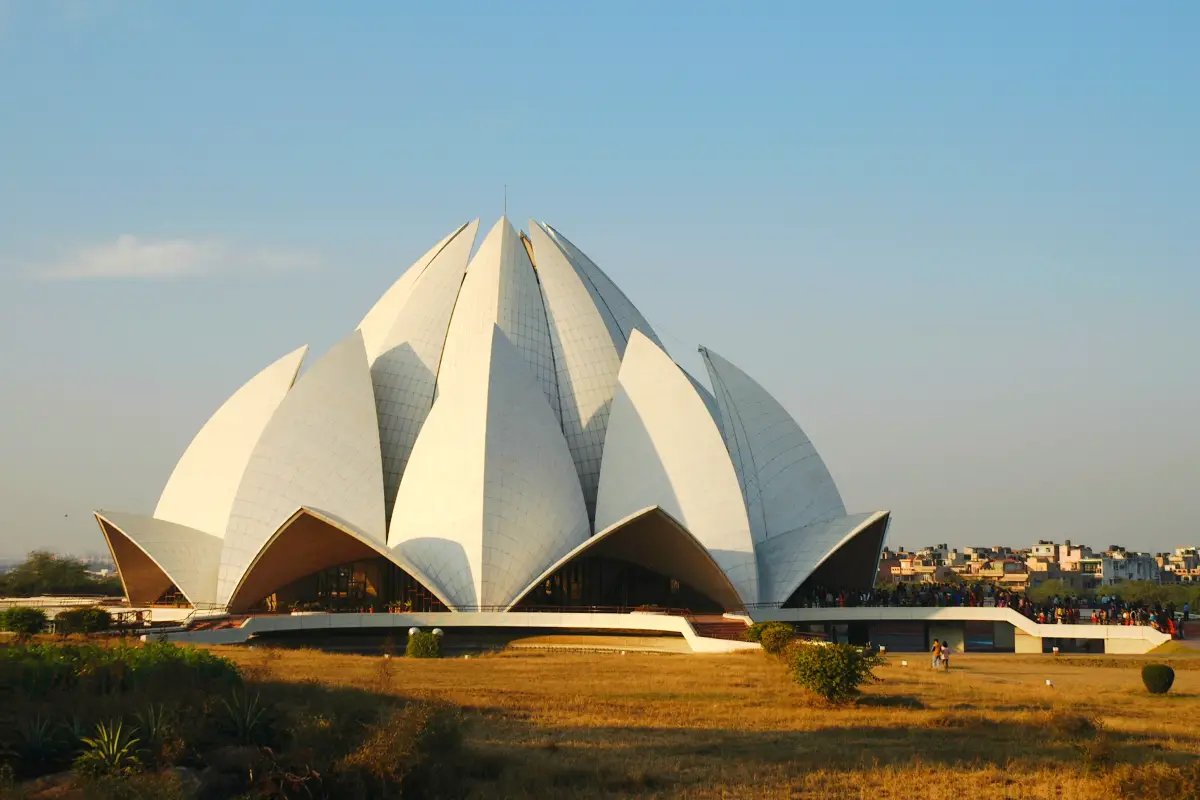
Famous for its lotus-shaped design with 27 marble petals, Lotus Temple in New Delhi is a Bahá'í House of Worship, offering a unique blend of stunning architecture, spiritual openness, and peaceful surroundings.
Day 5
Uttara Guruvayurappan Temple
Historic Place, Religious Sight
2.0 hours
Built in 1986 as a replica of the famous Guruvayur Temple in Kerala, Uttara Guruvayurappan Temple is a vibrant spiritual center in East Delhi. The temple is distinguished by its brightly painted façade, towering golden Kodimaram flagstaff, and ser...
ene courtyards. It serves not only as a place of worship but also as a cultural hub, hosting festivals like Janmashtami and Vishu with great fervor. The temple’s tranquil atmosphere, combined with its architectural beauty, makes it a meaningful stop for devotees and visitors seeking a glimpse of Kerala’s spiritual traditions in the capital. {Winter (Oct–Mar): 6:00–11:00 AM, 5:30–8:30 PM, Summer (Apr–Sep): 5:30–11:00 AM, 6:00–9:00 PM}
more info
ene courtyards. It serves not only as a place of worship but also as a cultural hub, hosting festivals like Janmashtami and Vishu with great fervor. The temple’s tranquil atmosphere, combined with its architectural beauty, makes it a meaningful stop for devotees and visitors seeking a glimpse of Kerala’s spiritual traditions in the capital. {Winter (Oct–Mar): 6:00–11:00 AM, 5:30–8:30 PM, Summer (Apr–Sep): 5:30–11:00 AM, 6:00–9:00 PM}
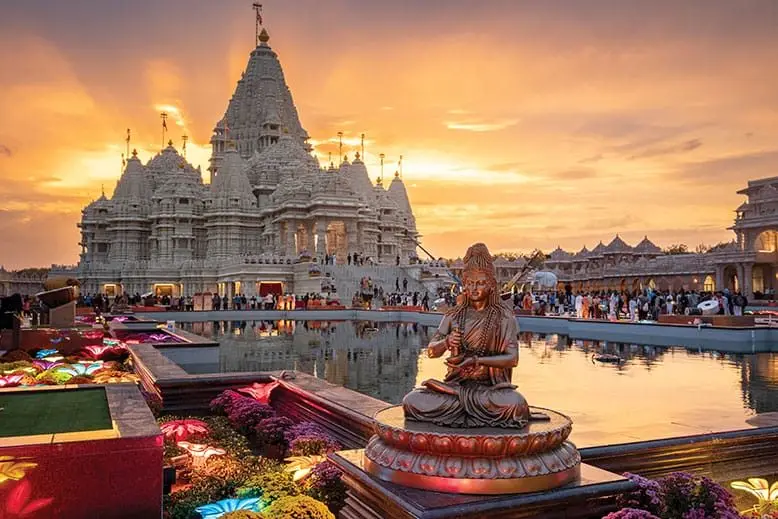
Swaminarayan Akshardham
Historic Place, Religious Sight
4.0 hours
Built from pink sandstone and white marble, without steel, symbolizing timelessness, Swaminarayan Akshardham in New Delhi is one of the largest Hindu temple complexes in the world, renowned for its intricately carved sandstone and marble structure...
s, vast gardens, exhibitions and spectacular evening water show, making it one of Delhi’s most engaging family destinations. (Entry to the temple and gardens is free, while exhibitions and the musical fountain have ticketed fees.)
more info
s, vast gardens, exhibitions and spectacular evening water show, making it one of Delhi’s most engaging family destinations. (Entry to the temple and gardens is free, while exhibitions and the musical fountain have ticketed fees.)
Gufa Wala temple
Historic Place, Religious Sight

2.0 hours
Gufa Wala Temple feels like stepping into a living myth. Its cave‑like corridors twist and turn, leading worshippers past towering idols of Shiva, Ganesh, Hanuman, and Krishna. The dimly lit gufa (cave) creates an atmosphere of mystery, where echo...
es of mantras mingle with the scent of incense. Families arrive for darshan, children marvel at the statues, and devotees pause in the cool stone chambers to reflect. Festivals transform the temple into a glowing hub of devotion — Shivaratri nights, Navratri chowkis, and Diwali lights make the cave shimmer like a sacred jewel in East Delhi. (Timings: General temple: 5:00 AM – 12:00 PM, 5:00 PM – 9:00 PM, Cave section: 7:00 AM – 12:00 PM, 5:00 PM – 9:00 PM)
more info
es of mantras mingle with the scent of incense. Families arrive for darshan, children marvel at the statues, and devotees pause in the cool stone chambers to reflect. Festivals transform the temple into a glowing hub of devotion — Shivaratri nights, Navratri chowkis, and Diwali lights make the cave shimmer like a sacred jewel in East Delhi. (Timings: General temple: 5:00 AM – 12:00 PM, 5:00 PM – 9:00 PM, Cave section: 7:00 AM – 12:00 PM, 5:00 PM – 9:00 PM)
1/1
To customize the circuit, you need an account.
