Gateway to India
7 days long
Advised budget $620
(2 persons, 3-star hotel, mid-range restaurants)
(2 persons, 3-star hotel, mid-range restaurants)
India
-
Delhi
City Walk - 62%
Nature - 20%
Culture and Art - 12%
Other - 6%
Nature - 20%
Culture and Art - 12%
Other - 6%
Day 1
Gufa Wala temple
Historic Place, Religious Sight
2.0 hours
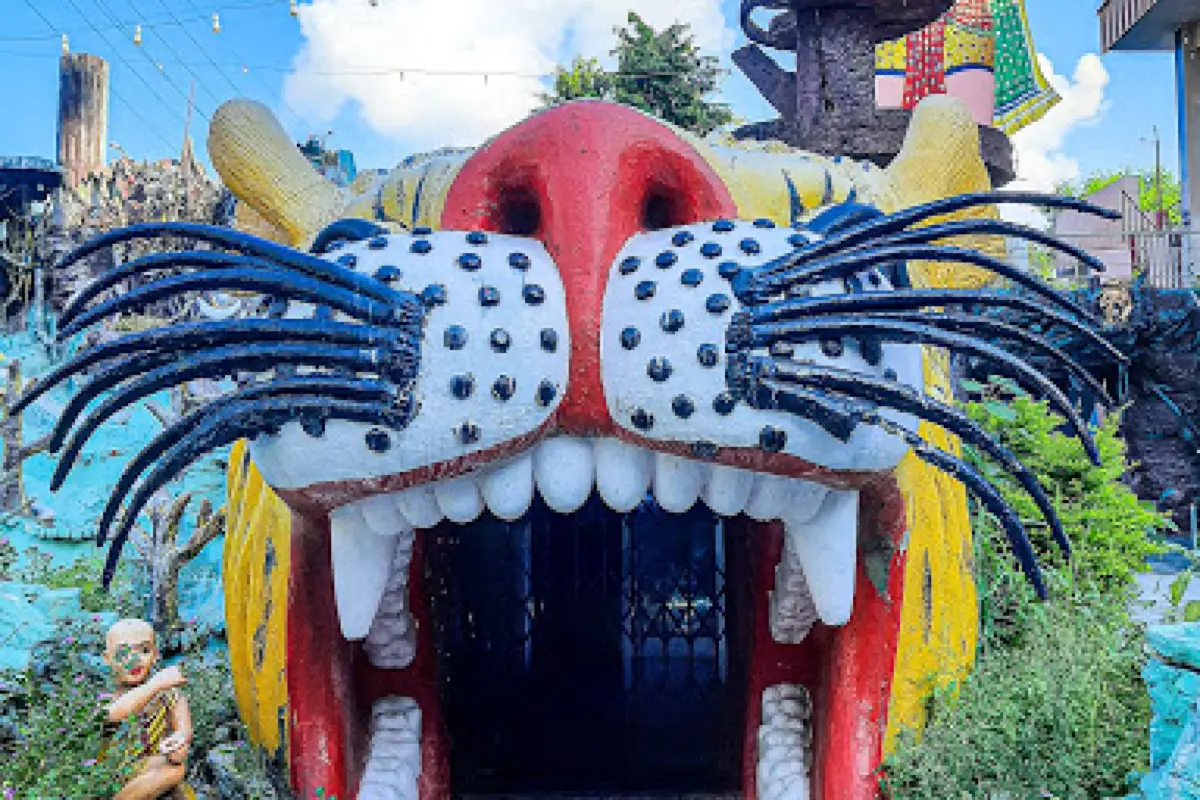
Gufa Wala Temple feels like stepping into a living myth. Its cave‑like corridors twist and turn, leading worshippers past towering idols of Shiva, Ganesh, Hanuman, and Krishna. The dimly lit gufa (cave) creates an atmosphere of mystery, where echo...
es of mantras mingle with the scent of incense. Families arrive for darshan, children marvel at the statues, and devotees pause in the cool stone chambers to reflect. Festivals transform the temple into a glowing hub of devotion — Shivaratri nights, Navratri chowkis, and Diwali lights make the cave shimmer like a sacred jewel in East Delhi. (Timings: General temple: 5:00 AM – 12:00 PM, 5:00 PM – 9:00 PM, Cave section: 7:00 AM – 12:00 PM, 5:00 PM – 9:00 PM)
more info
es of mantras mingle with the scent of incense. Families arrive for darshan, children marvel at the statues, and devotees pause in the cool stone chambers to reflect. Festivals transform the temple into a glowing hub of devotion — Shivaratri nights, Navratri chowkis, and Diwali lights make the cave shimmer like a sacred jewel in East Delhi. (Timings: General temple: 5:00 AM – 12:00 PM, 5:00 PM – 9:00 PM, Cave section: 7:00 AM – 12:00 PM, 5:00 PM – 9:00 PM)
Sanjay Lake Park
Park

2.0 hours
Sanjay Lake Park feels like East Delhi’s secret reservoir of leisure. The lake itself is a mirror — reflecting morning joggers, drifting pedal boats, and the silhouettes of migratory birds. Around it, sprawling lawns and shaded paths create a rhyt...
hm of calm, where families picnic, children chase kites, and elders gather for yoga. Unlike the manicured symmetry of Lodhi Gardens, Sanjay Lake carries a more organic charm: part wilderness, part playground, part retreat. It’s not just a park, but a living pause button for the city’s eastern sprawl, where water and greenery reclaim space from concrete.
more info
hm of calm, where families picnic, children chase kites, and elders gather for yoga. Unlike the manicured symmetry of Lodhi Gardens, Sanjay Lake carries a more organic charm: part wilderness, part playground, part retreat. It’s not just a park, but a living pause button for the city’s eastern sprawl, where water and greenery reclaim space from concrete.
Swaminarayan Akshardham
Historic Place, Religious Sight
4.0 hours
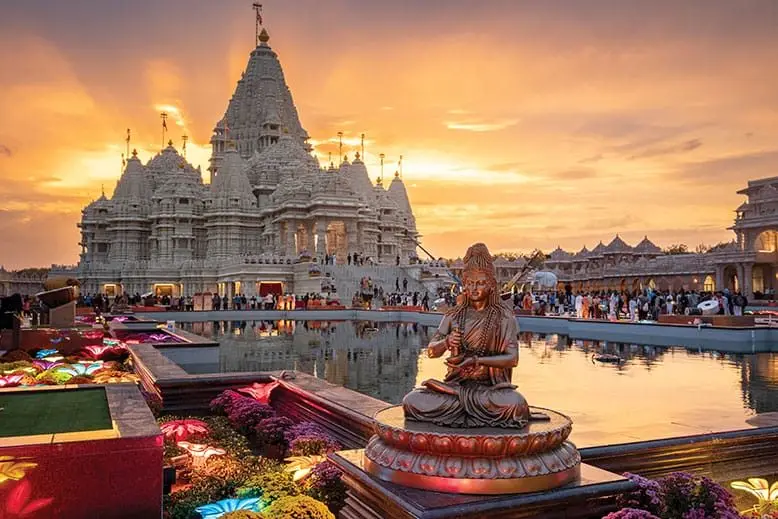
Built from pink sandstone and white marble, without steel, symbolizing timelessness, Swaminarayan Akshardham in New Delhi is one of the largest Hindu temple complexes in the world, renowned for its intricately carved sandstone and marble structure...
s, vast gardens, exhibitions and spectacular evening water show, making it one of Delhi’s most engaging family destinations. (Entry to the temple and gardens is free, while exhibitions and the musical fountain have ticketed fees.)
more info
s, vast gardens, exhibitions and spectacular evening water show, making it one of Delhi’s most engaging family destinations. (Entry to the temple and gardens is free, while exhibitions and the musical fountain have ticketed fees.)
Day 2
Ugrasen ki Baoli
Historic Place, Monument
2.0 hours
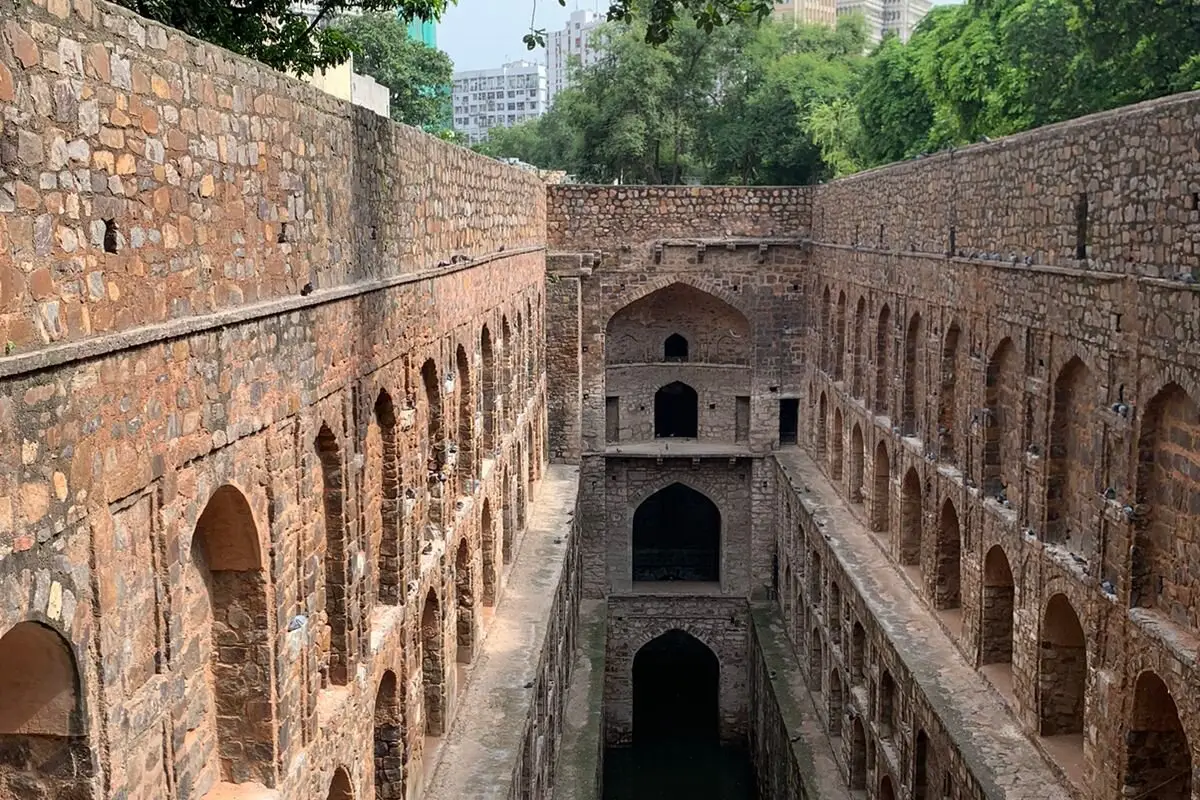
Built during the 14th–15th century and attributed to the legendary King Agrasen, Ugrasen ki Baoli (Agrasen ki Baoli), is one of Delhi’s most atmospheric monuments. Located on Hailey Road near Connaught Place, this stepwell stretches 60 meters in l...
ength and 15 meters in width, descending through 108 stone steps into its depths. Constructed in red sandstone, the Baoli features arched niches and carved stone walls, hallmarks of medieval craftsmanship. It is believed by locals that its waters once held mystical powers, and stories of it being haunted add to its allure. Today, it is a popular spot for history lovers, photographers, and film buffs, having appeared in Bollywood movies like PK.
more info
ength and 15 meters in width, descending through 108 stone steps into its depths. Constructed in red sandstone, the Baoli features arched niches and carved stone walls, hallmarks of medieval craftsmanship. It is believed by locals that its waters once held mystical powers, and stories of it being haunted add to its allure. Today, it is a popular spot for history lovers, photographers, and film buffs, having appeared in Bollywood movies like PK.
Jantar Mantar
Architectural Building, Historic Place
2.0 hours
$3.0
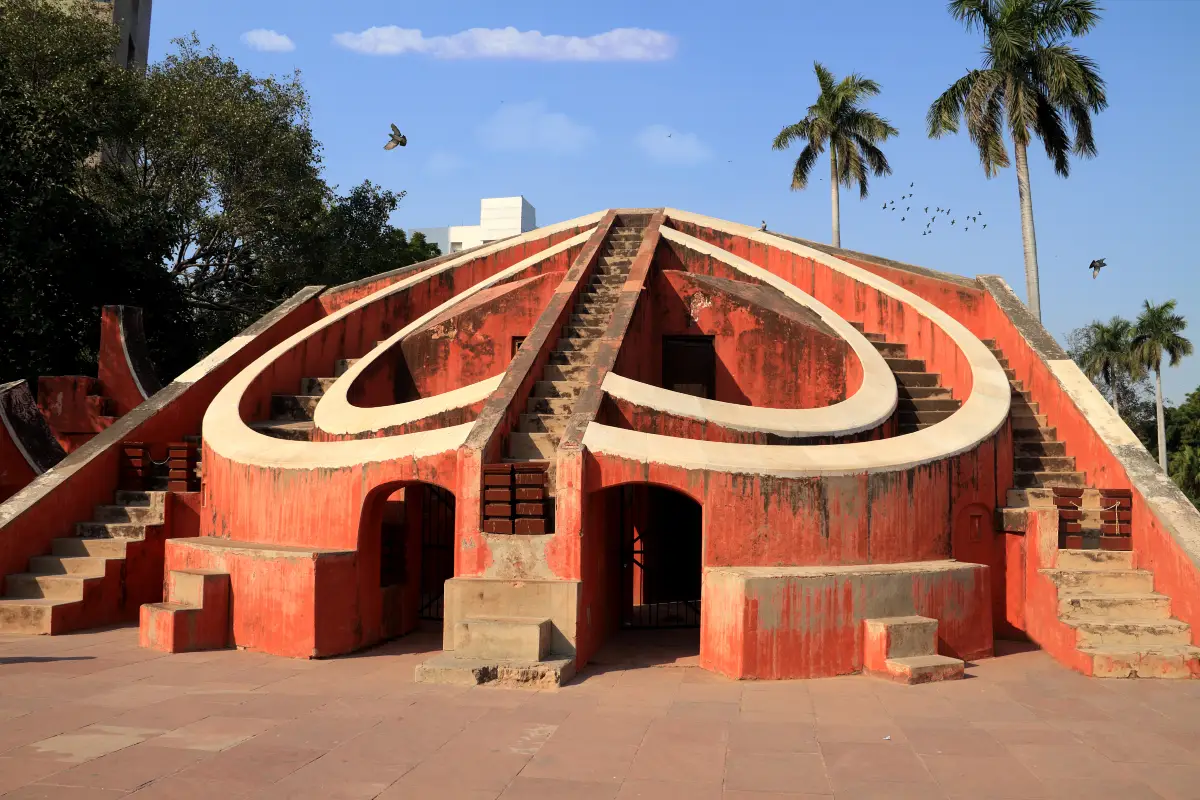
Located on Sansad Marg near Connaught Place, Jantar Mantar in New Delhi is an 18th‑century astronomical observatory built in 1724 by Maharaja Jai Singh II. Designed as an astronomical observatory to measure time, track celestial bodies, and predic...
t eclipses, it is one of the city’s most atmospheric and historically significant landmarks. (Small fees for video can be taken)
more info
t eclipses, it is one of the city’s most atmospheric and historically significant landmarks. (Small fees for video can be taken)
Register Suggestion
Action

Trip plan customization, personalized recommendations, special filters Moods and even more is available for registered users.
Museum of Illusions
Museum

2.0 hours
$7.0
Designed as a playful, mind-bending space where science and art meet, Museum of Illusions in New Delhi is a unique blend of entertainment and education, perfect for families, couples, and groups.
Main Bazaar (Paharganj)
Market

2.0 hours
Main Bazaar is Delhi’s backpacker artery — a kaleidoscope of neon signs, incense smoke, and the chatter of travelers swapping stories over chai. The street is a living postcard: rickshaws weaving through crowds, shopkeepers calling out deals, and ...
stalls spilling over with textiles, trinkets, and leather-bound journals. It’s gritty yet magnetic, a place where every corner feels like a portal to another culture. For families, it’s a sensory adventure; for solo wanderers, it’s a crash course in Delhi’s raw energy.
more info
stalls spilling over with textiles, trinkets, and leather-bound journals. It’s gritty yet magnetic, a place where every corner feels like a portal to another culture. For families, it’s a sensory adventure; for solo wanderers, it’s a crash course in Delhi’s raw energy.
Day 3
Jhandewala Devi Mandir, Karol Bagh
Historic Place, Religious Sight

2.0 hours
Dedicated to Maa Aadi Shakti (an avatar of Goddess Durga), Shri Jhandewala Devi Mandir in Karol Bagh is one of Delhi’s oldest and most atmospheric temples. Built during the 18th century, it is known for its serene courtyards, prayer flags (jhandas...
), and idols of Durga, Kali, and Saraswati, making it a significant spiritual landmark in the city. {Opening hours: Morning Darshan: 5:00 AM – 12:00 PM, Evening Darshan: 4:00 PM – 10:00 PM}
more info
), and idols of Durga, Kali, and Saraswati, making it a significant spiritual landmark in the city. {Opening hours: Morning Darshan: 5:00 AM – 12:00 PM, Evening Darshan: 4:00 PM – 10:00 PM}
Jama Masjid
Historic Place, Religious Sight
2.0 hours
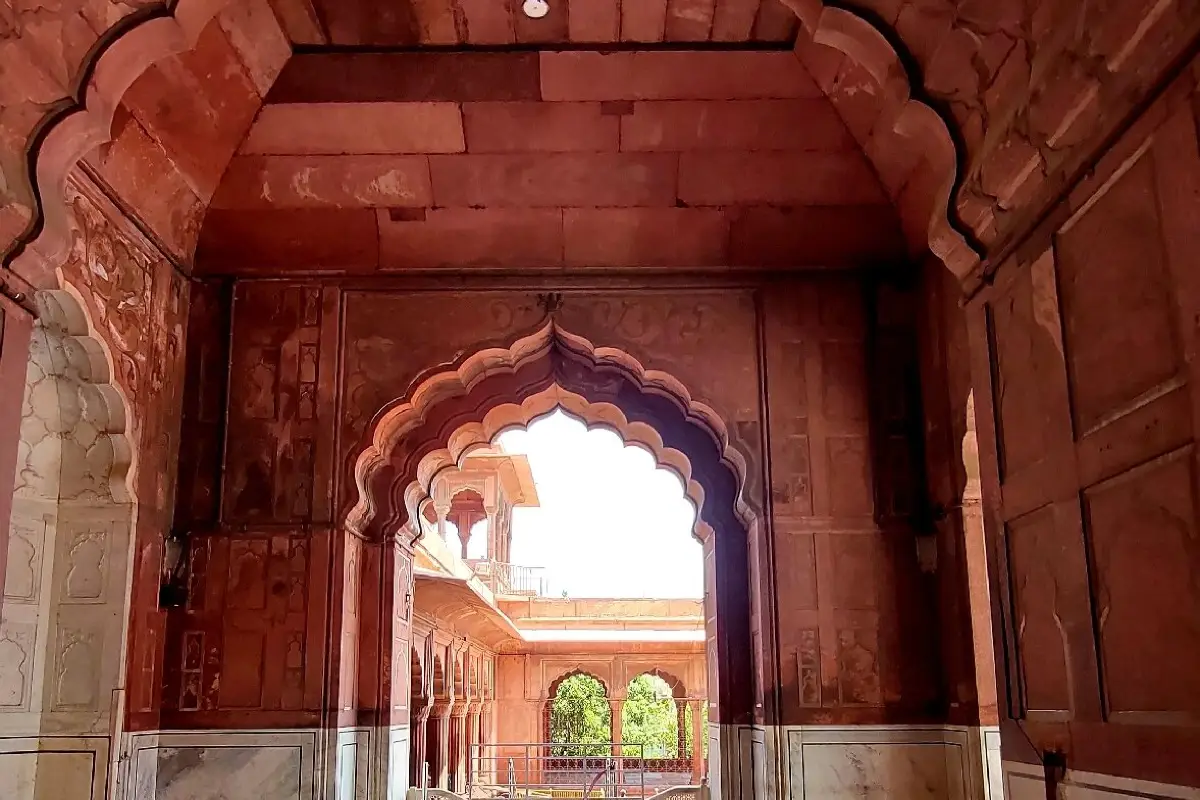
Built by Mughal Emperor Shah Jahan between 1650–1656, Jama Masjid in Old Delhi is India’s largest mosque, accommodating up to 25,000 worshippers and is a masterpiece of Indo-Islamic architecture with red sandstone, marble domes, and towering minar...
ets. It is worth visiting because it is both a spiritual center and a masterpiece of Mughal architecture. {(Daily: 7:00 AM – 12:00 PM, 1:30 PM – 6:30 PM) Closed during prayer times for non-Muslim visitors}
more info
ets. It is worth visiting because it is both a spiritual center and a masterpiece of Mughal architecture. {(Daily: 7:00 AM – 12:00 PM, 1:30 PM – 6:30 PM) Closed during prayer times for non-Muslim visitors}
Red Fort
Historic Place, Monument, Park
2.0 hours
$5.33
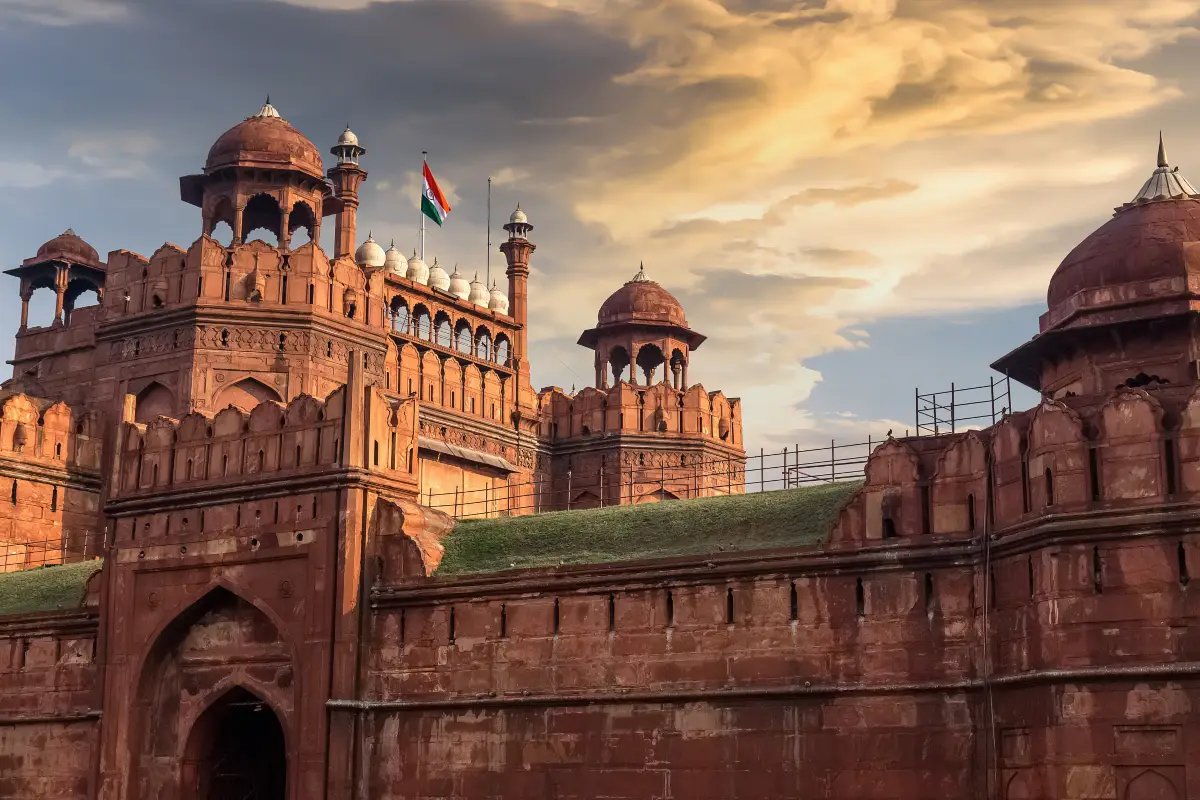
Built by Mughal Emperor Shah Jahan in 1639, The Red Fort (Lal Qila) in Old Delhi is a UNESCO World Heritage Site and one of India’s most iconic monuments. Its role in both Mughal history and modern India makes it a unique blend of past and present...
. (A fee for photos and videos can be taken)
more info
. (A fee for photos and videos can be taken)
Raj Ghat Memorial New Delhi
Historic Place, Monument, Park
2.0 hours
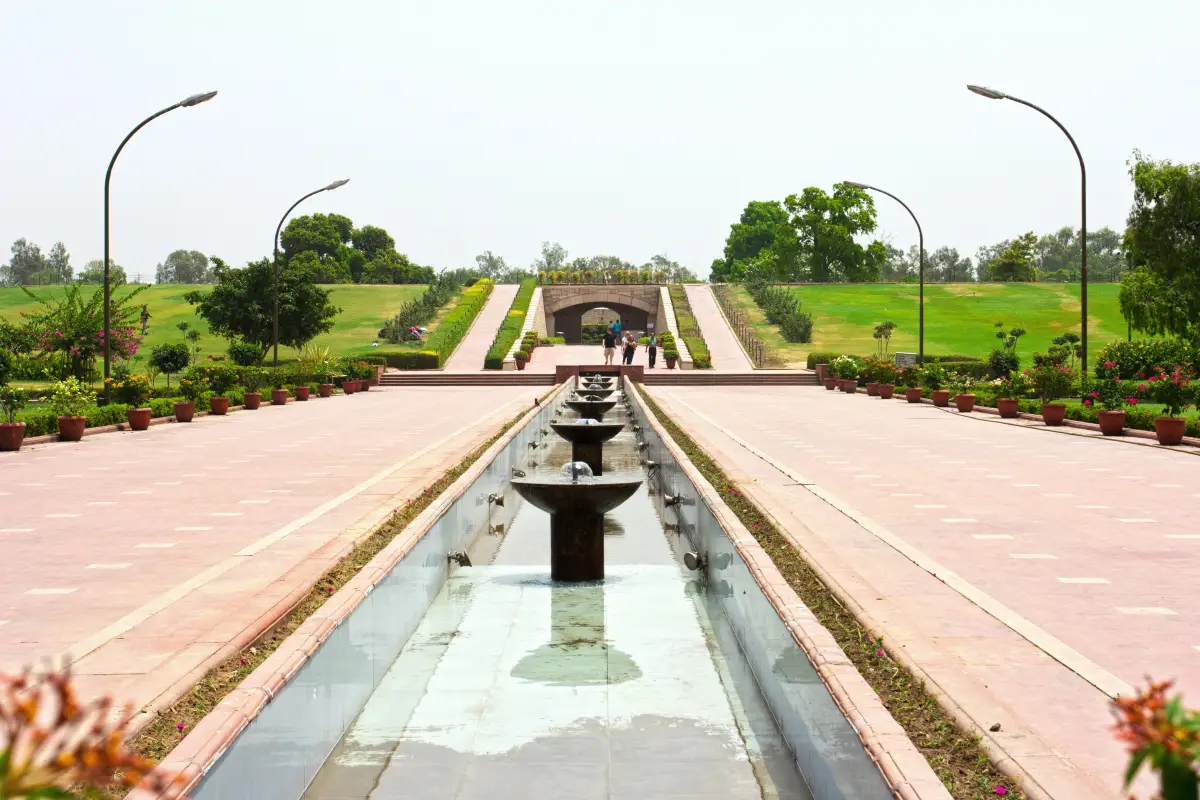
Built in 1948 after Mahatma Gandhi’s assassination and cremation, Raj Ghat Memorial in New Delhi is one of India’s most atmospheric and historically significant sites. Featuring a black marble platform inscribed with Gandhi’s last words “Hey Ram”,...
accompanied by an eternal flame that symbolizes his enduring legacy, its simplicity reflects Gandhi’s philosophy of humility and peace.
more info
accompanied by an eternal flame that symbolizes his enduring legacy, its simplicity reflects Gandhi’s philosophy of humility and peace.
Day 4
Mehmaan khana
Photospot, Tour
4.0 hours
$15.0
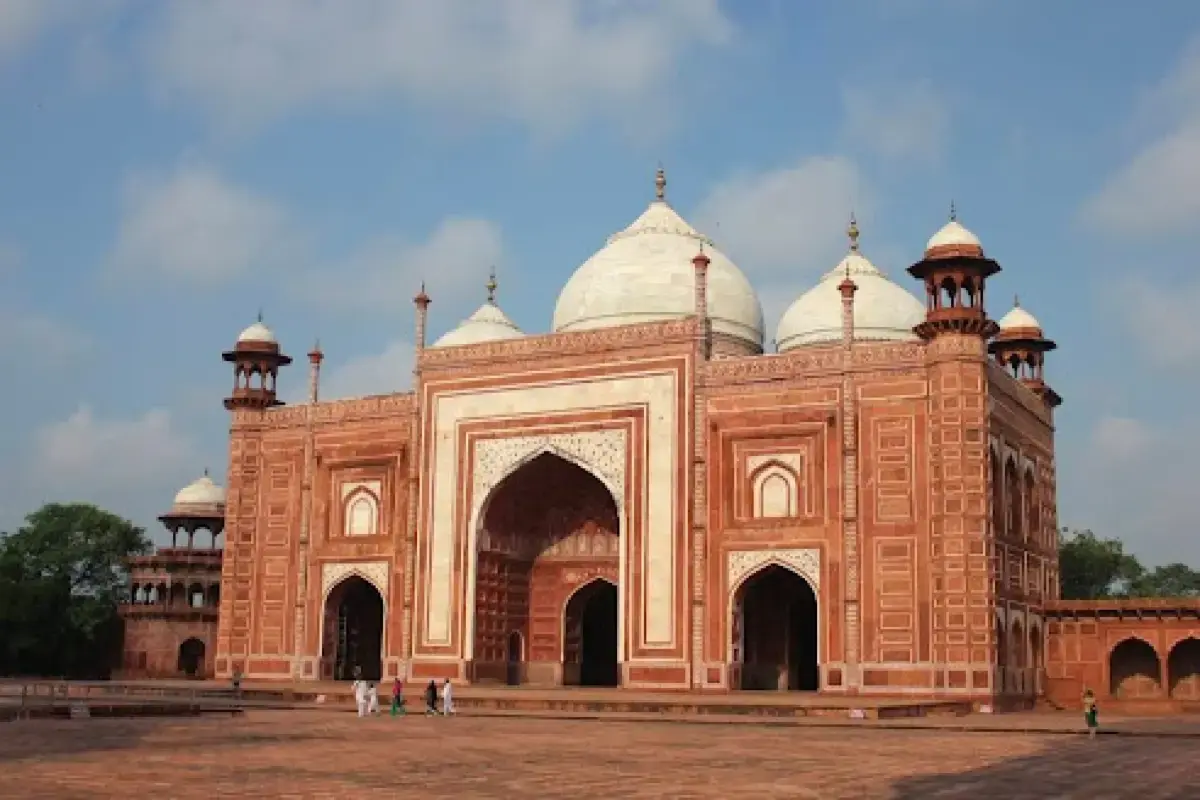
Mehmaan Khana, literally “the guest house,” is a quiet yet significant structure within the Taj Mahal complex. Built by Shah Jahan, it served as a resting place for pilgrims and visitors who came to pay respects at the mausoleum. Unlike the marble...
splendor of the Taj itself, Mehmaan Khana is constructed in red sandstone, its arches and domes echoing Mughal symmetry but with a more restrained elegance. Today, it stands as a reminder that the Taj Mahal was not only a monument of love but also a living site of hospitality, where guests were welcomed into its sacred precincts. Families often pause here to absorb the view, while historians note its role in balancing the architectural ensemble of the Taj.
more info
splendor of the Taj itself, Mehmaan Khana is constructed in red sandstone, its arches and domes echoing Mughal symmetry but with a more restrained elegance. Today, it stands as a reminder that the Taj Mahal was not only a monument of love but also a living site of hospitality, where guests were welcomed into its sacred precincts. Families often pause here to absorb the view, while historians note its role in balancing the architectural ensemble of the Taj.
Day 5
Gurdwara Bangla Sahib
Historic Place, Religious Sight
2.0 hours
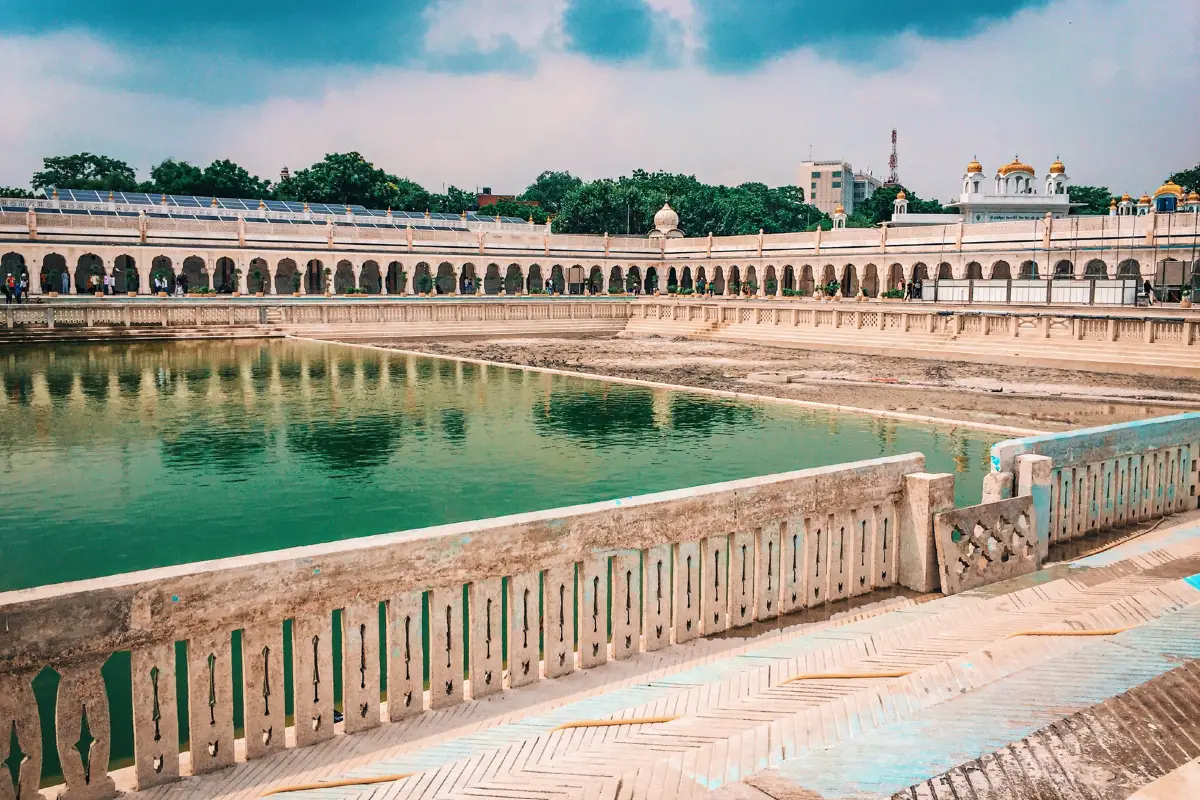
Famous for its golden dome, white marble façade, and the holy Sarovar (pond) within its complex, Gurdwara Bangla Sahib in New Delhi is one of the most prominent Sikh houses of worship, associated with the 8th Sikh Guru, Guru Har Krishan, who staye...
d here in 1664 and served the sick during a smallpox epidemic. It is believed to have healing properties; visitors often take a sip of its water.
more info
d here in 1664 and served the sick during a smallpox epidemic. It is believed to have healing properties; visitors often take a sip of its water.
Amrit Udyan
Fountain, Park
2.0 hours
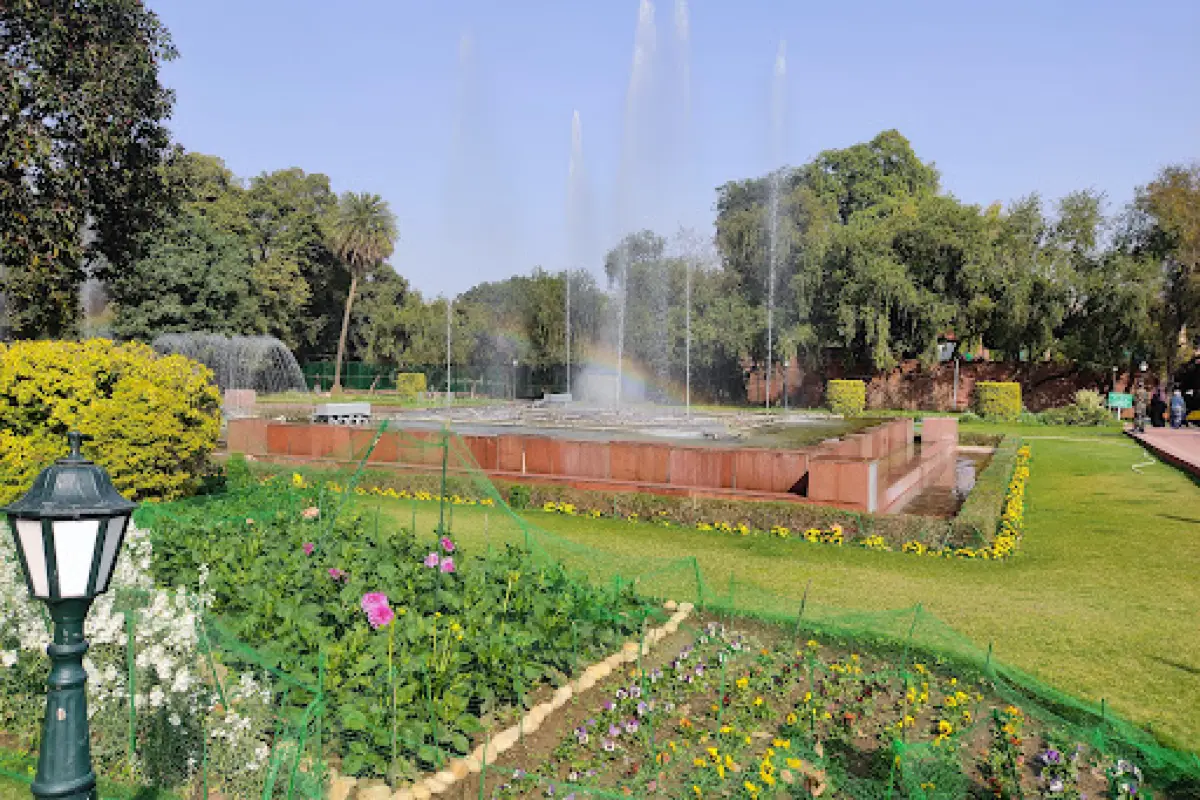
Nestled inside the Rashtrapati Bhavan estate, Amrit Udyan is a sprawling 15-acre garden that blends Mughal, English, and Indian landscaping traditions. Originally designed in 1929 by Sir Edwin Lutyens, the gardens feature lush lawns, fountains, an...
d flowerbeds that burst into color during spring. Recent additions include the Herbal Garden, Bonsai Garden, Tactile Garden, and Arogya Vanam, alongside the new Babbling Brook with sculptural spouts and reflective pools. Families will especially enjoy Bal Vatika, a children’s garden with a 225-year-old Sheesham tree, treehouse, and nature classroom. It’s a serene escape offering both heritage and horticultural marvels. (Seasonal opening: Feb–March). (Free of charge, but online booking is mandatory via Rashtrapati Bhavan’s official website.)
more info
d flowerbeds that burst into color during spring. Recent additions include the Herbal Garden, Bonsai Garden, Tactile Garden, and Arogya Vanam, alongside the new Babbling Brook with sculptural spouts and reflective pools. Families will especially enjoy Bal Vatika, a children’s garden with a 225-year-old Sheesham tree, treehouse, and nature classroom. It’s a serene escape offering both heritage and horticultural marvels. (Seasonal opening: Feb–March). (Free of charge, but online booking is mandatory via Rashtrapati Bhavan’s official website.)
Rashtrapati Bhavan
Historic Place, Monument
2.0 hours
$1.0
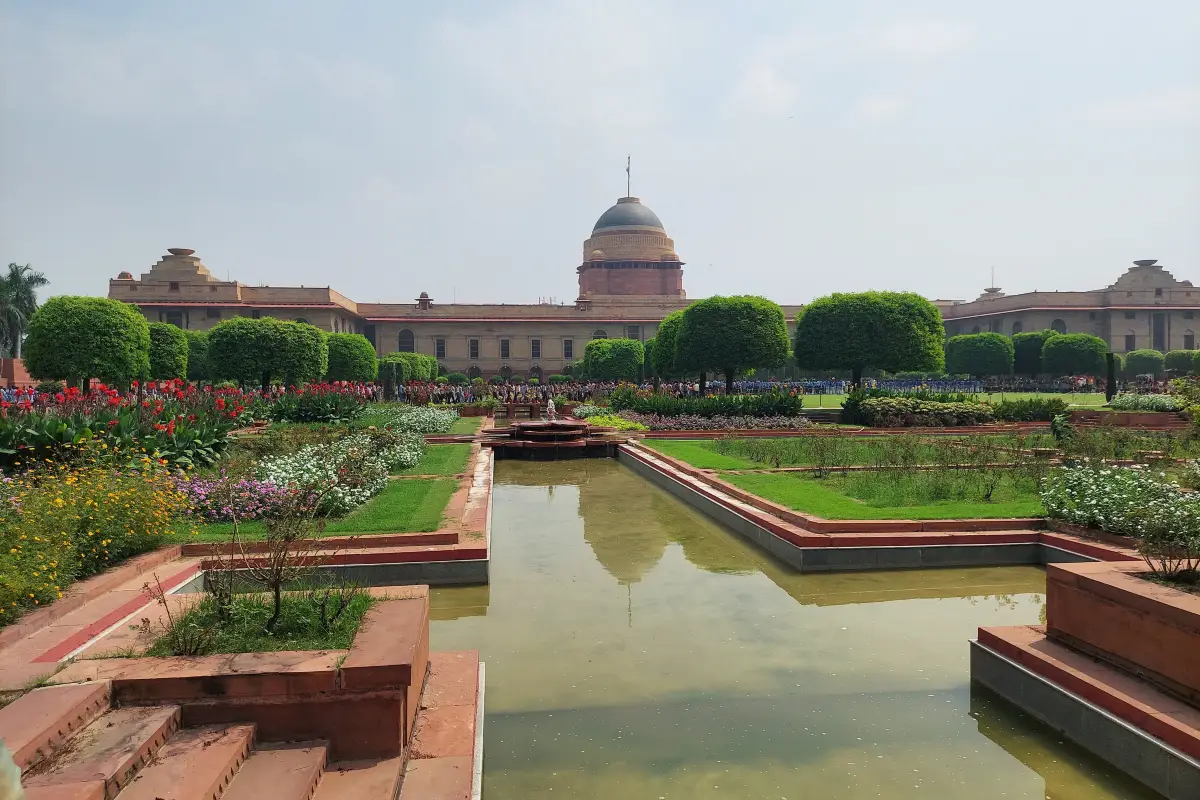
Perched atop Raisina Hill, Rashtrapati Bhavan is more than a presidential residence, it’s a living monument to India’s history and architectural grandeur. Designed by Sir Edwin Lutyens in 1929, its sweeping dome, colonnades, and Mughal-inspired ga...
rdens blend imperial ambition with Indian artistry. Walking through its vast courtyards and manicured lawns, visitors sense both the weight of governance and the elegance of tradition. The Amrit Udyan (formerly Mughal Gardens) bursts into seasonal bloom, while the museum circuits reveal treasures of India’s democratic journey. It’s a place where power, heritage, and beauty converge.
more info
rdens blend imperial ambition with Indian artistry. Walking through its vast courtyards and manicured lawns, visitors sense both the weight of governance and the elegance of tradition. The Amrit Udyan (formerly Mughal Gardens) bursts into seasonal bloom, while the museum circuits reveal treasures of India’s democratic journey. It’s a place where power, heritage, and beauty converge.
India Gate
Historic Place, Monument
1.0 hours
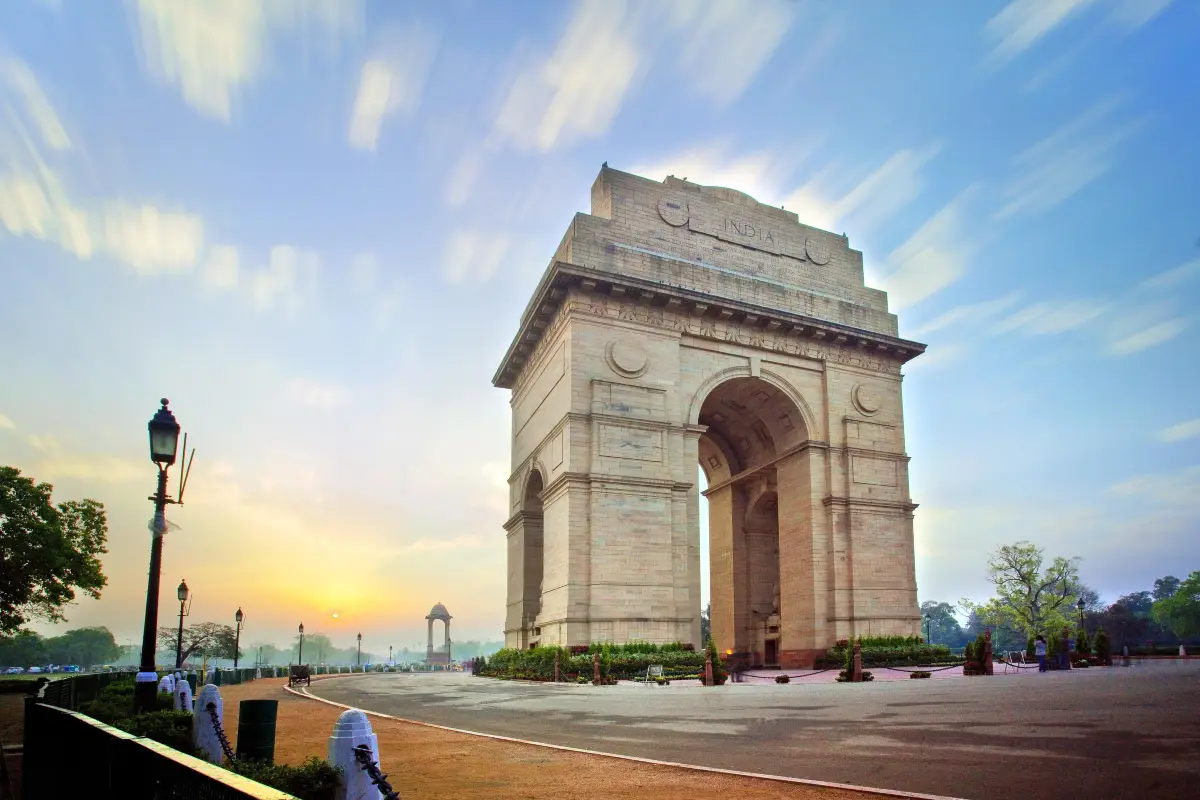
Built in 1931 to honor over 74,000 soldiers of the Indian Army who died during World War I and the Third Anglo-Afghan War, India Gate in New Delhi is a 42-meter-high war memorial surrounded by lively gardens, making it a cultural, historical, and ...
family-friendly destination.
more info
family-friendly destination.
Day 6
National Science Centre
Museum

2.0 hours
$1.0
Bathed in the glow of curiosity, the National Science Centre rises as a fortress of knowledge on Bhairon Marg, overlooking Purana Qila. Its sleek, multi-level design gleams under the Delhi sun, inviting visitors into a world where science meets im...
agination. Inside, rockets, dinosaurs, and interactive galleries spark wonder, while exhibits on human biology, space exploration, and India’s heritage weave together past, present, and future. More than a museum, it is a living laboratory of ideas, a place where children, families, and scholars alike find renewal in the pursuit of discovery.
more info
agination. Inside, rockets, dinosaurs, and interactive galleries spark wonder, while exhibits on human biology, space exploration, and India’s heritage weave together past, present, and future. More than a museum, it is a living laboratory of ideas, a place where children, families, and scholars alike find renewal in the pursuit of discovery.
Shanti Stupa New Delhi
Religious Sight

2.0 hours
The Shanti Stupa feels like a serene island of calm in the middle of Delhi’s bustle. Built as part of the Nipponzan Myohoji Buddhist order’s global peace pagoda initiative, its white dome rises above landscaped gardens, symbolizing harmony and non...
‑violence. Visitors often describe the atmosphere as meditative — a place where silence, greenery, and the stupa’s gleaming structure combine to create a spiritual pause.
more info
‑violence. Visitors often describe the atmosphere as meditative — a place where silence, greenery, and the stupa’s gleaming structure combine to create a spiritual pause.
Indraprastha Park
Fountain, Park
2.0 hours
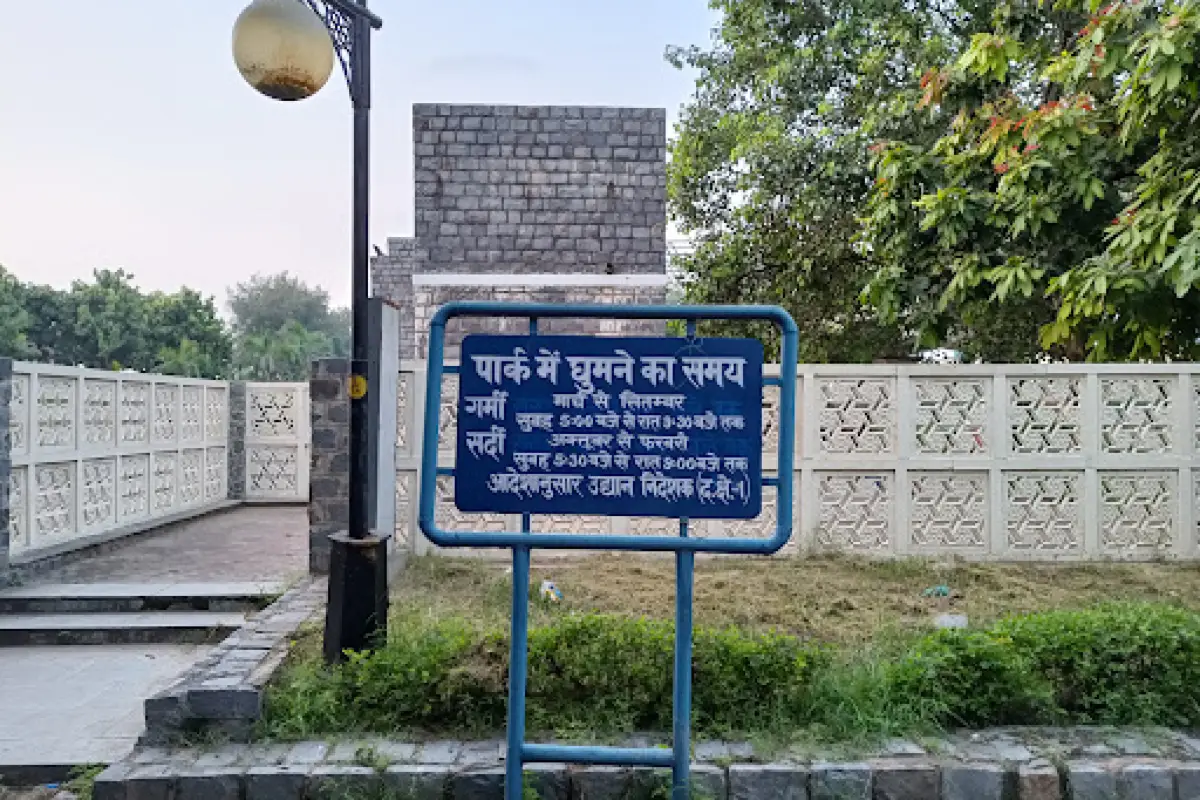
Indraprastha Park feels like Delhi’s green lung — a vast expanse where the city’s chaos fades into birdsong and open skies. Built in 2004 on reclaimed land, the park’s wide lawns, shaded pathways, and fountains create a refreshing retreat. Familie...
s spread picnic blankets under trees, children race along the jogging tracks, and couples find quiet corners near the landscaped gardens. Unlike the historic monuments of Delhi, this park offers a living, breathing escape — a place where the atmosphere is defined by leisure and community rather than stone and history.
more info
s spread picnic blankets under trees, children race along the jogging tracks, and couples find quiet corners near the landscaped gardens. Unlike the historic monuments of Delhi, this park offers a living, breathing escape — a place where the atmosphere is defined by leisure and community rather than stone and history.
Humayun’s Tomb
Historic Place, Monument
2.0 hours
$7.0
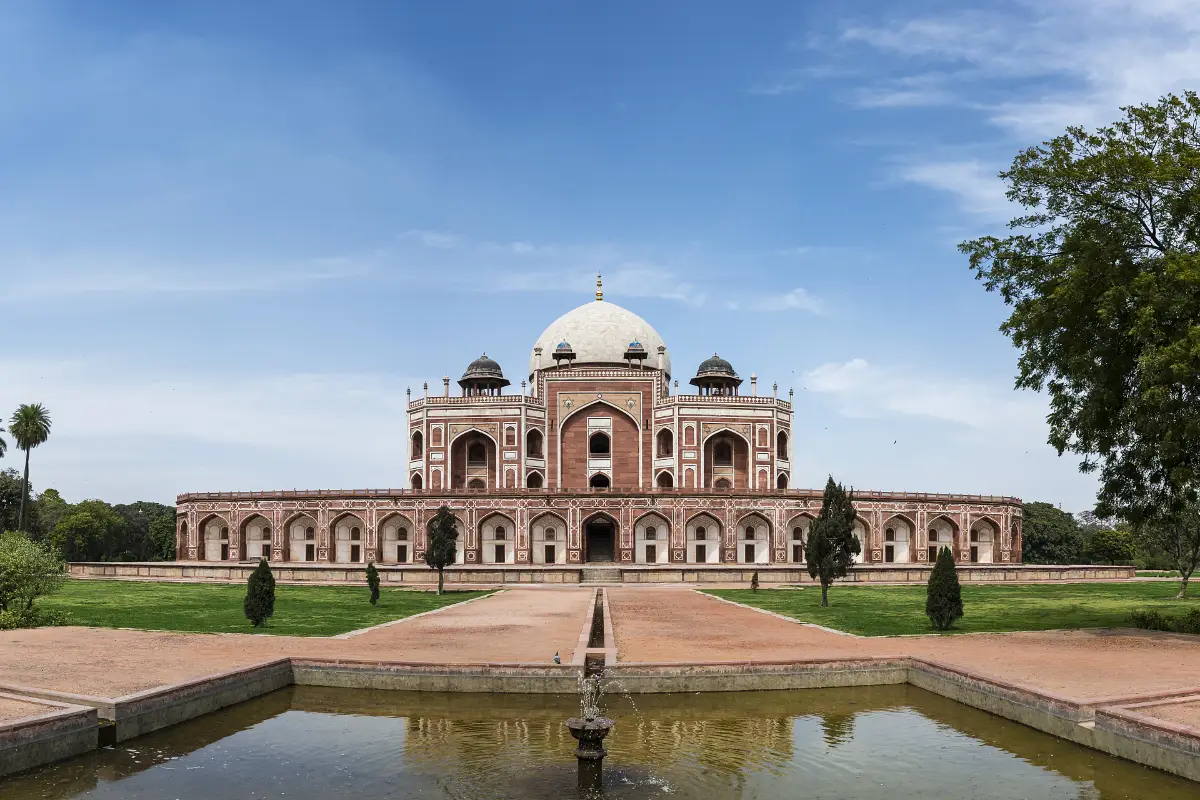
Often called the “precursor to the Taj Mahal” because of its pioneering garden-tomb design, Humayun’s Tomb is one of Delhi’s most iconic Mughal monuments, built in 1565 by Empress Bega Begum (Humayun’s widow). It was the first grand Mughal tomb in...
India and set the template for later masterpieces. Visiting it offers both a historical journey and a peaceful retreat in the heart of Delhi. (A small fee can be taken for video.)
more info
India and set the template for later masterpieces. Visiting it offers both a historical journey and a peaceful retreat in the heart of Delhi. (A small fee can be taken for video.)
Day 7
Lodhi Garden
Park
2.0 hours
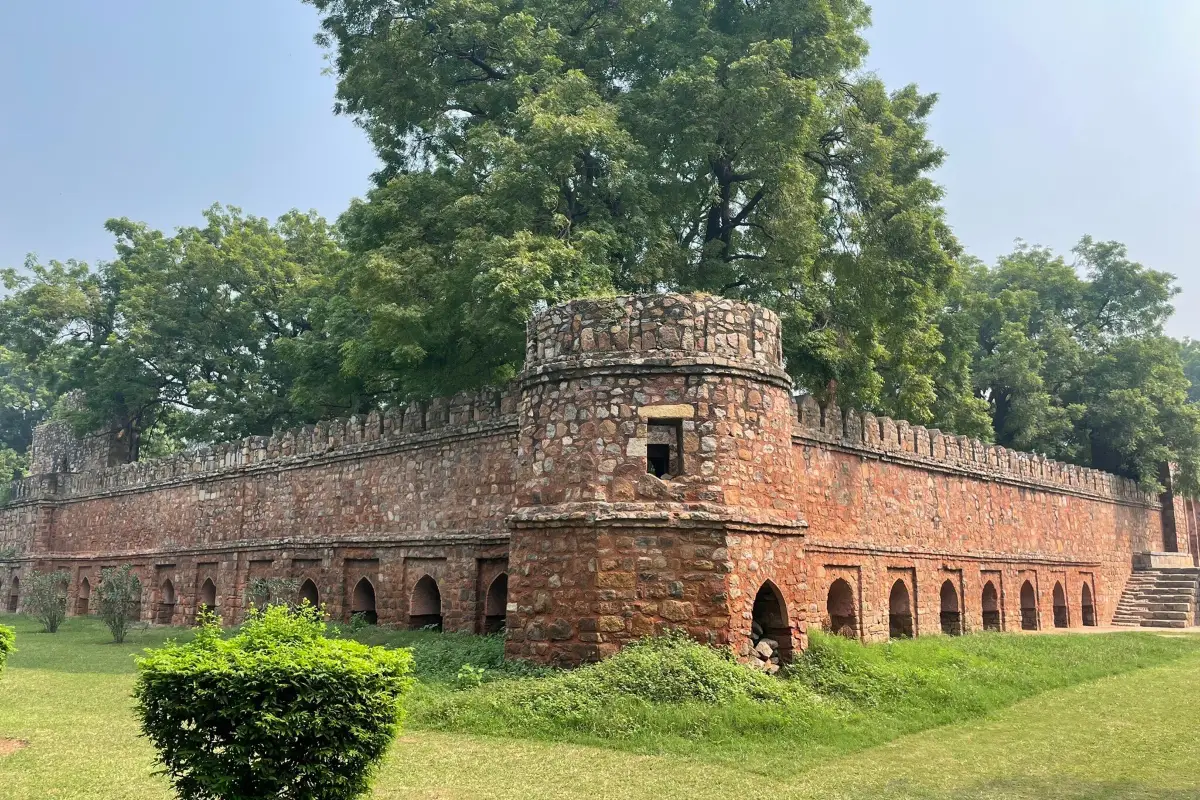
Featuring 90 acres of greenery and 15th–16th century tombs, Lodhi Garden in New Delhi is one of the most popular spots for morning walks, picnics, and family outings, ideal for combining relaxation with history.
Safdarjung Tomb
Historic Place, Monument, Park
2.0 hours
$4.0
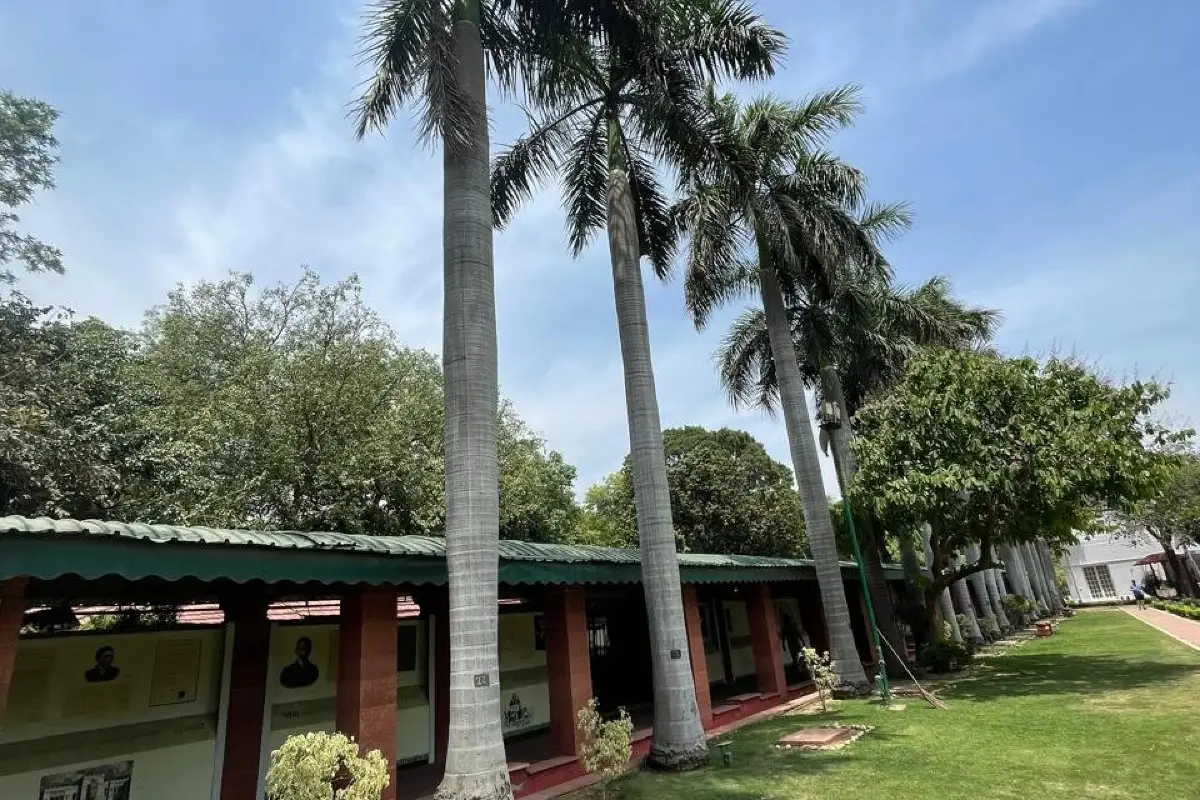
Safdarjung Tomb, built in 1753–54 by Nawab Shuja‑ud‑Daulah for his father Safdarjung (the viceroy of Awadh under Mughal Emperor Mohammed Shah), is considered the last monumental garden tomb of the Mughals. Its design follows the tradition of Humay...
un’s Tomb but on a smaller scale. The mausoleum is constructed with red sandstone and marble, featuring a large central dome, arched entrances, and symmetrical Mughal gardens.
more info
un’s Tomb but on a smaller scale. The mausoleum is constructed with red sandstone and marble, featuring a large central dome, arched entrances, and symmetrical Mughal gardens.
Nehru Park New Delhi
Park
2.0 hours
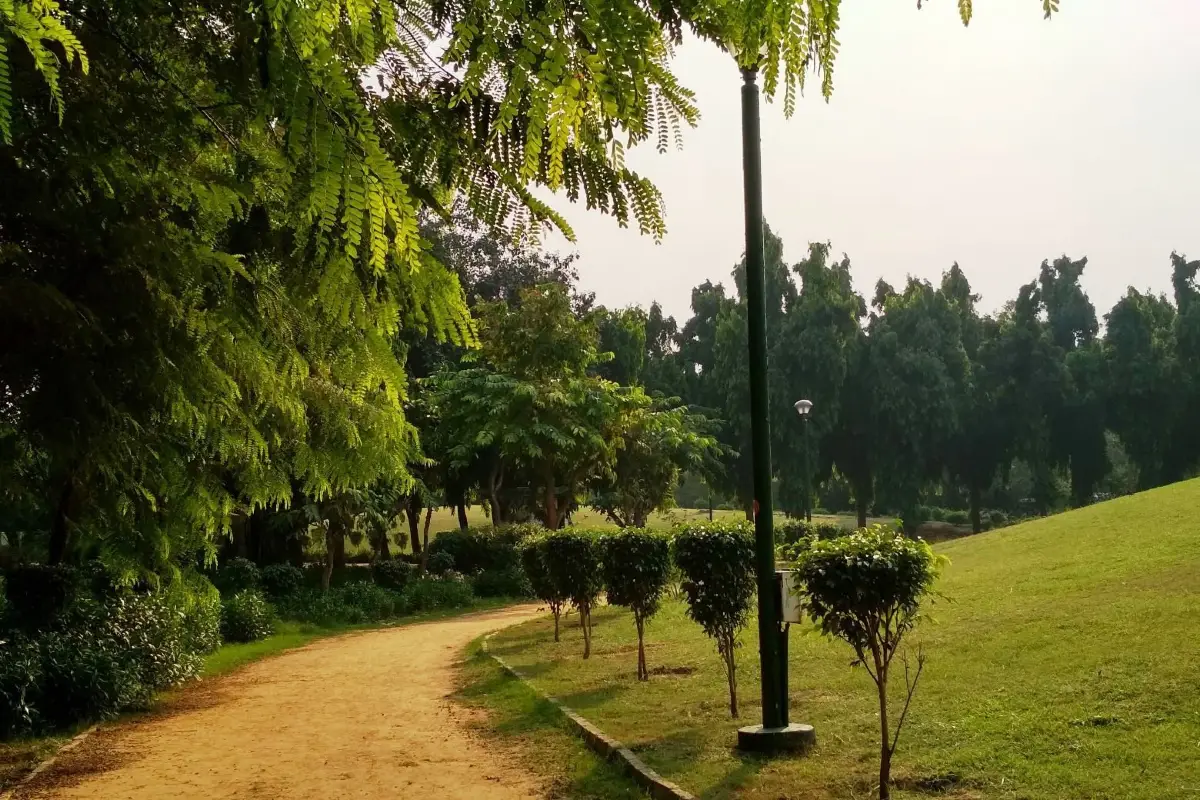
Located in the diplomatic enclave of Chanakyapuri, Nehru Park is a sprawling garden named after India’s first Prime Minister, Jawaharlal Nehru. Established in 1969, it has become a cultural hub and a green oasis in the city. The park features wide...
lawns, flower beds, water fountains, and walking tracks, making it ideal for morning jogs, yoga sessions, and family picnics.
more info
lawns, flower beds, water fountains, and walking tracks, making it ideal for morning jogs, yoga sessions, and family picnics.
The Chanakya
Market, Neighborhood

3.0 hours
Nestled in the Diplomatic Enclave of Chanakyapuri, The Chanakya is more than a mall — it’s an indulgent lifestyle hub. With over 176 stores, it brings together international luxury brands like Hermès, Chanel, and Brunello Cucinelli alongside fine ...
dining and a plush movie theatre. The atmosphere is refined yet welcoming, with concierge services, hands-free shopping, and curated experiences that make it feel like a blend of art gallery and boutique boulevard. Families enjoy the cinema and dining options, while fashion enthusiasts revel in the exclusive collections. Unlike Delhi’s bustling bazaars, The Chanakya offers a calm, upscale environment tailored for luxury seekers.
more info
dining and a plush movie theatre. The atmosphere is refined yet welcoming, with concierge services, hands-free shopping, and curated experiences that make it feel like a blend of art gallery and boutique boulevard. Families enjoy the cinema and dining options, while fashion enthusiasts revel in the exclusive collections. Unlike Delhi’s bustling bazaars, The Chanakya offers a calm, upscale environment tailored for luxury seekers.
1/1
To customize the circuit, you need an account.
