Sikandar Lodhi Tomb
Historic Place
Visit length
2.0h
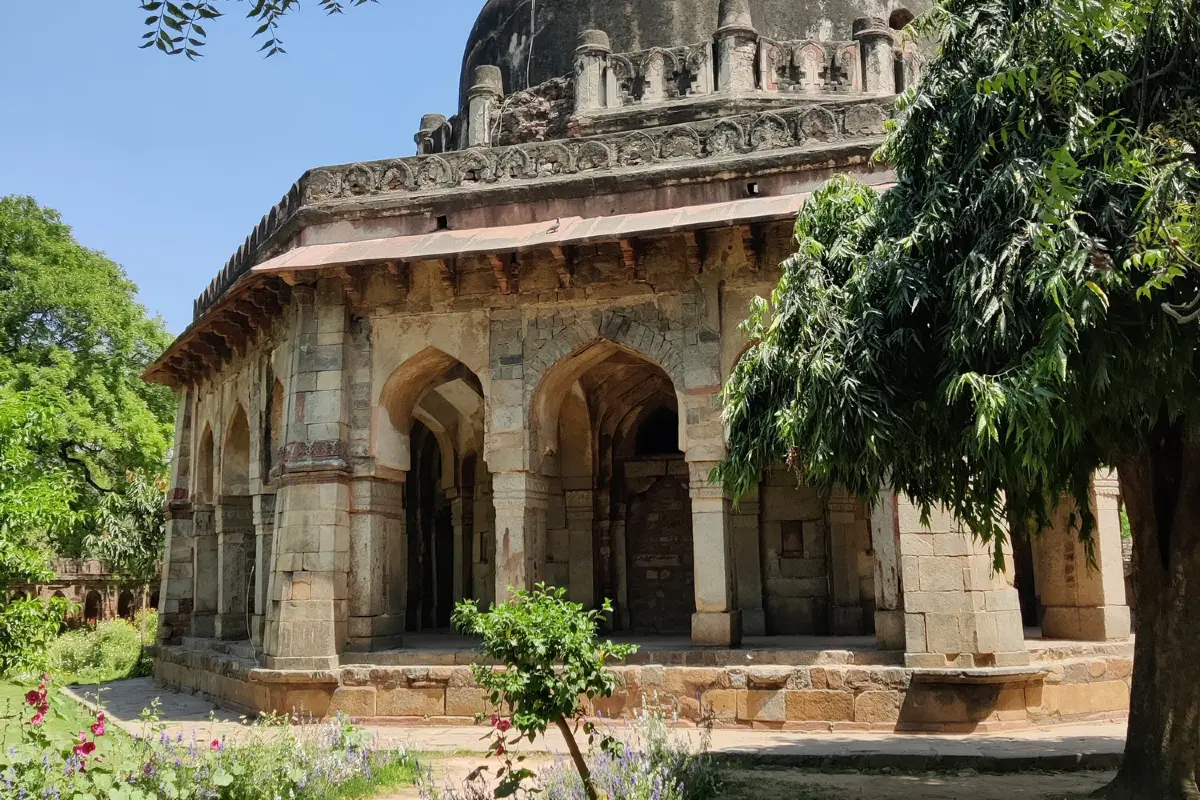
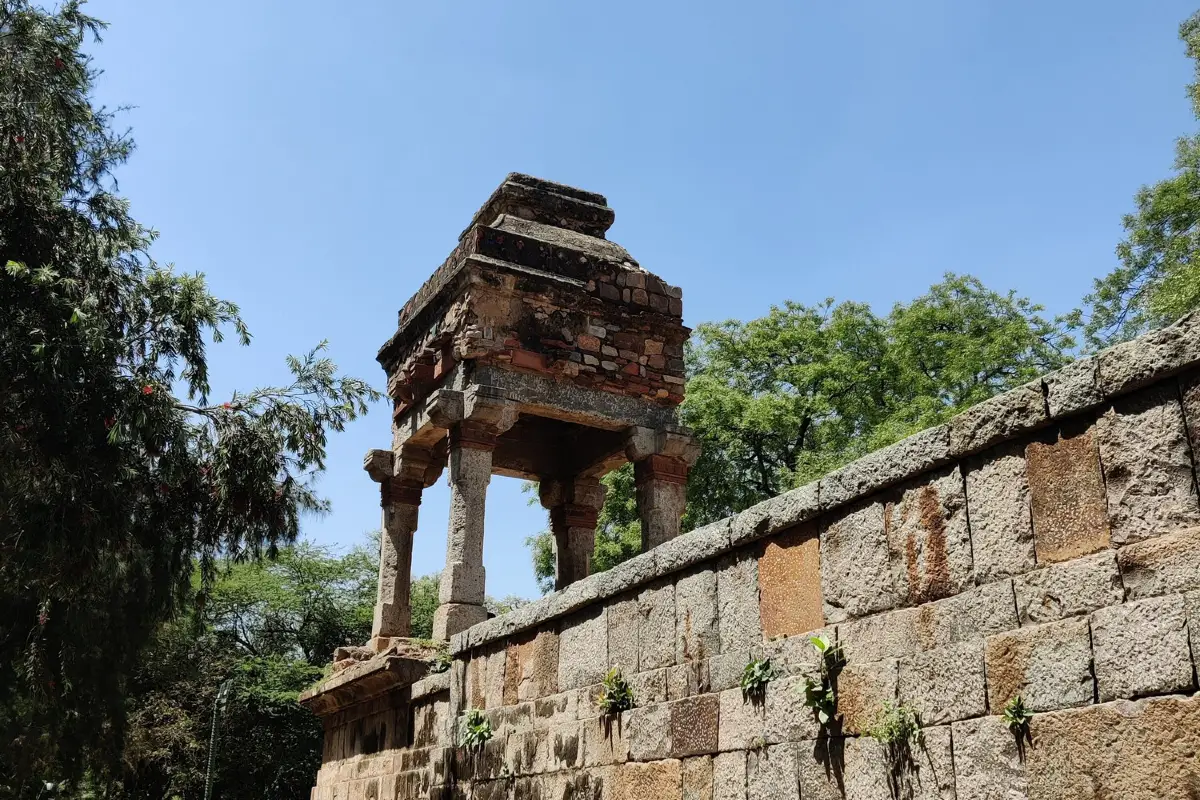
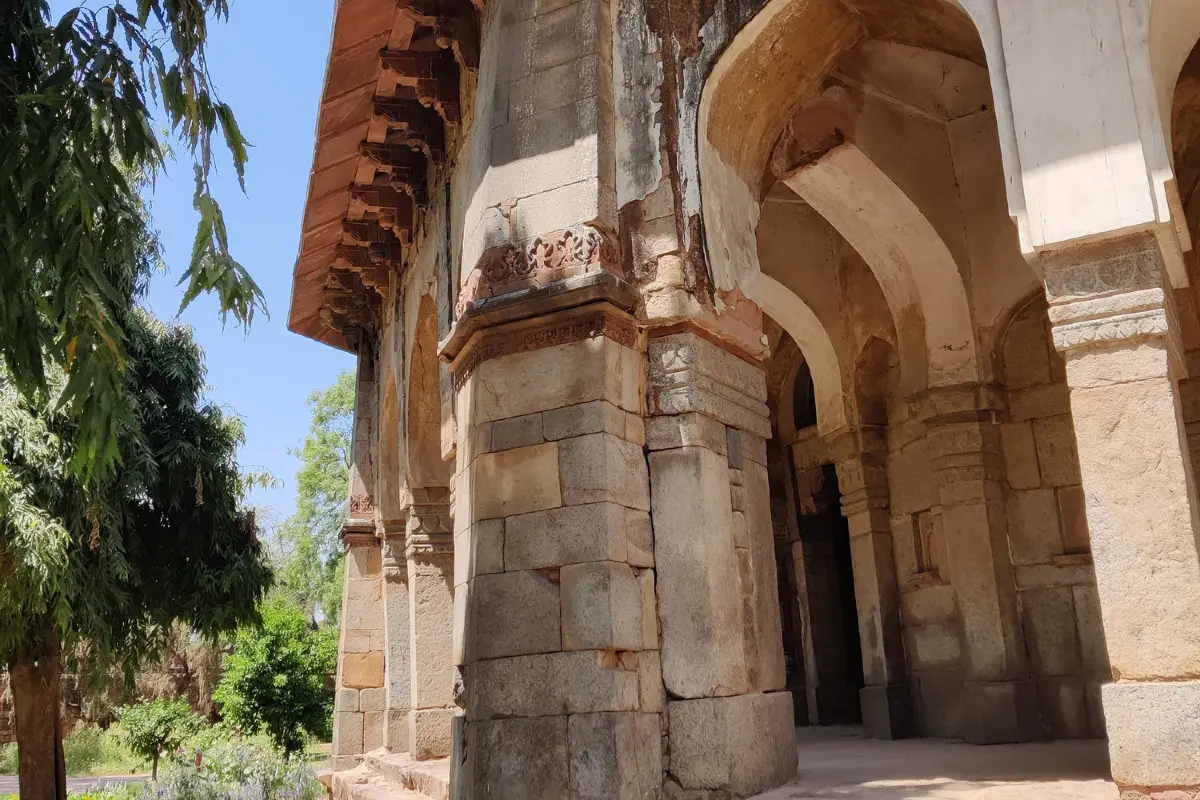
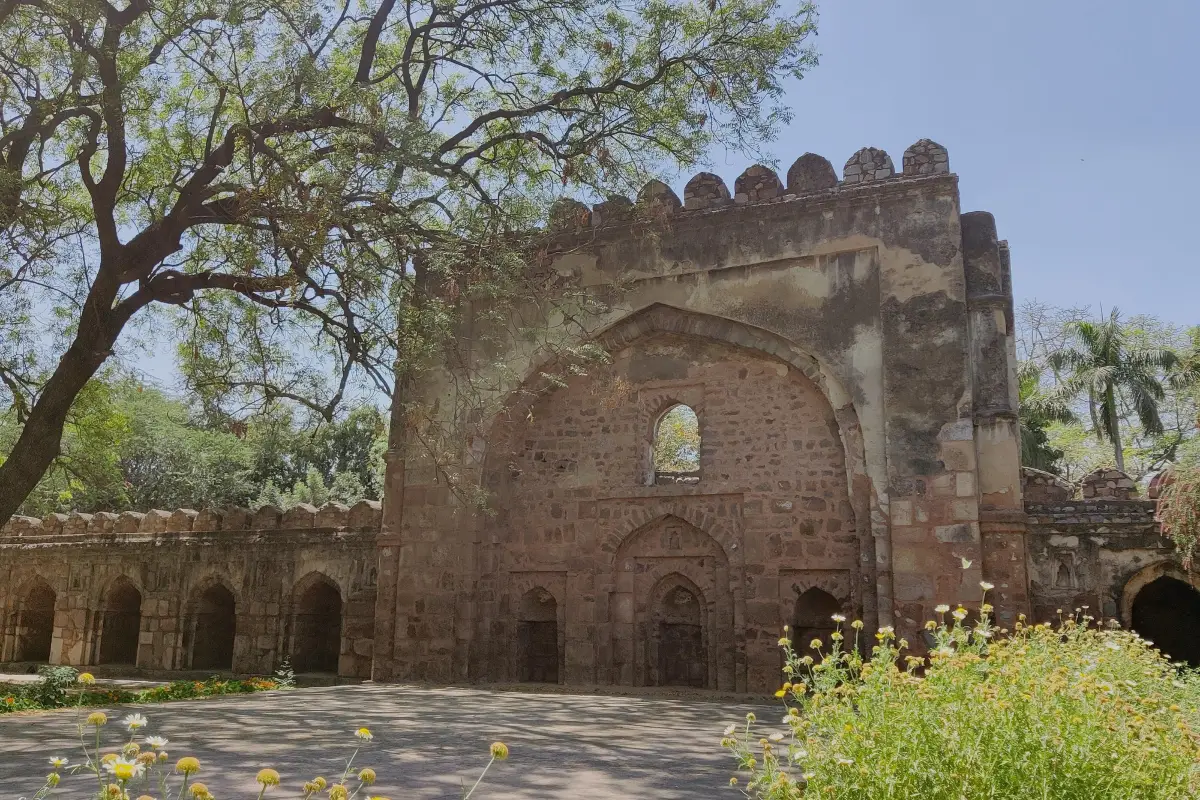
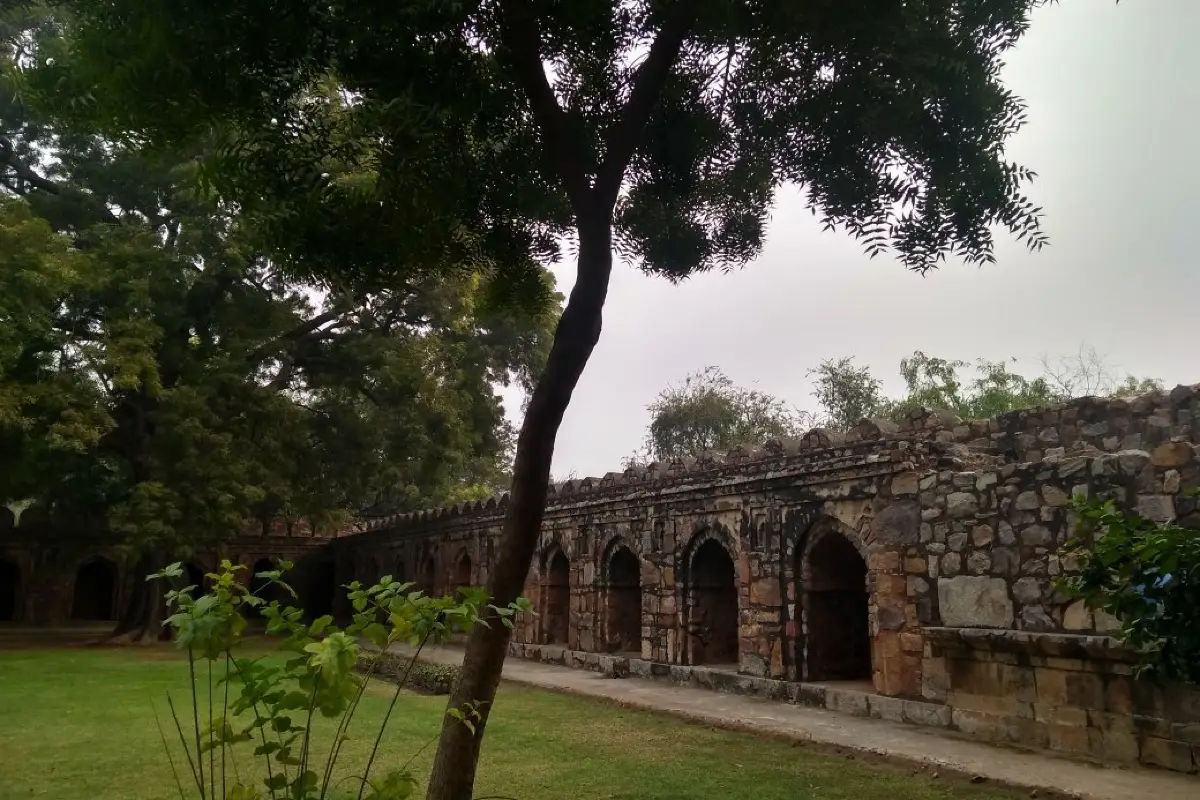
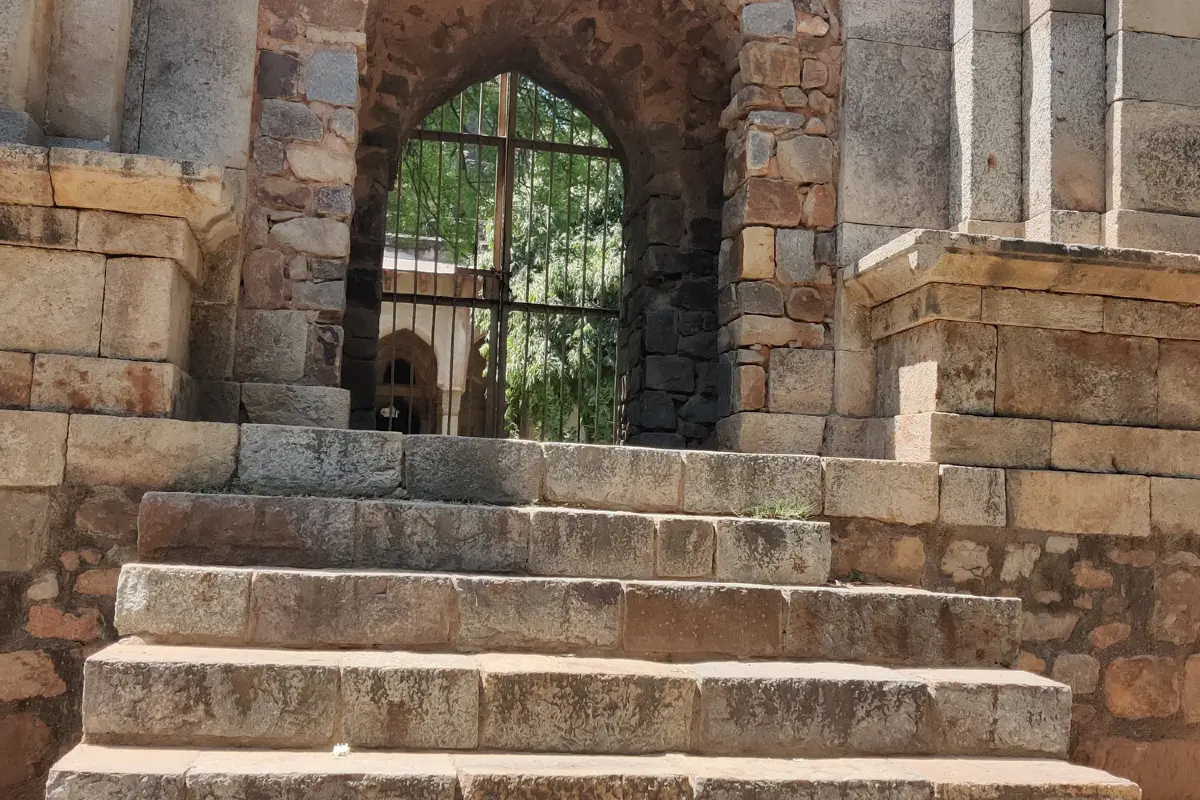
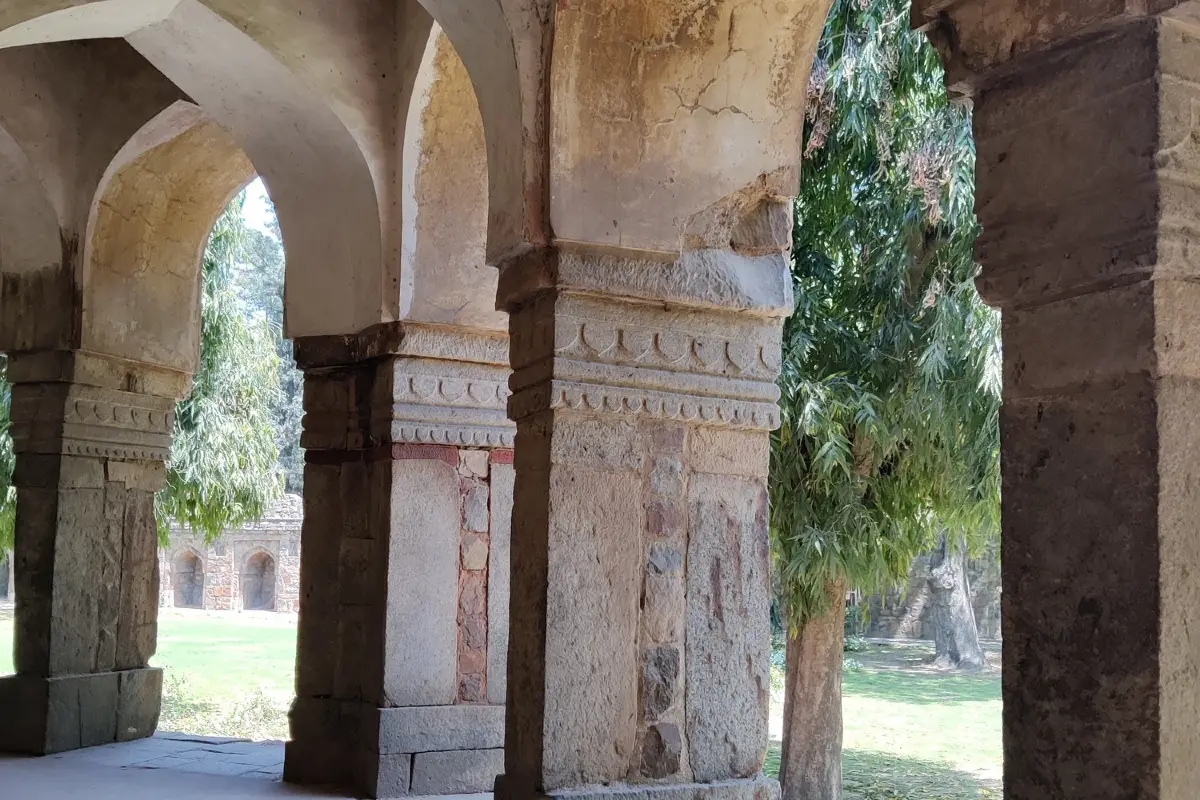
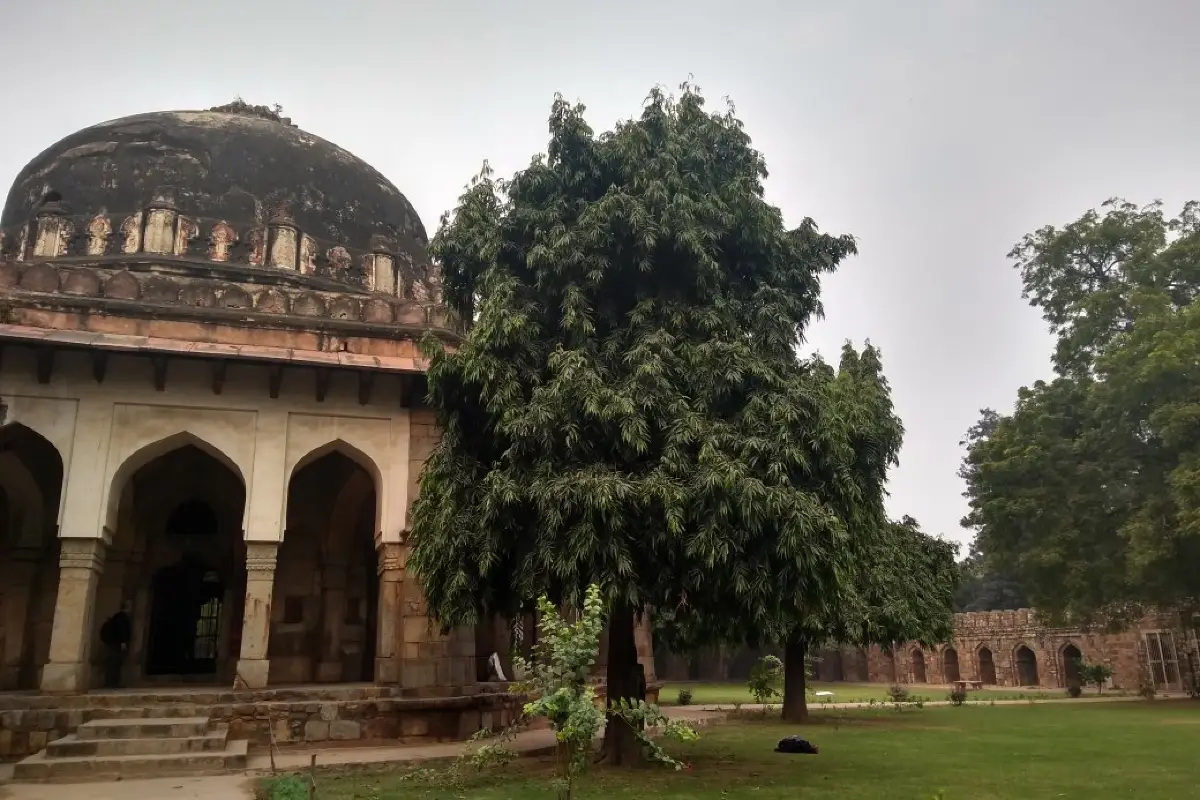
Sikandar Lodhi’s Tomb is not just a burial site but a quiet architectural statement of the Lodi dynasty. Built in 1517, it is the first garden tomb in India, predating Humayun’s Tomb and setting the stage for Mughal funerary architecture. The tomb sits within a square enclosure, its walls punctuated by arched gateways and decorated with glazed tiles in blue and turquoise — rare remnants of early Indo-Islamic artistry. Inside, the central chamber resonates with simplicity, reflecting the austere character of Sultan Sikandar Lodhi. Unlike the grandeur of later Mughal monuments, this tomb feels contemplative, almost understated, yet profoundly significant as a bridge between Delhi’s Sultanate past and Mughal future.
 Quiet rest
 Learn new
Photos
Contacts and Location
Mon
06:00 AM - 7:00 PM
06:00 AM - 7:00 PM
Tue
06:00 AM - 7:00 PM
06:00 AM - 7:00 PM
Wed
06:00 AM - 7:00 PM
06:00 AM - 7:00 PM
Thu
06:00 AM - 7:00 PM
06:00 AM - 7:00 PM
Fri
06:00 AM - 7:00 PM
06:00 AM - 7:00 PM
Sat
06:00 AM - 7:00 PM
06:00 AM - 7:00 PM
Sun
06:00 AM - 7:00 PM
06:00 AM - 7:00 PM


Not provided


H6WC GJ7, Lodhi Gardens, Lodhi Estate, New Delhi, Delhi 110003, India
Map